Warning: Cannot modify header information - headers already sent in /home/u278635817/domains/mymorninglife.com/public_html/wp-content/plugins/artigosgpt/artigosgpt.php on line 29509
Warning: Cannot modify header information - headers already sent in /home/u278635817/domains/mymorninglife.com/public_html/wp-content/plugins/artigosgpt/artigosgpt.php on line 29509
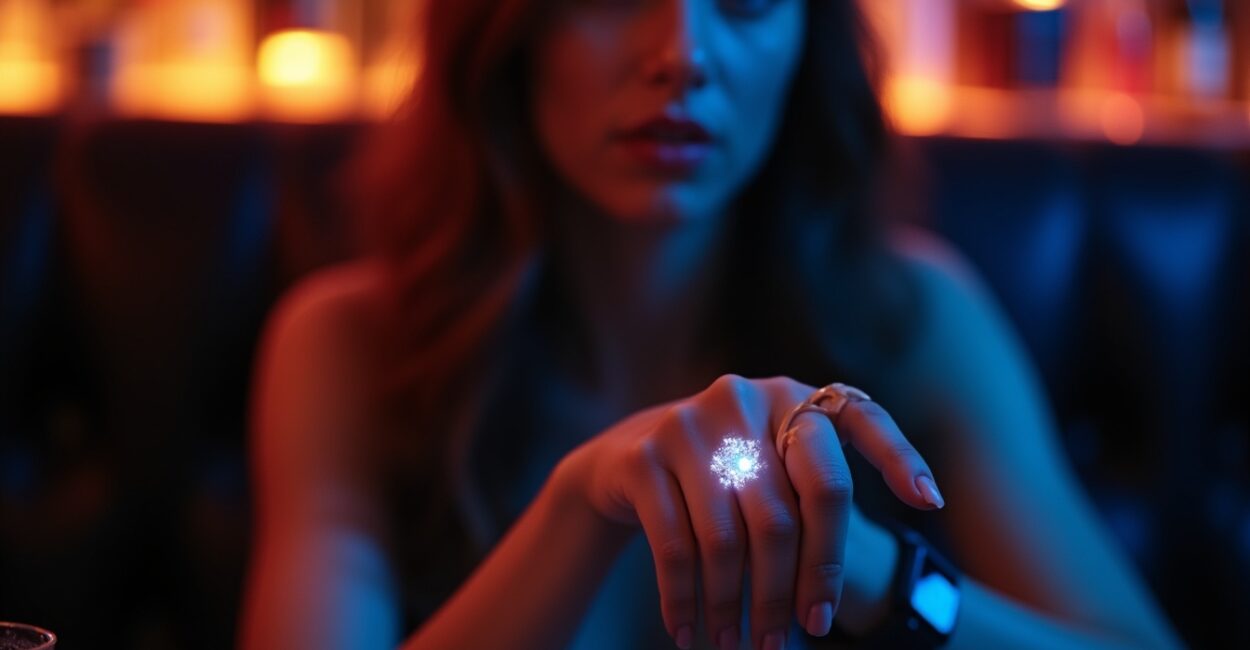
The clip shows a satin ring glowing under club lights while a creator whispers, “It tells me when I’m about to snap.” That moment—stress rings flashed like jewelry and life-hacks—kicked off a tidal wave. These tiny smart rings claim to track stress all day, and influencers turned them into a lifestyle prop. But does a ring on your finger actually read stress better than the smartwatch on your wrist? Let’s cut through the hype: stress rings are stylish, smart, and seductive—but their real-world value is messier than the feed suggests.
The Viral Moment That Made Stress Rings a Must-have
Influencers didn’t just show a product; they sold a lifestyle: calm mornings, focused work sessions, better sleep. Within weeks, the hashtag blew up and sales spiked. The ring became shorthand for “I care about my mental health”—and that’s powerful marketing. Behind that power is a simple human truth: we trust visual cues. A ring glints in selfies; a wristband disappears under sleeves. That visibility explains part of the craze more than any clinical evidence.
The Mechanism Nobody Explains Clearly
Most stress rings use photoplethysmography (PPG) to read pulse and pulse variability, then infer stress through algorithms. They don’t measure “stress” directly—there’s no cortisol meter tucked into that band of metal. Instead, they translate heart rate patterns into estimates: breathing irregularities, sympathetic activation signals, sleep disruptions. The translation depends entirely on software quality and the context of use—moving, drinking coffee, or anxiety can all skew readings.

Expectation Vs. Reality: A Surprising Comparison
Expectation: a discreet ring that outperforms the wristwatch in accuracy. Reality: mixed results. In controlled conditions some rings match wrist PPG accuracy; in daily life, finger position and motion cause artifacts. Comparison surprise: wrist wearables often win on raw sensor stability, while rings win on consistent contact and social acceptance.
- Wristwearables: better for continuous monitoring during varied activity.
- Rings: better for sleep tracking and for people who dislike wrist devices.
- Both: algorithms matter more than hardware for stress estimation.
What People Get Wrong About Stress-tracking Rings
There are common mistakes buyers make that turn curiosity into disappointment. Don’t assume a ring will diagnose anxiety disorders or replace therapy. Other errors include expecting real-time emergency alerts, ignoring calibration needs, or wearing the ring too loosely. Avoid these pitfalls and you get useful trends; ignore them and you get noise.
- Buying for diagnosis, not tracking trends.
- Wearing wrong size or on dominant-hand finger during workouts.
- Trusting a single night’s data as a definitive signal.
Real-world Effectiveness: Studies and Expert Takes
Academic work shows varied outcomes. Some peer-reviewed trials find correlations between ring-derived HRV and stress markers, while others show little predictive power outside lab settings. For context, peer-reviewed summaries highlight that algorithms trained on controlled datasets often fail in messy daily life. And public health outlets, like the CDC, emphasize validated screening tools for clinical decisions rather than consumer devices.
A Mini-story That Reveals the Device’s Limits
She wore the ring for two months and loved the haptic nudges prompting deep breaths. Then, during a frantic commute, the ring vibrated constantly—coffee-fueled heart spikes and shoulder tension triggered alerts every five minutes. After a week she ignored it. The ring helped her build awareness but couldn’t filter situational noise—so it morphed from coach into nag. That shift from helpful to annoying is common and tells you how context shapes value.
Should You Buy One? A Practical Decision Guide
If you want wearable tech that nudges habits and you’re sensitive to style, a stress ring is worth trying. If you need clinical-grade stress metrics for treatment decisions, stick with validated devices and professional assessment. Consider these quick checks before buying:
- Ask about algorithm transparency and update policies.
- Check battery life and comfort for 24/7 wear.
- Compare return policies—comfort and fit matter most.
And remember: the best tool is one you’ll use consistently. A trendy ring in a drawer does nothing for sleep or anxiety—consistent small changes do.
For deeper reading on physiological markers and wearable validation, see conclusions in academic reviews and public health guidance, including analyses hosted on CDC pages and peer-reviewed repositories.
Influencer reels sparked curiosity; the data decides value. Stress rings are not magic, but they can be honest mirrors—if you know how to read them.
Do Stress Rings Accurately Measure My Anxiety?
Stress rings estimate stress through heart rate and variability patterns, not by measuring anxiety itself. They can flag arousal or changes in autonomic tone but cannot diagnose anxiety disorders. Use them as trend indicators: if you see consistent spikes that match how you feel, that’s useful feedback. However, if you need a clinical interpretation—such as diagnosing generalized anxiety or tailoring treatment—consult a mental health professional who uses validated assessments and clinical judgment rather than consumer wearables alone.
Are Stress Rings Better Than Smartwatches for Tracking Stress?
Neither is categorically better; each has strengths. Rings often provide stable contact for sleep tracking and are socially subtle, while smartwatches offer larger sensors and more contextual data like movement and GPS. Accuracy depends on sensor quality, firmware, and the algorithm interpreting the signals. For many users, a wrist device offers broader features; for those prioritizing comfort and discrete wear, a ring may be preferable. Consider your daily activities and which form factor you’ll wear consistently before choosing.
Can a Stress Ring Replace Therapy or Medical Advice?
No. Stress rings are self-tracking tools that can support awareness and behavior change but are not substitutes for therapy or medical diagnosis. They may prompt helpful conversations with clinicians by providing longitudinal data, yet they lack the clinical context and validated thresholds necessary for treatment decisions. If the device highlights concerning patterns—like persistent high arousal, disrupted sleep, or functional impairment—seek professional evaluation rather than relying on the ring’s suggestions alone.
How Should I Interpret Sudden Spikes or Constant Alerts?
Sudden spikes often reflect transient factors: caffeine, exercise, temperature changes, or brief anxiety episodes. Constant alerts usually signal either persistent activation (stress, illness, or poor sleep) or sensor/artifact issues like a loose fit or excessive motion. First, check fit and device placement. Then compare alerts with your routine: were you exercising, dehydrated, or in a tense meeting? Use the ring to spot patterns over days and weeks—not to react to every isolated beep.
What Are the Privacy and Data Concerns with Stress-tracking Rings?
Wearables collect sensitive physiological data that can reveal mental health trends; thus, privacy practices matter. Check the manufacturer’s data policy: how long they store data, who can access it, and whether they share with third parties. Also verify security measures like encryption. If a company monetizes health insights or partners with advertisers, your data might be used beyond your intent. Prefer vendors with clear, user-friendly privacy controls and options to export or delete your information.