Warning: Cannot modify header information - headers already sent in /home/u278635817/domains/mymorninglife.com/public_html/wp-content/plugins/artigosgpt/artigosgpt.php on line 29509
Warning: Cannot modify header information - headers already sent in /home/u278635817/domains/mymorninglife.com/public_html/wp-content/plugins/artigosgpt/artigosgpt.php on line 29509
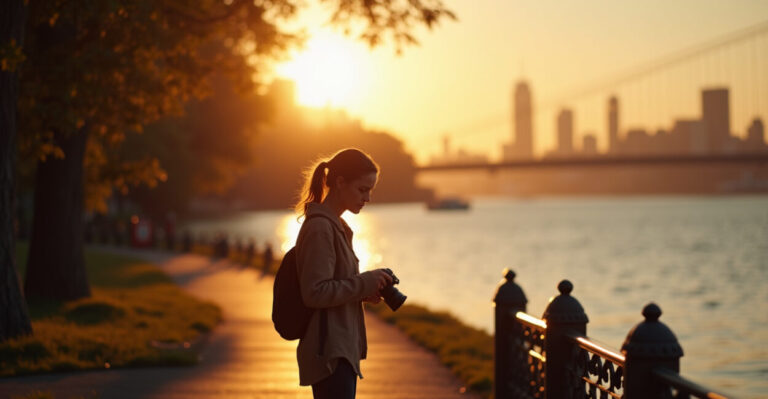
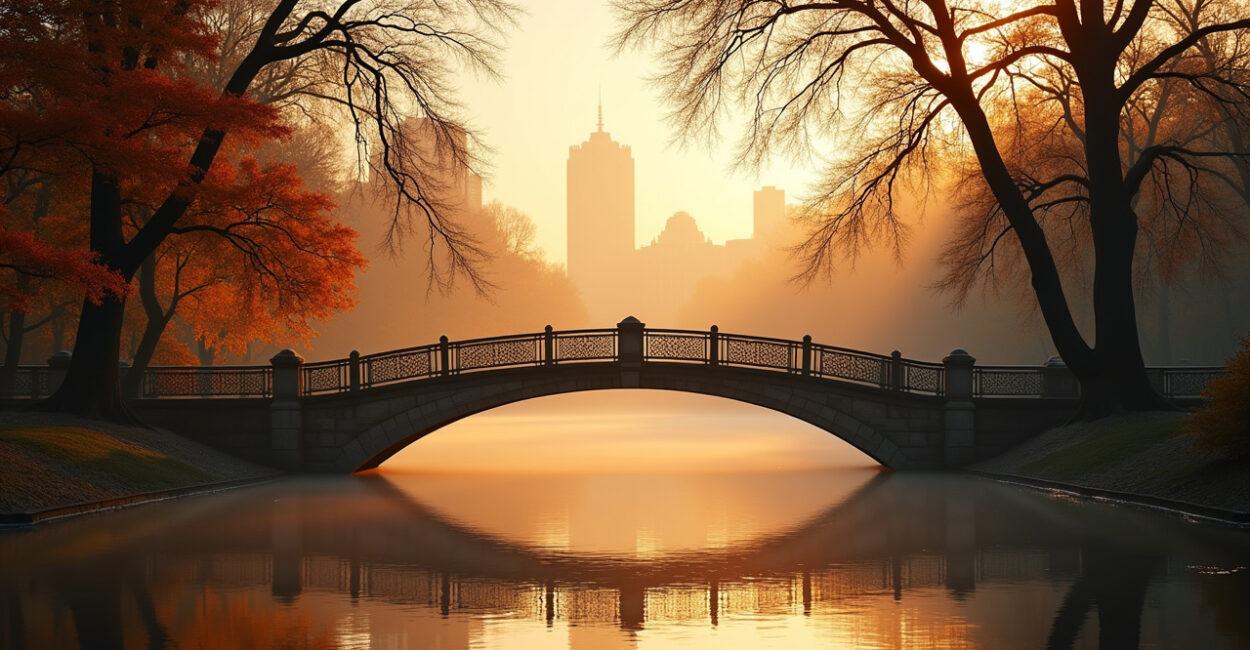
You’re scrolling, distracted, and then a frame stops you: a skyline peeking through autumn oaks, or a bridge mirrored perfectly in still water. Those are the Central Park views that make people tap, save, and plan a detour. In the next few minutes I’ll walk you through nine exact vantage points locals and photographers swear by — when to go, how to frame them, and the sneaky angles that turn a cliché into a signature shot.
The Bow Bridge at Sunrise — The Skyline That Feels Like a Postcard
Bow Bridge is the spot where city and nature stage a quiet handshake. Go at dawn to catch the skyline backlit and the water glass-smooth. Frame low: place the bridge’s arch in the lower third and let the skyline sit above it. Use a 35–50mm lens or crop in later; too wide makes the scene lose intimacy. For drama, wait for a thin mist over the water — it softens skyscrapers and turns the bridge into a silhouette.
The Gapstow Lookout — Manhattan’s Skyscrapers Framed by Winter Branches
Gapstow looks like Manhattan sneaking into a forest clearing. Late winter is ideal: trees are bare and the skyline pops. Stand near the southeast edge and shoot through branch forks for a natural frame. Try a longer lens to compress buildings and foreground; it makes the city feel closer and the pond larger. Bring a polarizer to deepen reflections and remove glare from the water on sunny days.

The Mall and Literary Walk — Symmetrical Beauty with Seasonal Mood Swings
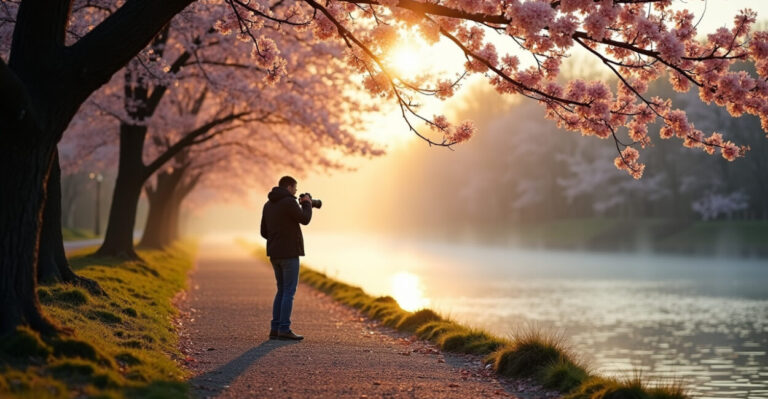
The Mall gives you symmetry that photographers love and tourists admire. Visit in fall for amber corridors, or in spring when elms form a leafy tunnel. Get low and center the path for a vanishing-point shot. If people are part of your story, place them off-center to keep the symmetry but add life. Avoid midday harsh light — early morning or golden hour yields even exposure and color.
Belvedere Castle Terrace — An Aerial Feel Without Leaving the Park
From Belvedere’s terrace you get a mini-aerial view without climbing a rooftop. It’s perfect for layered compositions: trees, the lake, and the city beyond. Use foreground elements — a flagstone or bench — to give depth. For wide panoramas, stitch multiple vertical frames; the castle’s slightly higher vantage point helps stitching align cleanly. Expect crowds mid-afternoon; aim for weekday mornings or late blue hour.
Conservatory Water and Model Boat Pier — Reflections and Playful Foregrounds
Small scenes with big personality live around Conservatory Water. The model boat pond rewards close-ups: low angles, tight crops of reflections, and little boat silhouettes. Try a shallow depth of field to isolate a single mast against a blurred skyline. Also, scan for quirky foregrounds — a colorful sail, a child’s hand — which turn a pretty view into a memorable moment.
Hallett Nature Sanctuary Edge — The Hidden Cliff That Feels Remote
Hallett’s southern edge is a secret for those who want a raw, seaside vibe in the middle of Manhattan. The rocky outcrops and quieter paths make for dramatic foreground textures. Shoot late afternoon for side light that brings out rock grain. This spot teaches a useful comparison: expectation vs. reality — you expect manicured lawns; reality is craggy, textured, and cinematic. Respect closed signs and stick to public paths.
The Pond, Wollman Rink View, and Turtle Pond — Nine Scenes That Work Together
These three spots are a masterclass in variety within two blocks. The Pond gives moody reflections and tree tunnels; Wollman Rink adds a seasonal activity layer, especially at dusk with lights on; Turtle Pond offers quiet water and wildlife details. Together they cover nine distinct looks: Bow Bridge, Gapstow, The Mall, Belvedere, Conservatory Water, the model boat pier, Hallett edge, The Pond, and Turtle Pond. Mistakes to avoid: shooting from eye level (try low), overusing HDR (keep it natural), and ignoring foregrounds (they make depth).
Quick practical notes: check the NYC Parks site for seasonal closures and hours, and the New York Public Library and other archives if you want historical reference shots to compare change over time. NYC Parks and New York Public Library have reliable info on access and history that can inform your timing and framing.
Mini-story: I once waited 90 minutes on a chilly winter morning near Gapstow. A jogger, a dog, and a shaft of sun aligned for 12 seconds. That single frame blew up on a travel feed and sent three strangers asking where to go next. Timing and patience beat gear a lot of the time.
Small table of gear basics (if you care):
| Shot | Lens | Tip |
|---|---|---|
| Bridge & skyline | 35–50mm | Low angle, early light |
| Compressed skyline | 85–200mm | Shot from Gapstow, tight crop |
| Path symmetry | 24–35mm | Center path, low tripod |
One blunt tip: avoid only shooting from Google Maps angles. Walk, crouch, wait. The best Central Park views are the ones you invent by moving a few feet left or right.
Closing Provocation: Which View Will Define Your Next New York Memory?
Central Park views are everywhere and nowhere — they come alive when you commit to one spot and wait for light or life. Pick a place, keep your camera ready, and let the park surprise you. The city will show up; your job is to notice how.
When is the Best Time of Day to Shoot Central Park Views?
The best time depends on the mood you want. For soft light and reflections, aim for sunrise or the first two hours after. Golden hour gives warm tones and long shadows great for The Mall and Bow Bridge. Blue hour is perfect for city lights around Wollman Rink and Belvedere. Midday can work for overcast days — clouds act like a giant softbox. Weekday mornings beat weekends for fewer people and cleaner frames.
How Do I Avoid Tourist-filled Shots at Popular Spots?
Beat the crowd with timing and positioning. Arrive 30–60 minutes before sunrise on weekdays for near-empty paths. Use tight crops to exclude crowds and favor low angles to make people less dominant. Scout alternate approaches: a side path or a slight elevation change can remove background clutter. Finally, be patient; sometimes you’ll wait one brief moment when groups part and a clean composition appears.
Which Lens Choice is Most Versatile for a Central Park Day?
A 24–70mm zoom is the most flexible if you only carry one lens; it covers landscape, street, and tighter city compression. Add a 85–200mm or 70–200mm for skyline compression and portraits with blurred backgrounds. For dramatic foregrounds and vanishing points on The Mall, a 24–35mm wide helps. If you prefer primes, a 35mm and an 85mm pair will cover most situations with pleasing quality and manageable weight.
What Are Common Mistakes Photographers Make in the Park?
Three frequent errors: shooting from eye level without foreground, over-processing images with heavy HDR or saturation, and ignoring weather. Foreground elements add depth; without them images feel flat. Natural processing preserves mood—don’t force color. And weather alters every scene: a rainy day can give mirror reflections; fog adds mystery; snow simplifies clutter. Adjust composition and exposure for the conditions rather than forcing a “perfect” sunny look.
Are There Any Rules or Permits for Photographing in Central Park?
Casual photography for personal use is allowed without a permit. However, if you’re doing commercial shoots, professional headshots, or using tripods with crews, you may need permits from NYC Parks. Large setups, drone use, and sales on park paths typically require approval. For the latest rules and permit specifics, check the official NYC Parks page and contacts. Always respect posted signage and staff directions to avoid fines or interrupted shoots.