

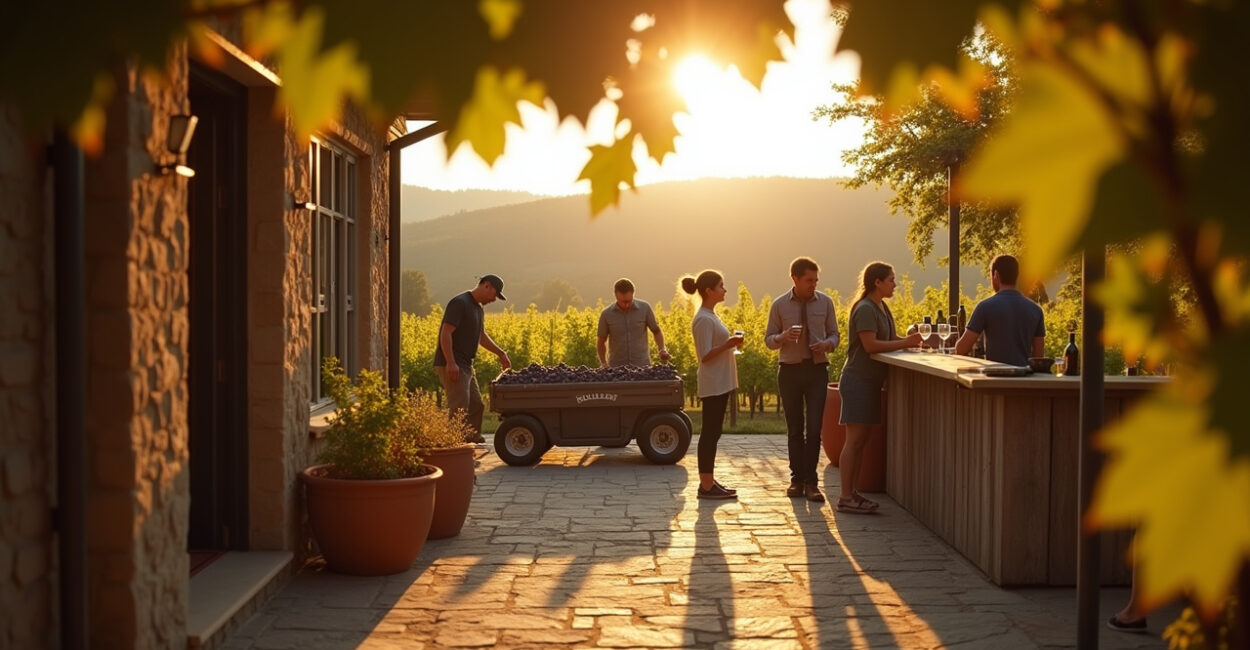
Harvest activity peaks in October across major wine regions, bringing concentrated picking, more winery events and shifting crowd patterns for visitors. Winemakers, local tourism boards and seasonal workers report that grape arrivals at cellars intensify from late September through November, altering the visitor experience at vineyards.
The shift happens as wineries prioritize sorting and processing fruit, which reduces some daily tour availability while prompting a surge in special harvest tastings and festivals. As a consequence, independent travelers who plan self-guided rides can either avoid crowds or engage directly with harvest events if they time trips around specific weeks.
Peak Harvest Concentrated in October; Picking Can Last 4–8 Weeks by Region
In many temperate wine regions, peak picking commonly falls in October and typically spans four to eight weeks depending on varietal and climate. Cooler-climate areas often start later, while warmer valleys can begin harvesting in late September and finish sooner. That concentrated window means both cellar work and visitor activity intensify simultaneously.
Winemakers coordinate crews and equipment to manage the harvest surge, often scheduling overnight pressing and extended hours to protect grape quality. For visitors, the compressed timeline translates into sudden openings of harvest tours and pop-up events that last only a few days or a week. Travelers must therefore check local harvest calendars to catch specific harvest stages.
Cellar Visits Decline ~30% During Harvest Weekdays; Weekends Remain Busy
Wineries report an average 30% drop in standard guided cellar tours on weekday mornings during harvest due to operational demands and safety limits. Staff prioritize fruit handling, pressing and temperature control, reducing time available for routine tours. Tour operators often restrict visitor access near active processing zones to comply with safety and quality protocols.
Despite weekday reductions, weekends see sustained or increased visitation as wineries schedule open days, tastings and family-friendly harvest celebrations. That pattern creates a bimodal crowd distribution: quieter midweek mornings but crowded afternoons and weekends. Self-guided riders who prefer quiet cellar visits should target early weekday slots or later in the season after harvest winds down.

Tasting Events Increase About 50%; Many Are Ticketed and Limited-capacity
Regional tourism offices estimate a roughly 50% increase in harvest-themed tastings, vineyard dinners and grape-stomping events during autumn. These curated experiences often replace standard tours and carry entry fees or require advance booking. Event organizers cap attendance to maintain atmosphere and adhere to safety and insurance requirements.
For travelers, this means more high-quality, immersive options but fewer walk-in opportunities. Popular events can sell out weeks in advance, especially on holiday weekends and during peak harvest weekends. Planning ahead and reserving spots online or by phone will secure access to the most sought-after experiences.
Average Crowd Sizes Vary by Region; Small AVAs See 20–60% Spikes on Festival Days
Smaller American Viticultural Areas (AVAs) and boutique regions can experience crowd increases ranging from 20% up to 60% on harvest festival days, according to local event data. These spikes happen because nearby urban populations and weekend tourists converge for limited-time activities. Roads, parking and tasting room capacity strain under the temporary influx.
In contrast, larger or widely dispersed regions spread visitors across more sites, creating milder local spikes. However, travel times between estates may lengthen due to increased traffic. Self-guided riders should anticipate longer transit times and consider planning fewer, longer stops per day to avoid rushing.
Best Days for Self-guided Rides: Weekdays Early Morning or Late Afternoon
Data from winery reservation systems show the quietest windows for casual visits are weekday early mornings and late afternoons, outside structured event hours. During these times, staff can give more personalized attention and tasting rooms are less hurried. Riders experience more relaxed cellar tours and often find staff willing to show behind-the-scenes areas if operationally feasible.
Choosing these slots also aligns with cooler temperatures for riding and better light for vineyard photography. Keep in mind that some wineries close midday for processing during harvest, so confirm opening hours before departure. Flexibility pays off; allowing an extra hour at each stop reduces stress and increases chances of spontaneous, memorable encounters.
Transportation and Parking: Shuttle Services Increase; Parking Fills Quickly on Weekends
Many regions expand shuttle and wine-taxi services by 20–40% to handle autumn demand, especially during festivals and peak tasting weekends. These services help reduce impaired driving and manage limited parking at smaller estates. However, shuttle schedules can fill up fast and often require reservations tied to specific winery stops.
On busy days, vineyard parking lots reach capacity early in the afternoon, pushing visitors to remote lots or street parking that increases walking time. Self-guided riders who intend to drive should arrive early or book parking when available. Alternatively, pairing a driving route with pre-booked shuttles for the busiest stop can combine convenience and safety.
Practical Scheduling Tips: Reserve, Map Routes, and Build Slack Into Itineraries
Practical trip planning reduces the chance of missed experiences: reserve tastings and events in advance, map realistic routes and leave buffer time between stops. Wineries vary in how strictly they enforce reservation times, so include at least 30–45 minutes extra per stop for travel delays, tasting pours and short walks through vineyards. Carry printed confirmations and local contact numbers to handle last-minute changes.
For cyclists and self-guided riders, plan routes with safe shoulders, lower-traffic secondary roads and predictable elevation gains to avoid fatigue. Pack weather-appropriate layers since autumn mornings can be cool and afternoons warm. Finally, ask each winery about on-site restrictions during harvest to avoid arriving at an estate closed for processing or limited to event ticket holders.
Autumn transforms wine regions into vibrant, work-focused landscapes offering unique experiences for visitors who plan carefully. By targeting quieter weekday windows, booking harvest events early and allowing flexibility in routes, self-guided riders can enjoy both authentic winery activity and comfortable touring. The season rewards thoughtful timing with richer tastings, closer interactions with producers and memorable harvest-side moments.