

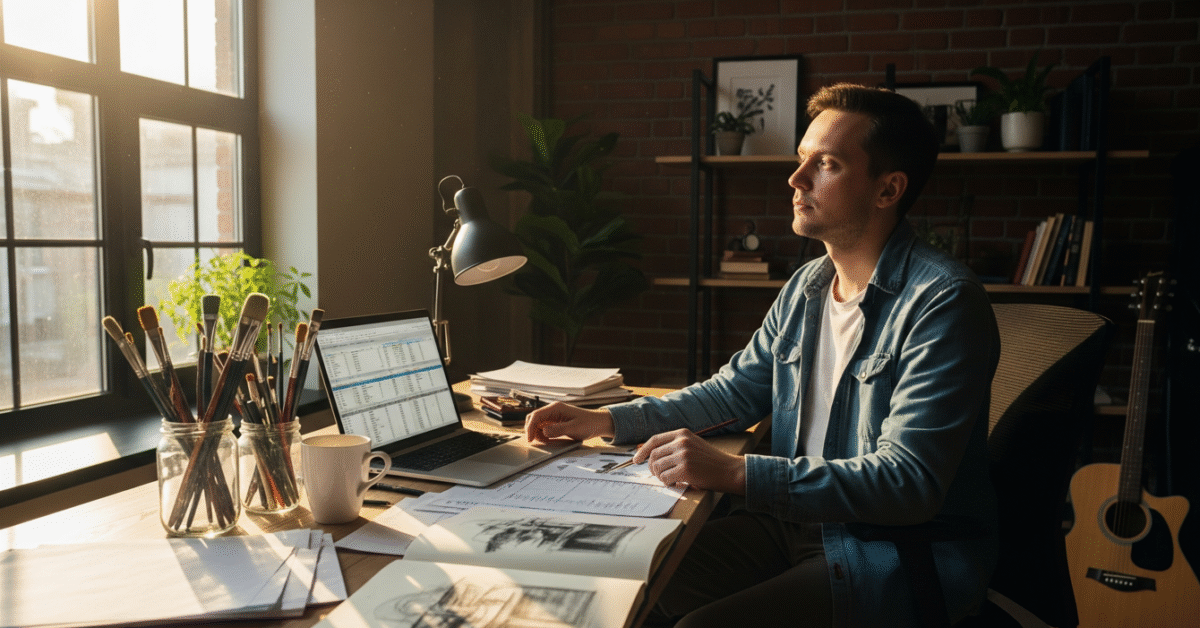
Stress creativity is a fascinating concept that reveals how our moments of tension and pressure can actually ignite innovative thinking. Rather than being a purely negative force, stress can unlock hidden potential in our minds, especially when paired with creative activities. Understanding this dynamic offers a refreshing perspective on managing emotional balance through artistic and imaginative outlets.
In today’s fast-paced world, where anxiety and burnout are increasingly common, harnessing stress to boost creativity is more relevant than ever. It’s not just about surviving pressure but transforming it into a powerful tool for emotional health and personal growth. This article dives deep into how creative activities help lower stress and promote emotional balance, giving you practical insights and inspiration.
By the end, you’ll discover why embracing creativity during stressful times can be a game-changer for your well-being and learn actionable ways to incorporate this approach into your daily life.
Contents
ToggleThe Science Behind Stress and Creativity
How Stress Affects the Brain
Stress triggers the release of cortisol, which can narrow focus and sharpen problem-solving skills temporarily. This heightened state can fuel creative thinking by pushing the brain to seek novel solutions.
However, chronic stress impairs cognitive flexibility, making it harder to think outside the box. Balancing stress levels is crucial for maintaining creativity.
Creativity as a Stress Response
Engaging in creative tasks activates the prefrontal cortex, the brain’s decision-making center, which helps regulate emotions and reduce anxiety. This natural response helps transform stress into productive energy.
Creative expression serves as an emotional outlet, allowing individuals to process stress in healthier ways and foster resilience.
Neuroplasticity and Emotional Balance
Regular creative practice promotes neuroplasticity—the brain’s ability to adapt and rewire itself—enhancing emotional regulation. This makes it easier to manage stress and maintain mental equilibrium.
Over time, creativity builds a buffer against stress, improving overall emotional well-being and cognitive health.
Creative Activities That Lower Stress Effectively
Art and Drawing
Drawing and painting immerse the mind in a calming, focused state, reducing stress hormones and encouraging mindfulness. These activities offer a non-verbal way to express complex feelings.
They stimulate visual processing and imagination, which can distract from stressors and promote relaxation.
Writing and Journaling
Writing allows for structured emotional release and reflection, helping to organize thoughts and reduce mental clutter. Journaling, in particular, offers clarity and perspective on stressful experiences.
This creative outlet improves mood and fosters emotional balance by encouraging honest self-expression.
Music and Dance
Listening to or creating music lowers cortisol levels and triggers dopamine release, the brain’s pleasure chemical. Dancing combines physical movement with creative expression, boosting mood and reducing tension.
Both activities engage multiple brain regions, enhancing cognitive function and emotional resilience.
How Stress Creativity Boosts Emotional Balance
Building Emotional Awareness
Creative activities heighten self-awareness by encouraging introspection. This helps individuals recognize stress triggers and emotional patterns more clearly.
Greater emotional insight fosters better coping strategies and balanced reactions to pressure.
Enhancing Problem-Solving Skills
Stress creativity improves cognitive flexibility, allowing people to reframe challenges and approach problems from new angles. This shift reduces feelings of overwhelm.
Creative thinking under stress supports adaptive responses and emotional stability.
Promoting Relaxation and Flow
Engaging in creative flow states decreases the perception of stress and enhances psychological well-being. Flow fosters deep focus, where worries fade and emotional balance is restored.
This immersive experience builds resilience against future stressors.
Practical Ways to Incorporate Creative Stress Relief Daily
Start Small with Daily Doodles
Spend five minutes each day sketching or drawing to clear your mind. This simple habit cultivates creativity and reduces stress gradually.
Consistency is key—small creative moments accumulate into significant emotional benefits.
Keep a Reflective Journal
Write about your feelings and thoughts regularly. Journaling helps externalize stress and sparks creative problem-solving.
Set a specific time daily to make journaling a calming routine.
Use Music to Shift Mood
Create personalized playlists to match or improve your emotional state. Use music as a creative tool to regulate stress throughout the day.
Incorporate movement or dance for an added emotional boost.
Step-by-Step: Using Creativity to Manage Stress
- Identify a creative activity you enjoy, such as drawing or writing.
- Set aside a specific time daily, even if just for 10 minutes.
- Engage fully—allow yourself to explore without judgment or pressure.
- Reflect afterward on how the activity affected your mood and stress levels.
- Adjust and repeat, making creativity a regular part of your stress management.
Benefits of Stress Creativity on Mental Health
Reduces Anxiety and Depression Symptoms
Creative engagement lowers anxiety by diverting attention from negative thoughts and fostering positive emotions. It offers a constructive outlet for processing difficult feelings.
Regular practice supports mood stabilization and decreases depressive symptoms.
Improves Sleep Quality
Creative activities, especially in the evening, can calm the mind and prepare the body for restful sleep. This helps break the cycle of stress-induced insomnia.
Better sleep enhances overall emotional balance and cognitive function.
Strengthens Social Connections
Group creative activities build empathy and reduce feelings of isolation, which are common stress amplifiers. Shared creative experiences promote support networks.
Social bonding through creativity improves emotional resilience.
Tools and Resources to Enhance Stress Creativity
Apps for Creative Expression
- Procreate (digital drawing)
- Day One (journaling)
- Spotify (music therapy playlists)
Online Communities and Workshops
- CreativeLive (art classes)
- Meetup groups for art and writing
- Local community centers offering creative workshops
Physical Materials to Get Started
- Sketchbooks and colored pencils
- Basic musical instruments
- Journals and pens
Measuring the Impact of Stress Creativity
| Indicator | Before Creative Practice | After Regular Creative Practice |
|---|---|---|
| Stress Levels | High (frequent tension and anxiety) | Moderate to Low (improved coping) |
| Emotional Balance | Unstable (mood swings) | Stable (consistent positive mood) |
| Creativity | Low (blocked thinking) | High (fluid and flexible ideas) |
| Sleep Quality | Poor (difficulty falling asleep) | Improved (deeper, more restful sleep) |
| Social Interaction | Limited (withdrawn) | Increased (more connected) |
Conclusion
Stress creativity is not just a concept but a powerful reality that can transform how we handle pressure and emotional challenges. By embracing creative activities as a tool to lower stress, you tap into a natural source of emotional balance and resilience. Just as the introduction suggested, stress doesn’t have to block your creativity — it can fuel it, guiding you toward a healthier, more fulfilled life. Start small, stay consistent, and watch your stress transform into your greatest creative ally.
Frequently Asked Questions
How does creativity reduce stress?
Creativity reduces stress by providing a focused outlet for emotional expression and mental engagement. Activities like drawing, writing, or music encourage relaxation, lower cortisol levels, and help individuals process feelings constructively, promoting emotional balance and reducing anxiety.
Can stress actually improve creativity?
Yes, moderate levels of stress can enhance creativity by stimulating the brain’s problem-solving centers and encouraging innovative thinking. This effect is temporary and depends on maintaining healthy stress levels without becoming overwhelmed or burned out.
What are simple creative activities to relieve stress daily?
Simple creative activities include sketching, journaling, playing a musical instrument, or dancing. Even five to ten minutes of these practices each day can help lower stress and promote emotional balance by engaging the mind and body in positive, mindful ways.
Is there scientific evidence supporting stress creativity benefits?
Scientific studies show that creative activities reduce cortisol, enhance neuroplasticity, and improve emotional regulation. Research indicates that engaging in art, music, or writing lowers stress and fosters resilience, supporting mental health and well-being.
How can I make creative stress relief a habit?
To build creative stress relief habits, choose enjoyable activities, set a dedicated daily time, and focus on the process without judgment. Reflect on benefits regularly and adjust the routine as needed to make creativity a consistent, rewarding part of your life.
For further reading, visit American Psychological Association – Stress and Harvard Health Publishing – Creative Arts Therapy.