

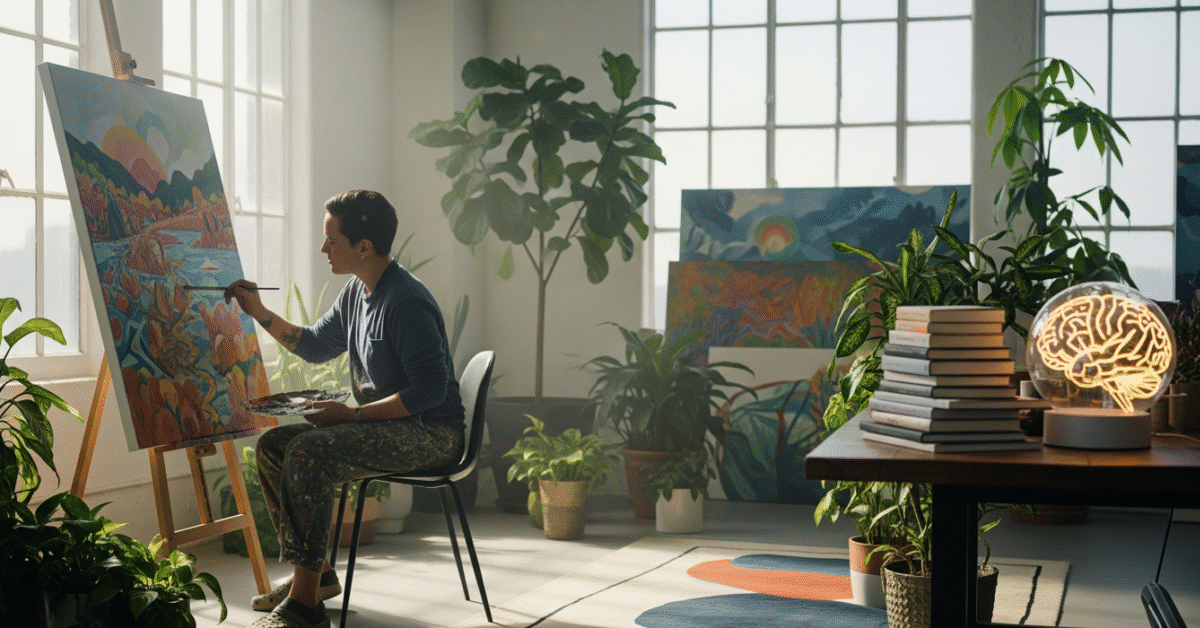
Imagine a mind that not only resists the wear of time but blossoms with creativity, clarity, and sharpness every day. Brain health is the cornerstone of this vibrant mental vitality, influencing everything from memory to emotional well-being. Understanding how creative practices can enhance brain health opens a door to unlocking your full cognitive potential.
In today’s fast-paced world, maintaining optimal brain health is more crucial than ever. Cognitive decline, stress, and digital overload threaten our mental agility. Yet, science increasingly shows that engaging in creative activities—like painting, writing, or music—can boost cognitive function, supporting memory, problem-solving, and emotional resilience.
This article explores the fascinating connection between creative practices and improved brain health. You’ll discover how creativity fuels neuroplasticity, strengthens neural pathways, and enhances overall cognitive performance. Get ready to transform your brain through inspiring, evidence-based strategies.
Contents
ToggleThe Science Behind Brain Health and Creativity
Neuroplasticity and Cognitive Growth
Neuroplasticity is the brain’s amazing ability to reorganize itself by forming new neural connections. Creative activities stimulate this process, enhancing memory and learning. This adaptability is essential for long-term brain health and mental agility.
Engaging in novel creative tasks challenges the brain, promoting cognitive flexibility and resilience. It helps prevent cognitive decline by keeping neural circuits active and healthy.
The Role of Dopamine and Reward Systems
Creative practices trigger dopamine release, a neurotransmitter linked to motivation and pleasure. This chemical boost not only makes creativity enjoyable but also supports brain function and mood regulation. Dopamine encourages repeated engagement, reinforcing brain health.
Positive reinforcement from creative success can reduce stress and improve mental well-being, essential components of maintaining sharp cognitive faculties.
Brain Regions Activated by Creativity
Areas such as the prefrontal cortex, hippocampus, and temporal lobes are heavily involved in creative thinking. These regions govern planning, memory, and emotional processing, all crucial for brain health. Regular creative engagement strengthens these neural networks.
This activation supports problem-solving skills and emotional intelligence, enhancing overall cognitive function and mental clarity.
How Creative Practices Boost Memory and Learning
Enhancing Short-Term and Long-Term Memory
Creative tasks like storytelling or drawing stimulate both short-term and long-term memory centers. This dual activation strengthens recall ability and information retention. Memory exercises embedded in creativity help prevent cognitive decline.
By associating new information with creative expression, the brain forms stronger, more lasting memories, aiding learning and mental sharpness.
Improving Focus and Attention Span
Creativity demands concentration and mindfulness, which naturally enhances focus. Activities such as playing an instrument require sustained attention, boosting the brain’s capacity to filter distractions and improve cognitive control.
Better attention span translates into improved learning efficiency and problem-solving abilities over time.
Stimulating Multiple Learning Modalities
Creative practices engage visual, auditory, and kinesthetic learning styles simultaneously. This multisensory stimulation enriches cognitive processing and helps solidify new knowledge.
Combining different learning pathways enhances brain health by promoting integration across diverse neural networks.
Creative Expression as a Stress Reliever and Mood Enhancer
Reducing Cortisol Levels Through Art and Music
Stress negatively impacts brain health by increasing cortisol, which can damage neurons. Creative outlets like painting or playing music have been shown to lower cortisol levels and promote relaxation.
Lower stress means better cognitive function, improved memory, and emotional balance, essential for maintaining a healthy brain.
Encouraging Emotional Processing and Resilience
Creative expression provides a safe space to process emotions and experiences. Writing or dancing, for example, helps regulate mood and build emotional resilience, key factors for sustained brain health.
Emotional well-being supports cognitive clarity and reduces the risk of mental health disorders.
Fostering Social Connections Through Creativity
Group creative activities enhance social bonds, which are vital for brain health. Engaging in collaborative projects stimulates communication skills and emotional intelligence.
Social interaction combined with creativity boosts cognitive reserve and protects against cognitive decline.
Daily Habits to Nurture Brain Health Through Creativity
Incorporate Short Creative Sessions
Set aside 10-15 minutes daily for a creative activity such as journaling or sketching. Consistency nurtures brain health by regularly activating neuroplasticity.
Short, frequent creative bursts are easier to maintain and can have a cumulative positive effect on cognitive function.
Explore New Creative Mediums
Experimenting with unfamiliar creative outlets challenges the brain to adapt and grow. Try pottery, dance, or digital design to keep your brain engaged.
Novelty stimulates learning and strengthens brain connections, enhancing memory and problem-solving skills.
Create a Creative Environment
Designate a space that inspires creativity with art supplies, music, or calming décor. A supportive environment encourages regular creative practice and brain stimulation.
Having a dedicated creative nook reduces barriers to engagement and promotes mental well-being.
The Impact of Creative Practices on Aging and Cognitive Decline
Delaying Symptoms of Dementia and Alzheimer’s
Studies reveal that engaging in creative activities can delay the onset of dementia symptoms by enhancing cognitive reserve. Artistic expression preserves neural pathways vulnerable to degeneration.
Regular creativity supports memory retention and cognitive clarity in aging populations.
Improving Neural Connectivity in Older Adults
Creative tasks increase communication between brain hemispheres, improving mental coordination. This connectivity helps older adults maintain executive functions.
Better neural integration supports decision-making, attention, and emotional regulation.
Promoting Lifelong Learning and Curiosity
Creativity fosters curiosity, which motivates continuous learning. Lifelong intellectual engagement is a proven factor in maintaining brain health into old age.
Curiosity-driven creativity keeps the brain active and reduces cognitive decline risks.
Nutrition and Lifestyle Choices That Complement Creative Brain Health
Brain-Boosting Nutrients
Omega-3 fatty acids, antioxidants, and vitamins like B12 and D support cognitive function. Proper nutrition fuels the brain’s ability to engage in creative thinking and memory retention.
Balanced diets rich in these nutrients promote long-term brain health and reduce inflammation.
Exercise and Its Synergy with Creativity
Physical activity increases blood flow to the brain, enhancing neurogenesis. Combining exercise with creative pursuits maximizes cognitive benefits and stress reduction.
Regular movement supports memory, attention, and mood regulation.
Prioritizing Sleep for Cognitive Restoration
Sleep consolidates memories and clears toxins from the brain. Adequate rest is essential for sustaining creativity and overall brain health.
Quality sleep enhances problem-solving skills and emotional balance.
Measuring Progress: Tracking Brain Health Through Creativity
Using Cognitive Assessments
Tools like memory tests and attention span tasks can monitor cognitive improvements from creative activities. Regular assessments help track brain health over time.
These measurements can motivate continued engagement in creative practices.
Journaling for Mental Clarity
Keeping a journal documents creative growth and emotional changes. Reflective writing promotes self-awareness and brain function.
Journaling encourages mindfulness, contributing positively to cognitive health.
Tracking Mood and Stress Levels
Monitoring emotional well-being through apps or logs reveals the impact of creativity on stress reduction. Positive mood correlates with better brain performance.
Consistent tracking helps tailor creative routines for maximum cognitive benefit.
| Creative Practice | Brain Health Benefit | Recommended Frequency |
|---|---|---|
| Painting or Drawing | Enhances visual-spatial skills and memory | 3-4 times per week |
| Playing a Musical Instrument | Boosts attention, coordination, and auditory processing | Daily, 15-30 minutes |
| Creative Writing | Improves language skills and emotional processing | 2-3 times per week |
| Dancing or Movement Arts | Enhances motor skills and social interaction | Weekly group sessions |
- Identify a creative activity that excites you and fits your lifestyle.
- Set a realistic schedule to engage in this activity regularly.
- Create a dedicated space or environment that inspires creativity.
- Track your mood, memory, and focus improvements over time.
- Gradually introduce new creative challenges to stimulate your brain.
- Combine creativity with healthy lifestyle habits like exercise and sleep.
Conclusion
Brain health is a dynamic journey, deeply enriched by the spark of creativity. When you embrace creative practices, you not only nurture your cognitive function but also foster emotional resilience and joy. Just as your brain thrives on novel challenges and stimulation, your spirit soars with every brushstroke, note, or word created.
Remember the vivid image at the start—your mind, alive and flourishing, shaped by the power of creativity. By weaving creative habits into your daily life, you unlock a future of mental clarity, memory strength, and emotional balance. Let your creativity be the key that transforms your brain health and your life.
Frequently Asked Questions
How does creativity directly impact brain health?
Creativity stimulates neuroplasticity, helping the brain form new neural connections. This process strengthens memory, problem-solving skills, and cognitive flexibility, vital for maintaining brain health and delaying cognitive decline.
What types of creative activities are best for improving cognitive function?
Activities like painting, playing musical instruments, creative writing, and dancing are particularly effective. They engage multiple brain regions responsible for memory, attention, and emotional processing, enhancing overall cognitive function.
Can creative practices help prevent dementia or Alzheimer’s?
Yes, engaging regularly in creative activities builds cognitive reserve, which can delay the onset and progression of dementia and Alzheimer’s. These practices keep the brain active, promoting neural health and resilience.
How often should I practice creative activities to see brain health benefits?
Consistency matters more than duration. Engaging in creative activities at least 3-4 times per week, even for short sessions, can significantly improve brain health and cognitive performance over time.
Are there lifestyle habits that complement creativity for better brain health?
Absolutely. Balanced nutrition, regular exercise, quality sleep, and stress management enhance the benefits of creativity. Together, they support optimal brain function and emotional well-being.
For further reading on brain health and creativity, visit National Institute of Mental Health and Alzheimer’s Association.