

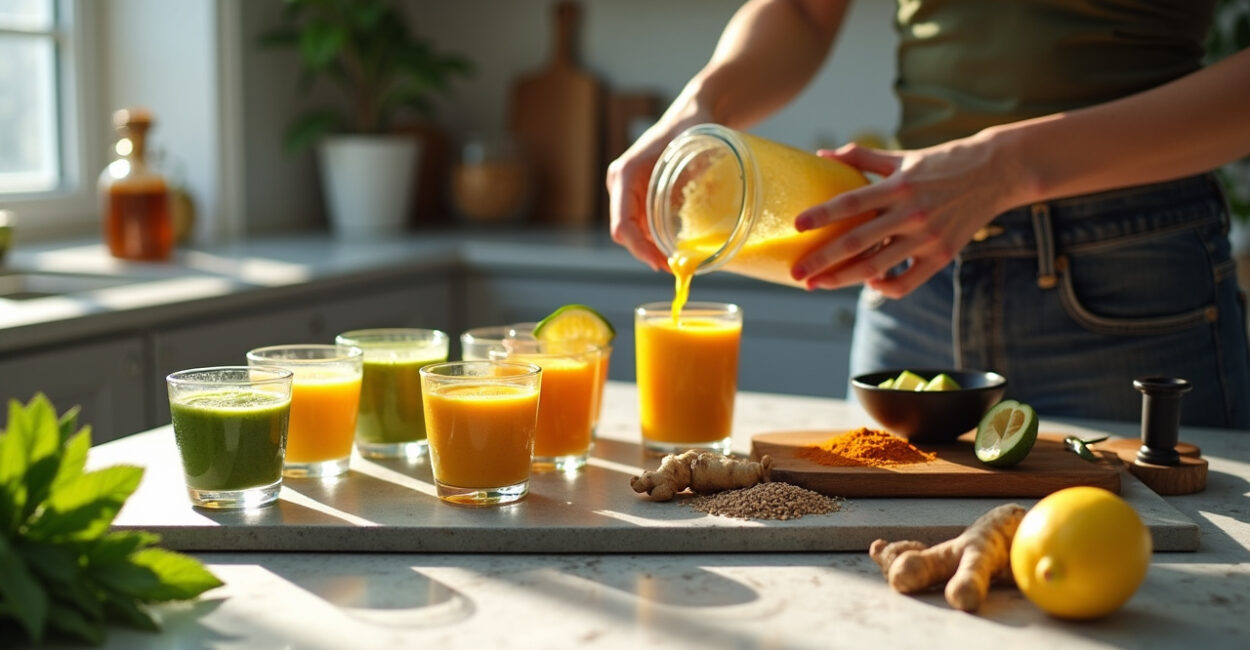
Are blended beverages purpose-built to reduce chronic low-grade inflammation through targeted nutrients: polyphenols, omega-3 fatty acids, fiber, and anti-inflammatory spices. In practice they combine whole fruits and vegetables, healthy fats, a clean protein source, and spices such as turmeric and ginger to deliver compounds that modulate inflammatory pathways (for example curcumin and gingerols) while supporting glycemic control and gut health.
Pontos-Chave
- Well-formulated anti-inflammatory smoothies deliver polyphenols, omega-3s, fiber, and protein in one quick serving to blunt inflammatory signaling and stabilize blood sugar.
- Spice pairings (turmeric+black pepper, ginger+lemon) markedly increase bioavailability and synergize with fats and proteins for better absorption.
- Seven practical recipes below take under five minutes each and include freezer-ready prep and protein boosts for real-world mornings.
- Key contraindications: some spices and supplements interact with anticoagulants and certain medications—consult a clinician when in doubt.
Why Nutrient Selection Determines the Efficacy of Anti-inflammatory Smoothies
Not all smoothies reduce inflammation. The nutrients and their matrix matter. Polyphenols (berries, green tea, cacao) act as antioxidants and modulate NF-κB signaling. Omega-3s (flaxseed, chia, walnut oil) shift eicosanoid production toward less inflammatory mediators. Soluble fiber slows glucose absorption and feeds butyrate-producing gut bacteria, which in turn regulate systemic inflammation. Protein stabilizes blood sugar and supports muscle repair; it also slows gastric emptying, improving polyphenol uptake when paired correctly.
Key Nutrient Classes and Mechanisms
Polyphenols scavenge free radicals and influence gene expression linked to inflammation. Long-chain omega-3s reduce pro-inflammatory prostaglandins. Soluble fiber generates short-chain fatty acids in the colon; butyrate lowers intestinal permeability and systemic LPS exposure. Adding a small amount of fat (avocado, nut butter) increases absorption of fat-soluble compounds such as curcumin. This combination targets multiple upstream drivers of chronic inflammation rather than addressing symptoms alone.
Practical Nutrient Thresholds
Aim for ~300–500 kcal per smoothie for a meal-replacement: 20–30 g carbohydrate (prefer low GI), 10–20 g protein, 10–20 g fat, and 6–10 g fiber. Include 1–2 servings of fruit (berries preferred), a leafy green, 1 tbsp of chia/flax, and a spice. These targets provide meaningful doses of active compounds without spiking glucose or calories.
Seven Anti-inflammatory Smoothie Recipes You Can Blend in Under Five Minutes
Below are seven recipes built around distinct mechanisms: antioxidant load, omega-3 boost, gut-support, and spice-mediated bioavailability. Each recipe lists timing tips for freezer packs and optional protein boosts to fit morning routines. All recipes assume a 24–30 oz blender and result in ~12–16 oz servings unless noted.
1. Blueberry-Green Antioxidant Blend
Ingredients: 1 cup frozen blueberries, 1 cup spinach, 1/2 banana, 1 tbsp chia, 1 cup unsweetened almond milk, 1 scoop plain whey or pea protein. Technique: blend until smooth. Freezer prep: portion fruit and spinach into zip bags; add chia in the morning. Why it works: berries provide anthocyanins; spinach adds magnesium and nitrates that support vascular health; protein reduces glycemic impact.
2. Turmeric-Lemon Golden Smoothie
Ingredients: 1 cup frozen mango, 1/2 avocado, 1 tsp turmeric, pinch black pepper, 1 tsp fresh grated ginger, 1 cup oat milk, 1 tbsp hemp seeds. Technique: warm liquid slightly or add fat to maximize curcumin absorption. Why it works: curcumin requires fat and piperine (from black pepper) for bioavailability; mango masks turmeric flavor while delivering vitamin C.

Spice Science and Pairing Rules for Anti-inflammatory Smoothies
Spices are not mere flavor agents; they alter bioavailability and have direct anti-inflammatory effects. Turmeric (curcumin) inhibits COX-2 and NF-κB pathways but has low oral bioavailability alone. Piperine (black pepper) and dietary fats can raise absorption by up to 2000% in controlled studies. Ginger provides gingerols that reduce prostaglandin synthesis and lower muscle pain. Cinnamon improves insulin sensitivity in short-term trials. Proper pairing of spices with fats and proteins is therefore critical.
Rules of Thumb for Spice Pairing
Always combine turmeric with a small fat source and a pinch of black pepper. Use fresh ginger for maximal gingerol content; 1 tsp fresh equates roughly to 1/4–1/2 tsp dried powder. Add cinnamon to fruit-forward smoothies to blunt glycemic spikes. Limit concentrated spice extracts if you take anticoagulant medications; check interactions with a pharmacist.
Protein Boosts and Texture Strategies Without Losing Anti-inflammatory Value
Protein choice affects inflammation and gut tolerance. Whey protein is insulinogenic but contains bioactive peptides with anti-inflammatory properties in some studies. Pea and soy proteins are plant-based alternatives with favorable amino acid profiles; pea protein tends to produce less GI distress. Collagen lacks tryptophan and is not a complete protein but supports connective tissue—use it when joint recovery is a priority. Match the protein to goals: muscle maintenance, satiety, or joint support.
How Much and What Type of Protein to Add
For mornings, add 15–25 g protein per smoothie. Choose whey if you tolerate dairy and need rapid amino acids post-exercise. Use pea or soy for plant-based complete profiles; combine rice + pea if necessary. For joint-targeted blends, collagen (10–20 g) plus vitamin C enhances collagen synthesis. Avoid flavored powders with excess sugar or artificial additives that can counteract anti-inflammatory aims.
Prepping for Speed: Freezer Packs, Batch Protein, and Five-minute Routines
Practical prep separates intention from follow-through. Assemble freezer smoothie packs: portion frozen fruit, greens, and spices into single-use bags labeled with the recipe. Store fats (avocado cubes, nut butter packets) and protein powders separately. In the morning, dump one pack into the blender, add liquid and protein, blend, and go. This reduces prep to under five minutes while preserving nutrient profiles.
Freezer Pack Protocol and Shelf-life
Freeze greens and fruit together for up to 3 months; avocado cubes with a squeeze of lemon last 6–8 weeks. Write the date and recipe on each bag. For batch-cooked bases (e.g., cooked beets or sweet potato), freeze in 1-cup portions. Thawing briefly in the morning keeps blades from stalling. A high-speed blender preserves texture and extracts nutrients efficiently.
Safety, Drug Interactions, and Population-specific Adjustments
Anti-inflammatory smoothies are generally safe, but certain ingredients can interact with medications or affect conditions. High-dose omega-3s and large quantities of turmeric may potentiate anticoagulant effects. People with kidney disease must limit potassium-heavy greens and certain protein types. FODMAP-sensitive individuals may react to high inulin or fructan ingredients like large amounts of apples, garlic, or some protein isolates. Personalize recipes accordingly.
When to Consult a Clinician
Consult your clinician if you take anticoagulants, immunosuppressants, or have chronic kidney disease, liver disease, or uncontrolled diabetes. Provide a list of commonly used spices and supplements; a pharmacist can quickly flag interactions. For pregnancy and breastfeeding, reduce concentrated extracts and consult a provider before routine use of high-dose supplements in smoothies.
Measuring Effect: Simple Markers and a 4-week Trial Plan
To evaluate whether anti-inflammatory smoothies affect your health, use objective and subjective markers. Objective markers include high-sensitivity C-reactive protein (hs-CRP) and, when relevant, fasting glucose or triglycerides. Subjective markers include morning stiffness, joint pain scores, and energy levels. A 4-week trial with one daily smoothie, consistent diet otherwise, and pre/post hs-CRP testing can reveal meaningful changes for many adults.
Practical 4-week Monitoring Protocol
Week 0: baseline labs (hs-CRP, fasting glucose, lipids) and symptom log. Weeks 1–4: one anti-inflammatory smoothie daily, same time; track symptoms and sleep. Week 4: repeat labs and compare. Expect modest reductions in hs-CRP in low-grade inflammation cases; larger effects require broader dietary change. Use results to refine ingredient choices and protein strategy.
How to Apply This Knowledge
Start by choosing one of the seven recipes and preparing three freezer packs. Commit to one smoothie daily for four weeks while keeping other dietary habits stable. Prioritize spice pairings that increase bioavailability and choose a protein that matches functional goals. If you take medications or have chronic conditions, consult a clinician or pharmacist before beginning. Use simple biomarkers and symptom tracking to assess impact and iterate.
For evidence-based background on inflammation and nutrition, see resources from the National Institutes of Health (nih.gov) and reviews on dietary polyphenols in peer-reviewed journals such as PubMed.
What Ingredients Commonly Sabotage Anti-inflammatory Smoothies?
Common pitfalls include added sugars, fruit juices, flavored yogurts, and processed protein powders with maltodextrin or sucralose. These ingredients spike insulin and can promote inflammation over time. High doses of omega-6 oils (like soybean or corn oil) offset omega-3 benefits when used as add-ins. Also avoid large quantities of concentrated extracts without clinical guidance; they may interact with drugs. Focus instead on whole-food ingredients and minimal added sweeteners for consistent anti-inflammatory results.
Can Daily Anti-inflammatory Smoothies Reduce Markers Like CRP in Four Weeks?
Targeted daily smoothies can reduce low-grade inflammation markers such as hs-CRP within four weeks for some individuals, especially when they replace pro-inflammatory snacks and limit added sugars. Expect modest improvements—average reductions reported in dietary intervention trials range from 10% to 30% depending on baseline inflammation and overall diet change. To measure effect, pair the smoothie protocol with baseline and follow-up hs-CRP testing and keep other variables stable for a valid comparison.
Which Spice Combinations Reliably Increase Nutrient Absorption in Smoothies?
Turmeric combined with a fat source and a pinch of black pepper (piperine) is the most evidence-backed pairing to increase curcumin absorption. Ginger with a small amount of fat also aids dispersal of gingerols. Combining vitamin C–rich fruits with collagen enhances collagen synthesis. These pairings leverage simple biochemical principles: many active phytochemicals are lipophilic or require cofactors to improve gut uptake; pairing them deliberately doubles the functional impact of the smoothie.
Are Plant Proteins as Effective as Whey for Inflammation Control?
Plant proteins such as pea and soy can be as effective as whey for satiety and muscle maintenance when dosed appropriately (15–25 g per serving) and when amino acid profiles are balanced. Some trials show similar anti-inflammatory outcomes when total diet quality is comparable. Whey contains bioactive peptides with anti-inflammatory effects in specific studies, but for most people a high-quality plant protein combined with omega-3s and polyphenol-rich ingredients will deliver clinically meaningful benefits.
How Should I Adapt Smoothies for Someone with Diabetes or Metabolic Syndrome?
For diabetes or metabolic syndrome, prioritize low-glycemic fruits (berries), non-starchy vegetables, higher fiber, and a clear protein dose of 15–25 g per smoothie. Avoid banana-heavy or high-fructose recipes and skip fruit juice. Add sources of healthy fats (avocado, chia) to blunt postprandial glucose spikes. Monitor fasting glucose and postprandial readings during the initial weeks and adjust carbohydrate load and portion size based on real-time glucose responses.
What Are the Main Contraindications and When to Seek Medical Advice?
Major contraindications include concurrent anticoagulant therapy, advanced liver disease, and severe kidney disease that restricts potassium or protein load. High-dose turmeric or omega-3 supplements may interact with blood thinners. Pregnant or breastfeeding individuals should avoid concentrated herbal extracts without clinician approval. Seek medical advice if you have chronic conditions, take multiple medications, or plan to use concentrated supplements regularly in your smoothies to avoid adverse interactions.