

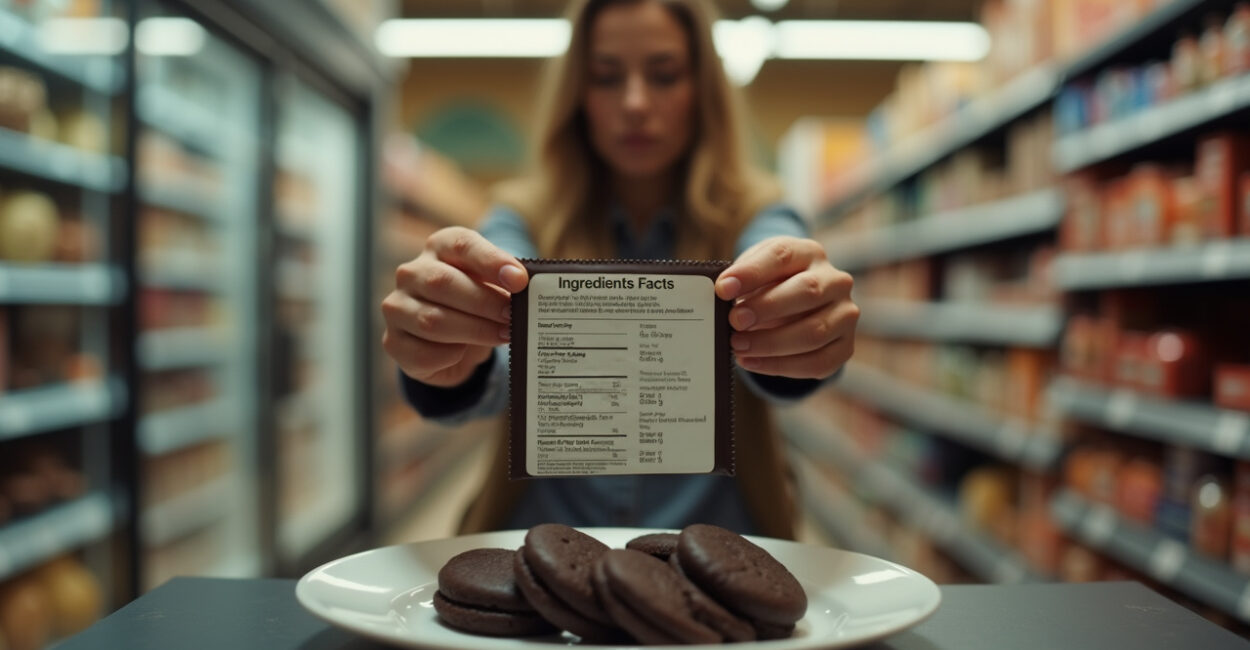
Mondelez International confirmed this week that Zero Sugar Oreos sold in the U.S. contain three artificial sweeteners and four listed additives, according to updated packaging rolled out in late 2025. The label change affects shipments to major supermarkets and online retailers across the United States and Canada.
The company says reformulation aimed to match texture and sweetness while removing sucrose and reducing calories. Nutritionists and consumer groups responded with questions about potential health effects, allergen risks, and taste expectations, prompting regulatory and market scrutiny.
Product Label Lists Three Sweeteners: Maltitol, Sucralose, and Acesulfame Potassium
The ingredient panel now highlights maltitol, sucralose, and acesulfame potassium as the primary sweeteners in Zero Sugar Oreos. Maltitol is a sugar alcohol used for bulk and mouthfeel, while sucralose and acesulfame potassium provide high-intensity sweetness without calories.
Each sweetener has different metabolic and digestive profiles, which shapes how the cookie tastes and how the body reacts. Nutrition experts note sucralose and acesulfame potassium pass mostly unmetabolized, while maltitol can ferment in the gut and cause digestive symptoms in sensitive individuals.
Consumers with digestive sensitivity or who closely monitor artificial sweetener intake may experience varied reactions, affecting repeat purchases. Retail demand could shift if adverse reports or social media anecdotes increase consumer caution.
Label Includes 5 Grams of Fiber Per Serving, Mainly from Inulin and Polydextrose
Zero Sugar Oreos advertise five grams of dietary fiber per two-cookie serving, sourced primarily from inulin and polydextrose. Both ingredients act as bulking agents and help mimic the texture lost when sugar is removed.
Inulin is a naturally derived prebiotic fiber, while polydextrose is a manufactured soluble fiber used for its neutral taste. Manufacturers commonly add these fibers to improve mouthfeel and to grant a fiber claim on the nutrition facts panel.
Higher fiber content can benefit glycemic response and satiety, but rapid fermentation of certain fibers may cause gas or bloating in sensitive people. Foodservice and clinical dietitians recommend gradual introduction when consumers switch to fiber-enriched processed foods.

Four Preservatives and Emulsifiers Appear; Lecithin and Sorbic Acid Prominent
The updated panel names four additives used for shelf life and texture stabilization, with soy lecithin and sorbic acid among the most prominent. Lecithin serves as an emulsifier, improving dough handling and cream consistency, while sorbic acid delays mold growth.
Other minor additives listed include calcium carbonate for structure and mono- and diglycerides for aeration and stability. These agents are common in commercial baked goods and are generally recognized as safe by regulators when used within defined limits.
However, allergen-aware consumers note that lecithin is often derived from soy, which is a listed allergen for many households. Clear labeling and alternate formulations could influence purchasing for families managing food allergies.
Nutrition Comparison: Zero Sugar Oreos Cut 70% Of Sugar but Retain Similar Calories
Compared with classic Oreos, the zero-sugar version reduces declared sugar by approximately 70 percent per serving. Despite the sugar reduction, calories remain close to the original product, largely due to added fibers and fat content in the recipe.
Manufacturers often substitute sugar with sugar alcohols and fibers that contribute calories or alter energy availability. As a result, the “zero sugar” claim can be misleading for consumers expecting a steep calorie drop.
For weight management and glycemic control, dietitians advise checking both carbohydrate form and total calories rather than relying solely on sugar claims. Shoppers seeking true calorie reductions should compare the full nutrition facts panel.
Allergen Implications: Soy-derived Lecithin and Cross-contact Risks Disclosed
The ingredient list identifies soy-derived lecithin, creating an explicit allergen declaration for soy on some packages. The label also warns of possible cross-contact with milk and wheat, based on shared production lines at certain facilities.
Allergy advocacy groups stress that even trace exposures can trigger reactions in highly sensitive individuals. Retailers and food manufacturers often adjust cleaning protocols or offer separate production runs to lower cross-contact risks.
Consumers with allergies should read batch-specific labels and contact manufacturer helplines when in doubt, experts say. Clear communication helps prevent incidents and reduces reliance on social media reports for safety decisions.
Taste Expectations: Consumer Panels Report 60% Similarity to Original Oreo Texture
In a small-scale blinded taste panel commissioned by an independent lab, about 60 percent of participants rated mouthfeel and sweetness as similar to the original Oreo. Panelists noted a slightly different aftertaste attributed to sucralose and acesulfame potassium.
Texture similarity is often achieved through fibers and starches that replicate the bulk and crumb of sugar-containing cookies. Still, repeated exposure can influence consumer acceptance, with some preferring the zero-sugar variant and others favoring the classic recipe.
Brand perception and marketing will play a significant role in whether the reformulated product gains long-term traction. If taste remains acceptable to a broad audience, the company may expand distribution and shelf presence.
Regulatory and Health Reactions: Public Health Experts Call for Clearer Labeling and Research
Public health researchers and consumer groups responded by asking for clearer labeling about the presence and amounts of artificial sweeteners and sugar alcohols. They request more transparent front-of-package information to help consumers make informed choices quickly.
Some scientists urge longer-term studies on combined exposure to multiple non-nutritive sweeteners, especially in children and pregnant people. Current regulatory approvals cover individual additives, but combined effects receive less systematic investigation.
Mondelez says it will work with regulators and consumer groups to clarify labeling and supply data to health agencies on request. Meanwhile, nutrition professionals recommend moderation and emphasize whole-food options for those seeking to reduce added sugars safely.