

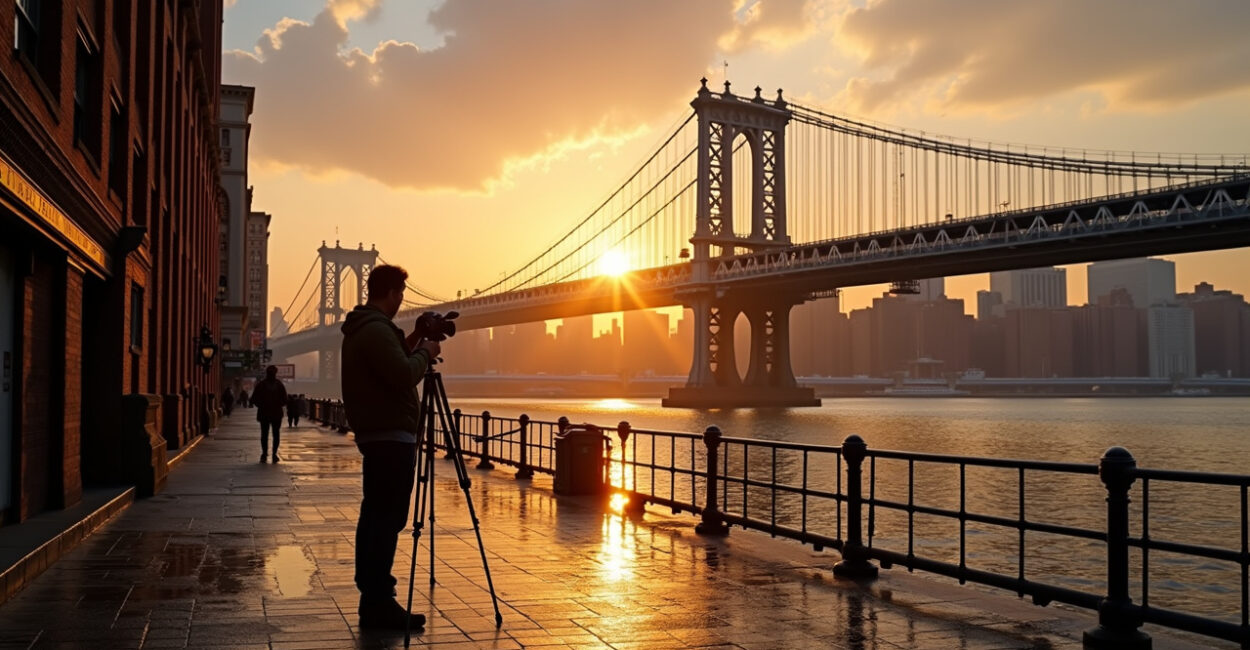
The sun is two minutes from the horizon, and a glassy slice of the East River turns gold while the skyline sharpens like it was sketched overnight. If you love light and place, these New York landscapes will stop your scroll. I’ve picked ten spots that reward early risers with dramatic skies, calm water, and angles most visitors miss.
Why the Right Viewpoint Makes or Breaks a Sunrise
Light changes fast. Standing in the wrong spot wastes the best five minutes. A good viewpoint puts the sun behind or beside your subject, not stuck in the middle of glare. That’s the difference between a flat snapshot and a photograph that looks like a magazine cover. Think layers: foreground, middle, background. Use reflections when water is calm. Wait five minutes after the sun rises — colors often peak then.
Manhattan Classics: Brooklyn Bridge, DUMBO, and Manhattan Bridge
These three are sunrise staples for a reason. From DUMBO you get cobblestones, bridge towers, and the river leading the eye to lower Manhattan. Walk a little east on Washington Street for the iconic frame. For the Manhattan Bridge, shoot from the rooftop or Pebble Beach for a wider composition. Best months: October–April for crisp air. Best time: arrive 30 minutes before official sunrise to set composition and catch the pre-dawn color.
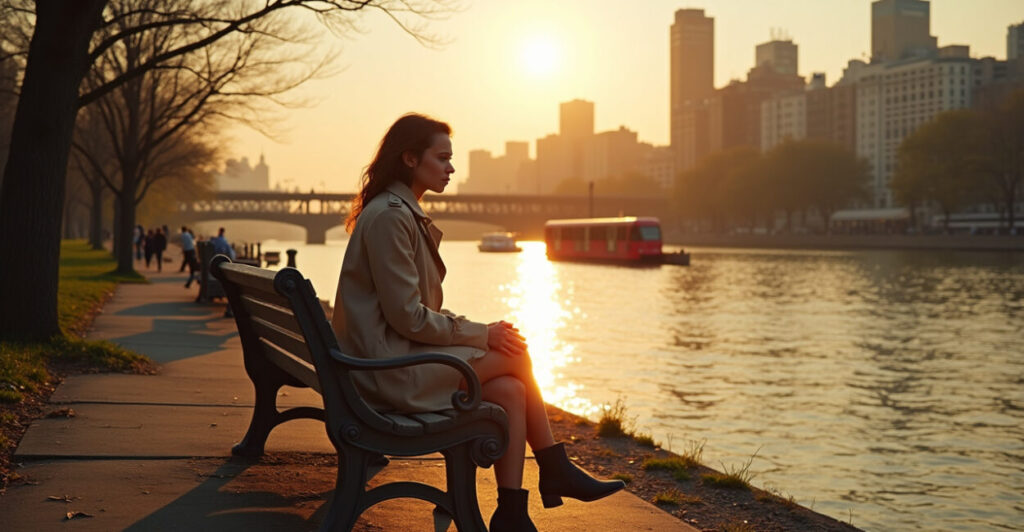
Riverside Gold: Gantry Plaza and Roosevelt Island Views
Gantry Plaza State Park faces east and gives clean water reflections of Midtown. Roosevelt Island offers a quieter alternative with long riverlines and the Tram adding a dynamic element. Use a 24–70mm lens to include sky and river. Tip: include a bench or railing in the foreground for scale. Best months: late spring and early fall when water is less choppy and light hits Midtown’s glass just right.
Skyline Silhouettes: Long Island City and Hunters Point
Long Island City gives you modern glass and dramatic silhouettes against the rising sun. Hunters Point South Park has stepped piers that lead the eye out to the East River. Compare expectation vs. reality: you might expect perfect reflections; reality often delivers wind and ripples — still usable if you lean into texture. Use a polarizer to cut glare, or embrace the ripples for moodier shots.
Nature Within the City: Central Park Viewpoints to Catch the First Light
Central Park is a world away at sunrise. Belvedere Castle overlooks Turtle Pond, giving mirror-like reflections of the city. The Reservoir track offers wide-open sky and long shadows that add depth. Bring a mid-range zoom and a tripod — the light is subtle and shifting. Best months: April–June for green blooms and October–November for warm tones and fewer bugs.
The Wild Edge: Staten Island and the Southern Shorelines
Staten Island’s South Beach and Conference House Park feel like a coast, not a city. Wide horizons and low-slung clouds make for cinematic sunrises. For a different angle, take the Ferry — it gives a moving vantage of Lower Manhattan lit from the side. Composition tip: place the skyline on one third and let the sky dominate for dramatic color.
Upstate Escapes: Hudson River Viewpoints and Bear Mountain
If you want mountains with skyline vibes, head 45–60 minutes north. The Hudson’s west bank has cliffs that catch morning light beautifully. Bear Mountain gives elevated viewpoints where river bends and tree lines create leading shapes. Early fall is unbeatable for color and crisp air. For logistics, check weather and sunrise times ahead — small clouds can ruin or make the shot.
Common Mistakes Photographers Make (and How to Avoid Them)
People often arrive late, shoot blindly toward the sun, or forget foreground interest. A short checklist:
- Don’t arrive at sunrise — be there earlier to set up.
- Avoid shooting straight into glare—use side-light when possible.
- Don’t forget a low element (rock, bench, railing) to anchor the image.
- Check tide and wind for river shots; it changes reflections.
Mini-story: I once showed up to DUMBO with an empty battery and no tripod. I borrowed a stranger’s charger, backed up my camera on a bench for stability, and watched the clouds explode pink. The shot was not about gear that day — it was about being present, flexible, and ready to use whatever the scene offered.
For tide, park, and sunrise timing details, check official sources like NYC Parks and the National Weather Service. They help you plan the practical bits so all you worry about is light.
Ready to get up early? Pick one spot, scout it once in daylight, and go back for sunrise. The difference between a good shot and a great one is planning, small decisions, and being there when the city wakes.
Which Months Give the Most Dramatic Sunrises in New York?
Late fall and early spring tend to offer the most dramatic sunrises because the air is crisper and the humidity lower, which sharpens colors. October through November brings warm tones with changing leaves, while March to April gives clear skies after winter with pastel mornings. Summer can be vibrant but often has hazy light and humidity that mutes color. Check the National Weather Service for clear-sky forecasts and plan around dry, cool mornings for the best results.
What Camera Settings Work Best for Sunrise Cityscapes?
Start with a low ISO (100–200) to keep noise down and a small aperture (f/8–f/11) for sharpness across the frame. Use a tripod and a shutter speed that properly exposes highlights without clipping them. Bracket exposures when in doubt to capture a full dynamic range, then blend later if needed. For reflections, try a longer exposure (1–4 seconds) to smooth water. Adjust white balance to taste — daylight for realism, or cloudy for warmer tones.
How Early Should I Arrive Before Official Sunrise?
Arrive at least 30–45 minutes early for setup and composition, and 60 minutes if you plan to scout foregrounds or wait for the golden moments. The pre-dawn light — the blue hour — often offers soft colors and interesting contrasts before the sun breaks the horizon. Being early also helps with finding parking and avoiding crowds at popular spots like Brooklyn Bridge and Gantry Plaza. Use apps for golden hour timing but always give yourself extra buffer time.
Are There Safety or Permit Concerns for Shooting at Sunrise?
Most public parks allow sunrise photography without a permit for personal use, but commercial shoots may require permission. Stay aware of opening hours — some parks have gates. Always follow local rules and respect private property. Bring warm layers in colder months and a headlamp for dark paths. For shooting on rooftops or restricted areas, contact property managers ahead of time. Check city resources like NYC Parks for specific rules to avoid fines or being asked to leave.
How Can I Improve Composition Quickly on Location?
Use these fast checks: place the horizon on the top or bottom third, add a clear foreground element for depth, and look for leading lines like piers or riverbanks to guide the eye. Change perspective — crouch low to make foregrounds larger or climb for a wider sweep. Use negative space to emphasize a colorful sky. Don’t be afraid to take multiple variations: horizontal and vertical, wide and tight. Reviewing images on-site helps spot small tweaks that make a big difference.