

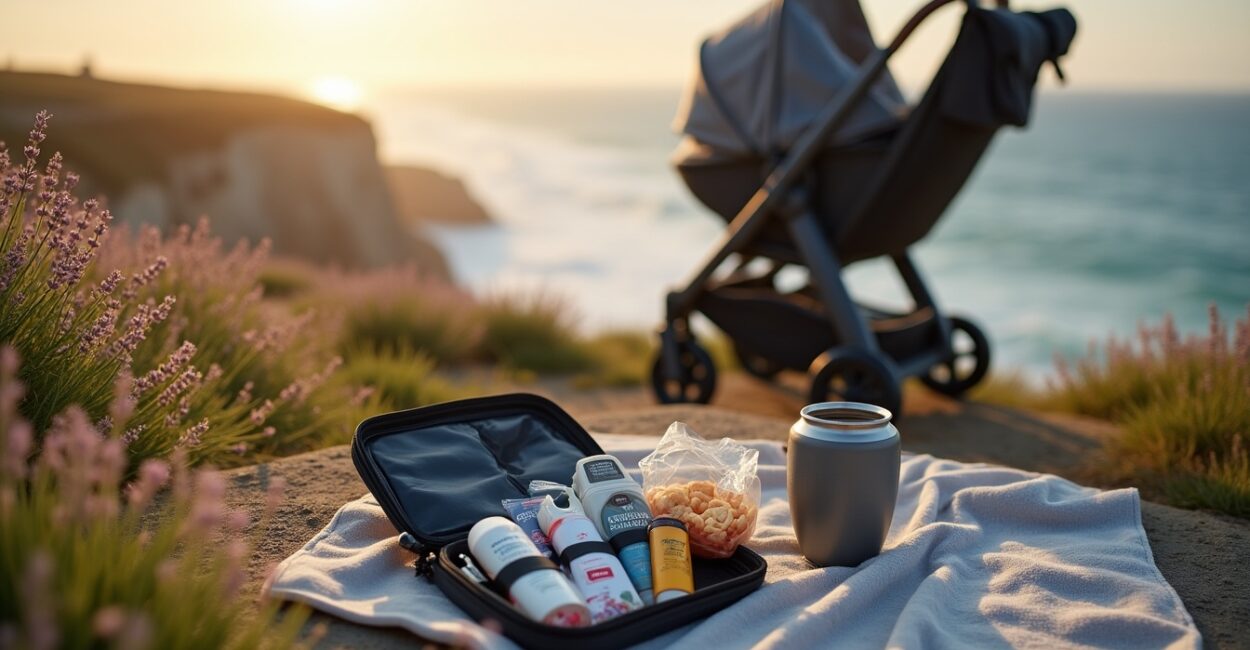
You’re midway up a coastal lookout, the baby’s stroller parked by a wildflower patch, and suddenly the day can go one of two ways: blissful nap with coffee, or a slow-motion meltdown because someone forgot sunscreen and snacks. Scenic stroller routes promise views and fresh air—but only if your pack is committed to the mission. This checklist helps you bring comfort, weather-ready gear, snacks, and a tiny toolkit so outings stay smooth and kids stay happy.
Contents
ToggleEssentials You Actually Need Before Stepping Onto a Scenic Stroller Route
Start with three items you won’t regret: a lightweight blanket, a compact first-aid kit, and a weatherproof cover. Those three solve most problems—warmth, small injuries, and sudden rain or wind. Think of them as non-negotiables. Everything else is additive depending on length of the route and the season.
- Blanket for shade, picnics, or an impromptu nap spot
- First-aid kit with plasters, antiseptic, and a blister pad
- Waterproof stroller cover or poncho for child and stroller
The Weather Kit That Turns a Ruined Day Into a Memorable One
Weather on lookouts can flip fast—sunny trailhead, windy ridge, drizzle at the viewpoint. Pack layers for the child and one extra layer for you. A small, compressible puffer, a sun hat, and a lightweight rain shell make all the difference. Add sunscreen and a UV mesh cover for stroller sun protection on bright days.
- Light puffer or fleece (compressible)
- Waterproof shell or stroller rain cover
- Hat, sunscreen (SPF 30+), and sunglasses
Snack Strategy: What to Bring and How to Pack It
Hungry kids end scenic routes early. Plan for three easy-access snacks per child—one for the start, one mid-route, one at the lookout. Pack a mix of carbs, protein, and a treat. Use clear, resealable pouches so you can grab without stopping a stroller (or digging through a big bag).
- Whole-grain crackers, cheese sticks, or nut butter pouches
- Fruit: apples, bananas, or dried mango in small bags
- One small treat (a cookie or chocolate) for incentive
Quick Repairs and Stroller Survival Tools
Flat tire? Loose screw? A micro-tool kit and duct tape can save your day. Include a tire inflation mini-pump or CO2 cartridge if your stroller has pneumatic tires. A spare strap or zip ties can secure a broken hinge until you get home. These are the items you’ll thank yourself for—often silently, with a hot coffee afterward.
- Multi-tool with screwdriver
- Mini-pump or CO2 inflator for pneumatic tires
- Zip ties, safety pins, and a small roll of gaffer or duct tape
Comfort Items That Matter More Than You Think
Comfort isn’t luxury here—it’s the difference between a two-hour adventure and a five-minute turnaround. Bring a familiar blanket or small toy and a portable white-noise device or app for naps. Cushions or stroller liners can reduce chafing on longer walks. Don’t forget extra socks—wet shoes ruin moods faster than anything.
- Favorite small toy or lovey
- Stroller liner or cushion for long routes
- Extra socks and a change of clothes
Mistakes Parents Make on Scenic Stroller Routes (and How to Avoid Them)
Expectation vs. reality: people think “short walk” means minimal prep. That’s the trap. Common errors include underestimating weather shifts, packing perishable snacks without a cooler, and skipping a basic tool kit. Don’t assume cell service or restrooms at lookouts. Avoid these by prepping like you’ll be out twice as long as planned.
- Avoid: relying on heat in the car to dry wet clothes—bring extras instead
- Avoid: bulky lunch that’s hard to manage—choose compact, low-mess foods
- Avoid: leaving hydration to chance—carry water for everyone
Comparison: What a Well-packed Parent Brings Vs. An Unprepared One
Before: bulky backpack, soggy sandwich, no spare socks, stroller umbrella that blew off at the first gust. After: compact organizer with labeled pouches, insulated snack bag, zip-sealed spare clothes, and a sturdier shade. The difference is not more stuff—it’s smarter choices and better placement. Organized packs keep hands free, transitions fast, and moods calm.
- Before: digging for items at the viewpoint
- After: everything accessible in labeled pockets
Mini-story: We parked at a cliffside lookout for what would be ten minutes; a rain squall lasted an hour. A neighbor pulled out a tiny pump to fix a stroller wheel, another shared thermoses of warm tea, and a kiddo fell asleep under a familiar blanket. The small things turned a potential meltdown into an impromptu community moment.
Two reliable references: U.S. National Park Service tips on trail safety and packing basics help plan routes, while the CDC has clear guidance on child safety, hydration, and sun protection for outdoor activities. Check local park pages for specific stroller-friendly trail notes—many municipal and state parks publish route conditions and accessibility updates.
National Park Service trail safety and CDC guidance on staying safe with children outdoors are good starting points when you customize this checklist for your route.
Now go—bring the right things, keep it compact, and let the lookout do the rest. A well-packed bag doesn’t just protect against rain and scrapes; it buys you more time to watch the view.
How Do I Choose the Best Stroller for Scenic Routes?
Choose a stroller with sturdy wheels and good suspension if you expect gravel, packed dirt, or slight unevenness; three-wheel joggers often perform well on varied terrain. Prioritize a stroller that folds easily, has a reliable brake, and a decent weight capacity for gear. Test the maneuverability on a nearby park path before committing. Consider pneumatic tires for smoother rides but bring a mini-pump or patch kit. Comfort features—recline options and sun canopy—matter equally to keep kids calm and cozy.
What Are the Safest Snacks to Pack for Young Children?
Pick snacks that balance nutrition and low choking risk: thinly sliced soft fruit, spreadable nut or seed butter in pouches, and soft cheese sticks for toddlers who chew well. Avoid whole grapes, large chunks of hard fruit, and nuts for children under four unless they’re chopped finely. Pack wipes and a small waste bag to manage crumbs, and consider insulated pouches for items that need to stay cool. Always supervise eating while seated to reduce choking hazards, especially on uneven lookout benches or picnic rocks.
How Much Water Should I Bring on a Typical 2-hour Scenic Stroller Route?
Plan for at least 0.5 liters per adult and 0.25–0.5 liters per child for a two-hour outing in moderate temperatures; increase that amount in heat or during active periods. Portable electrolyte options or diluted juice can help on hot days or if the child is sweating a lot. If you’ll be near facilities, you can refill—otherwise bring extras in an insulated bottle to keep liquids cool. Remember hydration matters even on cloudy days, particularly on exposed lookouts where wind and sun increase fluid loss.
What Quick Repairs Should Be in My Stroller Toolkit?
A minimal but effective toolkit includes a multi-tool with Phillips and flathead bits, a small wrench, zip ties, a roll of gaffer tape, and a patch or inflator for pneumatic tires. Add a spare stroller strap or clip if your model uses specialty fastenings. These items let you handle common issues—loose screws, snapped clips, or minor wheel problems—without walking the route back to the car. Store everything in a small waterproof pouch labeled “stroller repairs” so you can find it in a hurry.
How Do I Keep a Sleeping Child Comfortable at a Windy Lookout?
Layering is key: use a breathable base layer, a thin blanket, and a windproof outer layer that won’t overheat the child. A stroller wind cover or a breathable mesh canopy helps block gusts while allowing airflow. Position the stroller with the child’s head slightly elevated and shielded from the wind, and tuck a favorite small lovey or a soft hat over the ears. Check frequently—wind chill can lower body temperature quickly—and have dry socks and an extra layer handy in case shoes or clothes get damp.