

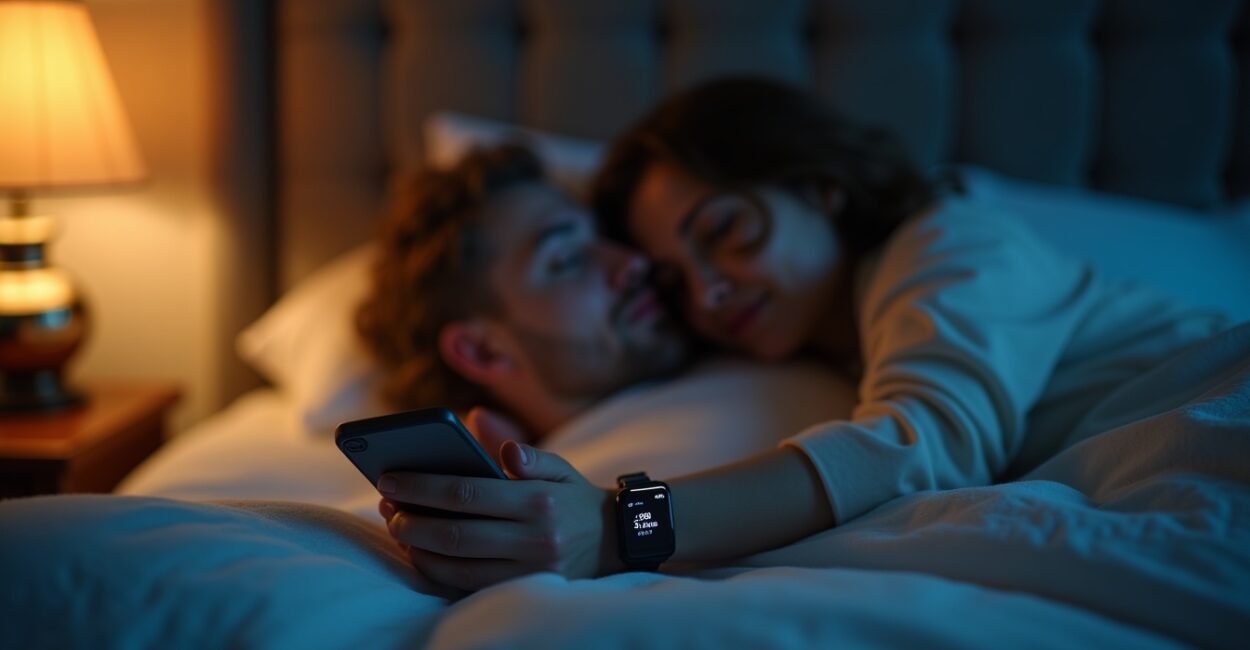
Two nights after buying a $40 wrist tracker I thought I’d cracked my sleep problem—until the app told me my “stress” spiked at 3 a.m. when my spouse was snoring. That moment—equal parts relief and doubt—captures why the surge of budget wearables is sparking debate online. Cheap devices promise health insights, but affordability often collides with accuracy. If you’ve ever wondered whether a budget band can actually measure stress reliably, read on—this isn’t about defending cheap tech or condemning it; it’s about spotting which ones are worth your trust.
Why People Celebrate Budget Wearables (and Why It Matters)
Affordability democratizes health data. For many, a $30 fitness band is the first step toward tracking sleep, steps, or heart rate—things they wouldn’t spend $300 on. That accessibility drives new users into healthier habits and sparks conversations online, from Reddit threads to TikTok reviews. But the benefits aren’t only financial: when more people monitor metrics like resting heart rate, we get bigger pools of behavioral data and earlier detection of patterns. Still, cheap doesn’t automatically mean useful—context and expectations matter.
The Mechanism That Nobody Explains Right: How Budget Devices Estimate Stress
Most budget wearables don’t read your emotions; they infer stress from proxies like heart rate variability (HRV), heart rate spikes, skin temperature, or movement patterns. Stress is an algorithm’s guess, not a diagnosis. The sensor suite and the software model are both critical: a decent photoplethysmography (PPG) sensor plus a noise-clearing algorithm can produce usable HRV estimates, but cheap optical sensors and crude filters create false positives—think “snoring = stress.” For deeper context, read technical overviews like those at NIST and university studies on HRV.

Expectation Vs. Reality: A Surprising Comparison
Expectation: a $40 band gives you clinically accurate stress readings like a lab device. Reality: many budget trackers can flag trends—higher nightly heart rates or worse sleep—but they miss nuance. The comparison looks like this: before (expensive medical-grade chest strap) you get raw ECG and precise HRV; after (budget wristband) you get smoothed heart-rate curves and trend flags. That gap means budget wearables are great for spotting direction (you’re more stressed this week) but poor for fine-grained claims (your HRV is exactly X ms). Use them as signal, not verdict.
How to Tell If a Cheap Wearable Might Actually Measure Stress Reliably
Look for three practical signs: decent sensors, transparent metrics, and firmware updates. A reliable budget model will list HRV or PPG hardware, explain its algorithms at least in plain language, and push regular software fixes. Bonus: devices that allow raw data export (or at least CSV summaries) let power users validate trends. Also check community feedback for consistent results across users—if multiple people report similar baseline readings and the company responds to issues, that’s promising. For broader health standards, consult resources like CDC for context on biometric monitoring.
Common Mistakes People Make When Judging Accuracy (what to Avoid)
People often blame the device for expected shortcomings. Typical errors include: assuming a single stress number is absolute truth, ignoring placement (loose bands ruin PPG), trusting first-night readings, and mixing device outputs from different brands. Don’t calibrate your life to one overnight score. Instead, compare trends across two weeks, wear the band consistently, and treat sudden outliers as prompts to investigate—sleep, caffeine, or movement—not instant medical alarms. These simple corrections cut false alarms dramatically.
A Short Scene: What a Real User Experience Looks Like
He bought a cheap tracker to stop wondering why mornings felt rough. Three mornings in, the app flashed “high stress” and suggested breathing exercises. He tried the exercises—felt calmer—and then checked the graph: his heart-rate spikes matched the morning dog-walk. The tracker didn’t diagnose anxiety; it nudged behavior. That little loop—data, small action, and feedback—was the device’s actual value. Tiny, imperfect nudges often change habits more than flawless lab readings ever do.
Buying Checklist: What to Prioritize When Choosing a Budget Wearable
Prioritize sensor clarity, update history, and community reports. Don’t chase brand names alone—inspect product pages for sensor specs (PPG vs. none), software transparency (does the app explain stress metrics?), and customer-service responsiveness. If a model lacks firmware updates or has wildly inconsistent community reviews, skip it. Quick checklist: good PPG sensor, HRV or stress-explained in app, export option, recent updates, stable band fit. Follow these and you’ll pick a device that signals useful stress trends without selling you certainty.
Budget wearables aren’t a scam—and they aren’t a replacement for clinical assessments. They’re tools that, when chosen wisely, turn curiosity into tiny, actionable insights. Pick the right one, keep expectations realistic, and treat its output as conversation starters with your life, not final verdicts from a sensor.
Can a Budget Wearable Replace a Medical Device for Stress Measurement?
Short answer: no. Budget wearables can track trends and flag potential issues, but they lack medical-grade sensors and validation. Clinical devices use ECG and controlled algorithms validated in studies; most cheap bands rely on optical sensors and heuristics that are sensitive to motion and placement. If you need a diagnosis or have a health condition, consult a clinician and use validated equipment. For everyday monitoring—habit nudges, sleep trends, and noticing spikes—a budget wearable can be a helpful adjunct, not a substitute for professional care.
How Accurate is Stress Measurement from Heart Rate Variability on Cheap Trackers?
Accuracy varies widely. HRV derived from wrist-based PPG on low-cost bands is noisy because movement, poor contact, and cheap optics distort the signal. Over long periods, trending HRV can be informative—showing directional change—but individual readings may be unreliable. Accuracy improves with better sensors, solid algorithms, and stationary conditions (like during sleep). If HRV matters to you, favor devices that document their HRV method and offer raw-data export so third-party tools can validate or reprocess the readings for more confidence.
What Are Immediate Signs a Budget Wearable’s Stress Readings Are Bogus?
Watch for erratic spikes that don’t match your experience (e.g., stress during calm, sedentary periods), wildly different values each night, or identical readings across different users on the same firmware—these suggest algorithmic artifacts. Also beware devices that never update or whose community reports consistent inaccuracies. If breathing exercises or real-life events don’t correlate with app suggestions, treat the data skeptically. Simple fixes like tightening the band or updating firmware sometimes resolve issues, but persistent mismatch is a red flag.
Are There Brands or Models That Stand Out Among Budget Options?
Some lower-cost brands invest more in sensor quality and software transparency, but offerings change fast. Instead of chasing a brand, evaluate current models by specs: mention of PPG/HRV, firmware update cadence, export options, and active user communities. Look for independent reviews and tests comparing HR or sleep accuracy. The best budget picks balance hardware competence with responsive software—features that surface in user forums, changelogs, and reputable review sites. Prioritize models with evidence of consistent performance over flashy marketing claims.
How Should I Use Stress Data from a Budget Wearable to Actually Improve My Life?
Use it as feedback for tiny experiments: change one variable (reduce caffeine, adjust bedtime, add a 10-minute walk) and watch two weeks of trends. Treat spikes as clues to investigate causes, not as definitive diagnoses. Combine wearable data with simple journaling—note sleep, meals, and mood—and look for patterns. If a device nudges you to breathe, try it and see if sleep or morning mood improves. Over time, these small iterative changes—guided by imperfect data—create meaningful shifts in behavior and wellbeing.