

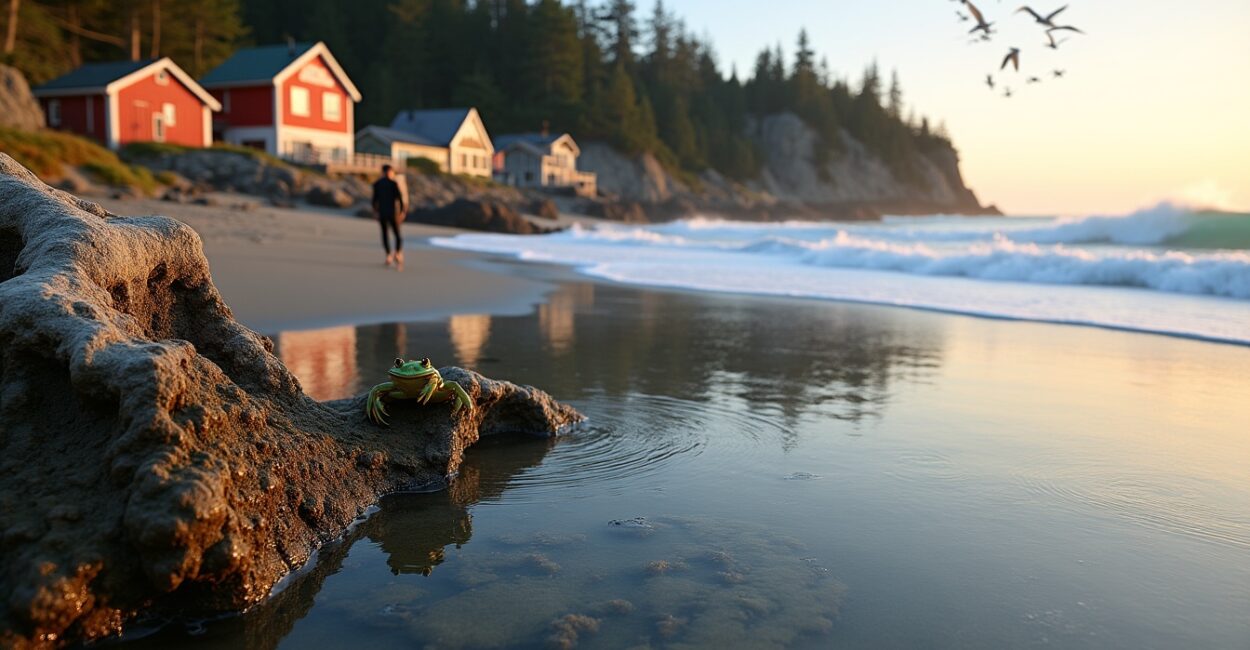
Imagine salt spray on your face, endless horizons, and surfable breaks whispering your name — that’s the pull of Canadian coastlines. These shores blend rugged wilderness, charming fishing villages, and world-class waves like Tofino and Peggy’s Cove.
Interest in Canadian coastlines is rising as travelers seek nature-first escapes and surf-friendly spots. This article explores why these coastal gems matter now and how to experience them responsibly, with practical tips for discovery.
Read on to uncover hidden coves, surf seasons, conservation notes, and travel-ready advice that will make your next coastal trip unforgettable.
Why Canadian Coastlines Are Capturing Imaginations
Wild Beauty That Feels Personal
The Canadian coastlines offer dramatic cliffs, windswept beaches, and dense coastal forests that feel like private worlds. They spark curiosity and quiet reflection on nature’s scale.
Every shoreline tells a story: ancient geology, migratory birds, and human settlements shaped by the sea. That sense of history deepens the visit.
Surf Culture Meets Remote Charm
Places like Tofino and Nova Scotia’s surf spots blend surf culture with small-town warmth. Locals often share tips about best tides and hidden breaks.
Surfing here isn’t just sport; it’s a way to connect with coastal ecosystems and communities, creating memories beyond the ride.
Top Coastal Gems to Visit Now
Must-see Highlights
- Tofino: epic waves and rainforest access
- Peggy’s Cove: iconic lighthouse and tide pools
- Fundy Coast: dramatic tides and fossil hunting
- Gros Morne: fjords and geological wonders
Each of these spots showcases unique coastal features: tidal phenomena, surfable breaks, and photogenic lighthouses that draw visitors year-round.
Seasonal Timing and Crowd Tips
Peak summer brings warm weather but more people. Shoulder seasons offer calmer crowds and active wildlife sightings along Canadian coastlines.
Plan around tide tables and local events to maximize solitude or take advantage of community festivals celebrating coastal life.
Sustainable Travel and Coastal Conservation
Protecting Fragile Shorelines
Responsible travel keeps beaches pristine and habitats intact. Simple actions like packing out trash and staying on marked trails matter deeply.
Supporting local conservation groups helps maintain the beauty and biodiversity of Canadian coastlines for future generations to enjoy.
Community-led Stewardship
Many coastal communities lead restoration and education efforts. Engaging respectfully with Indigenous stewards enriches your understanding of the land.
Volunteer opportunities and donations to local organizations directly support shoreline resilience and sustainable tourism practices.
Practical Planning: When to Go and What to Pack
Best Times to Visit
- Check local surf seasons for ideal waves and conditions.
- Choose shoulder months for fewer crowds and pleasant weather.
- Plan for colder water — bring a suitable wetsuit.
- Monitor tide charts for safe beach exploration.
Timing your trip affects everything: surf quality, wildlife sightings, and accessibility. Canadian coastlines vary widely by region and season.
Packing Essentials and Safety
Weather can change fast: layers, waterproof gear, and sturdy footwear are essential. Always carry a charged phone and emergency kit.
Respect marine warnings and local advisories. Being prepared means a safer, more enjoyable coastal experience for you and others.
Surf Spots and Beginner-friendly Beaches
Where to Learn and Progress
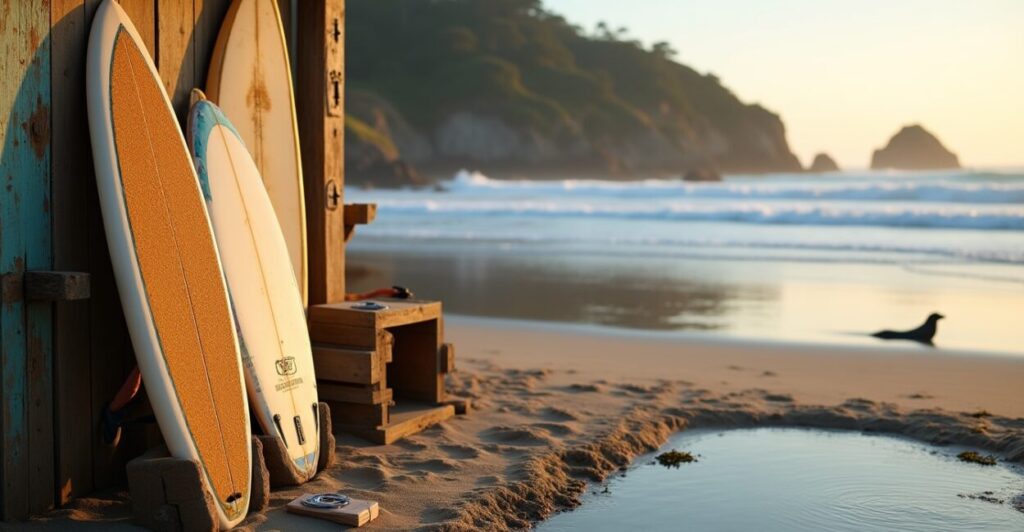
- Tofino, BC — consistent breaks and surf schools
- Lawrencetown, NS — reliable beach breaks for all levels
- Long Beach, BC — variety of waves and surf shops
- Parrsboro, NS — calmer bays for beginners
Surf lessons and board rentals are common at major surf hubs. Instructors ensure you learn safely while respecting local conditions.
Wave Types and Local Etiquette
Understanding point, reef, and beach breaks helps you choose the right spot. Local etiquette keeps lineups friendly and safe.
Always ask about currents and hazards before paddling out. Respect for locals and wildlife preserves the spirit of coastal communities.
Logistics: Access, Transport, and Local Stays
Getting to Remote Shores
Many coastal gems require a mix of driving, ferries, or short flights. Plan accommodations and transport ahead, especially in peak season.
Local ferry schedules and weather can affect access. Flexibility and advance bookings reduce stress and help you enjoy the journey.
Best Places to Stay
Choose boutique inns, surf lodges, or eco-cabins to support local economies. Booking with locally owned businesses keeps tourism benefits close to communities.
Consider campgrounds for immersive coastal nights, but follow fire regulations and leave-no-trace principles to protect fragile ecosystems.
Photographing the Coast: Tips for Unforgettable Shots
Composition and Light
Golden hour and moody overcast skies both work wonders. Use foreground interest like driftwood or rocks to add depth to images.
Experiment with long exposures to smooth waves and capture dynamic cloud movement along Canadian coastlines for dramatic effects.
Respectful Photography Practices
Prioritize wildlife welfare and private property boundaries. Avoid disturbing nesting areas and always ask permission for portraits.
Share photos that inspire conservation and curiosity, not overcrowding. Thoughtful images help tell the deeper story of each coastal place.
Conclusion
Canadian coastlines combine raw beauty, surfable waves, and cultural richness that make every visit meaningful. Whether you’re chasing waves or quiet coves, these shores invite curiosity and care.
Return home with stronger respect for nature and stories worth telling — and maybe a postcard-perfect sunset etched in memory. Ready to explore responsibly?
Faq (perguntas Frequentes)
What Are the Best Months to Surf Along Canadian Coastlines?
The best months vary by region: spring and fall often offer consistent swells on the Pacific and Atlantic coasts, while summer provides warmer water but smaller waves. Tofino’s fall swells are renowned, and Nova Scotia’s late summer to autumn can be excellent. Check local surf reports and weather forecasts for optimal timing, and always consider wetsuit thickness for colder seasons to stay comfortable.
How Can I Minimize My Environmental Impact on Coastal Visits?
Minimize impact by following leave-no-trace principles: pack out all waste, avoid trampling dune vegetation, and use established trails. Support local conservation groups and businesses that practice sustainability. Respect wildlife by keeping distance and adhering to seasonal closures. Reduce plastic use, choose eco-friendly gear, and spread awareness by sharing responsible travel habits to help protect Canadian coastlines for future visitors.
Are There Beginner-friendly Surf Schools on the Canadian Coastlines?
Yes, many coastal towns offer qualified surf schools catering to beginners, especially in Tofino, Lawrencetown, and Long Beach. Instructors provide lessons, equipment rental, and safety briefings tailored to local conditions. Choose schools with certified instructors and good reviews, and confirm group sizes and wetsuit availability. Beginner lessons emphasize ocean safety, paddling technique, and etiquette for a confident start to surfing adventures.
What Wildlife Might I Encounter Along These Coasts?
Coastal wildlife includes seabirds, seals, sea lions, and seasonal whales like humpbacks and orcas in certain regions. Tide pools host starfish, anemones, and crabs, while coastal forests shelter diverse bird species. Observe wildlife from a distance, avoid feeding animals, and use binoculars or zoom lenses for close views. Guided tours can offer informed wildlife encounters while prioritizing animal welfare and habitat protection.
How Do I Plan Transport and Accommodations for Remote Coastal Areas?
Plan transport by checking ferry schedules, regional flights, and road conditions ahead. Book accommodations early in peak seasons and consider locally owned inns, surf lodges, or campgrounds for authentic stays. Factor in weather-related delays and rental car needs. Research amenities, nearby services, and emergency contacts. Flexibility and advance planning ensure smoother travel to the scenic but sometimes remote Canadian coastlines.
External sources: Destination BC, Nature Conservancy of Canada, Environment and Climate Change Canada.