

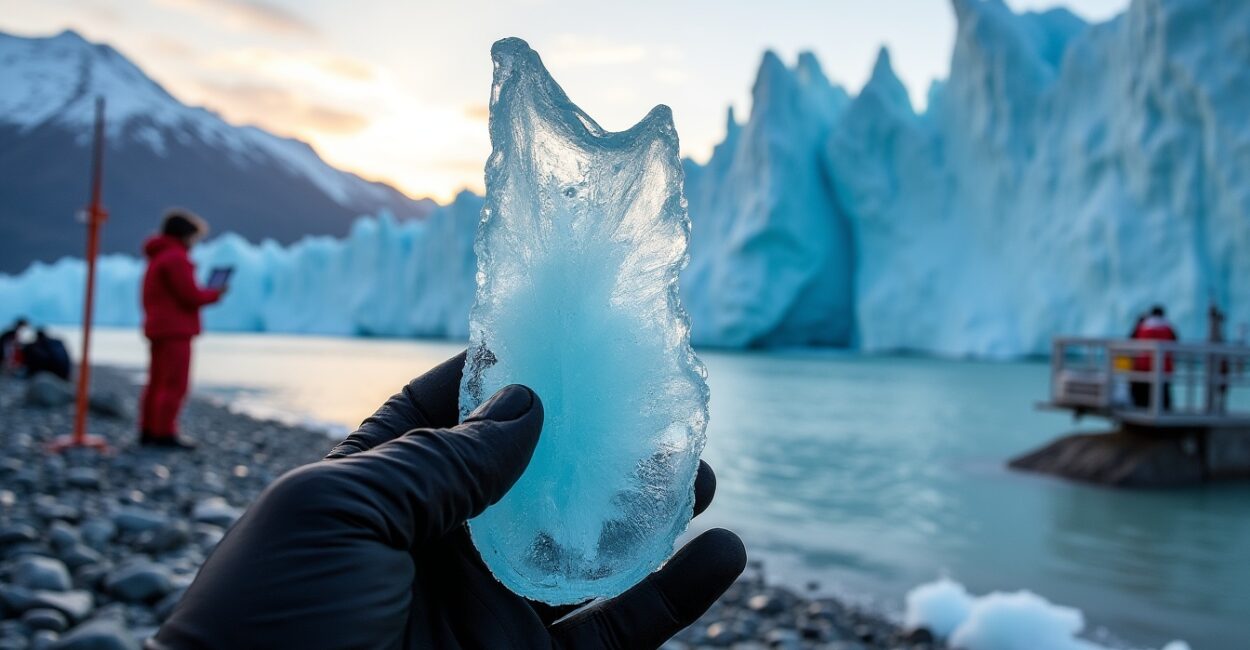
Los Glaciares evokes raw, moving ice — a living landscape where calving thunder and blue cliffs redraw the map of Patagonia. Visiting now feels urgent: Perito Moreno’s changing faces reveal secrets once hidden beneath centuries of compacted snow.
In 2025, Los Glaciares is central to climate storytelling, tourism innovation and scientific discovery. New viewing platforms, shifting ice cliffs and evolving access routes mean travelers and researchers witness transformation in real time.
This article explains why Los Glaciares matters in 2025, how Perito Moreno’s new perspectives reshape our understanding of the Patagonian ice field, and what practical steps you can take to experience and protect this world-class landscape.
Why Los Glaciares Captures Global Attention
Ice Drama and Scientific Urgency
Los Glaciares displays dramatic calving events and measurable retreat, making it a focal point for climate research. Scientists track mass balance and changes across the Patagonian ice field.
Perito Moreno’s behavior — occasional stability amid regional retreat — offers clues about glacial dynamics and melting patterns that affect sea-level projections and biodiversity.
Tourism, Heritage and Emotional Resonance
Tourists flock to witness blue ice cliffs, walkboard viewing points, and boat approaches that reveal hidden faces of the glacier. The experience connects visitors emotionally to climate change.
Local communities near El Calafate rely on sustainable tourism, linking heritage, nature conservation, and regional economies while advocating for responsible access to protected areas.
Perito Moreno: Changing Faces and New Perspectives
What’s Shifting at Perito Moreno
Perito Moreno shows variable calving rates and evolving terminus shapes. New exposures reveal previously covered ice cliffs and deep stratifications within the glacier’s face.
These changes provide rare visual data for glaciologists and stunning, sometimes unsettling vistas for visitors on newly built vantage points and catwalks.
How New Platforms Change the View
Viewing platforms now extend into previously unseen sightlines, offering panoramic views of the glacier, hidden seracs and ice caves. Accessibility improvements enhance safety and perspective.
Platforms designed for minimal impact help manage visitor flows, protect fragile moraines, and keep observation points stable against erosive forces.

Access and Visitor Experience in 2025
Getting to Los Glaciares
El Calafate remains the main gateway, with regional flights and shuttle services. Road improvements and guided day tours streamline access to Perito Moreno and surrounding sites.
Advance booking is crucial in peak season; sustainable operators offer small-group options that reduce footprints and increase interpretive quality.
Maximizing Your Visit
Choose guided treks, boat cruises, and elevated platforms for varied perspectives. Wear layered gear and bring a long lens to capture changing ice textures and wildlife.
Respect park rules, stay on marked paths, and support certified local guides to ensure a safe, informative and low-impact experience.
Conservation, Research, and Local Communities
Scientific Monitoring and Collaboration
Research teams monitor ice mass, flow rates, and calving events using remote sensing, GPS stations, and on-site observations. Data informs global climate models.
Collaborations among universities, park authorities and NGOs expand long-term datasets and fund community-based conservation projects.
Community Stewardship and Sustainable Tourism
Local stewardship initiatives link livelihoods with conservation. Artisans, guides and small businesses benefit from tourism while investing in habitat protection.
Programs focus on education, waste management, and Indigenous cultural recognition to align economic development with environmental care.

Practical Planning: Safety, Gear, and Responsible Travel
Safety Essentials for Glacier Visits
Dress for cold, wind and rapid weather shifts. Use waterproof layers, sturdy boots, sunglasses and sunblock — reflection off blue ice intensifies UV exposure.
Follow guide instructions on boat approaches and boardwalks. Avoid unauthorized ice travel and respect exclusion zones to minimize risk.
Responsible Travel Checklist
- Book with certified, local operators and guides.
- Respect trail boundaries and noise regulations.
- Carry reusable water and pack out all waste.
- Learn basic Leave No Trace principles and follow them strictly.
These steps protect fragile ecosystems, ensure continued access, and support community resilience around Los Glaciares and Perito Moreno.
Sightlines and Data: What New Platforms Reveal
Fresh Visual Data from Viewpoints
Extended platforms expose hidden ice cliffs, crevasse networks and undercut faces once visible only by boat or drone. Photographic records feed scientific analysis.
High-resolution timelapse and visitor photography have revealed short-term dynamics and episodic calving events critical to understanding glacier response.
Balancing Access with Protection
Designers now create minimally invasive platforms that limit erosion and habitat disturbance. Interpretation panels explain ice processes and promote stewardship.
Balancing public enjoyment with conservation helps maintain the integrity of Los Glaciares and its surrounding Patagonian landscape.
Practical Snapshot: Quick Facts and Comparisons
Key Metrics for Visitors and Researchers
Know basic figures: park area, nearest town, seasonality and most accessible viewpoints. These metrics help plan efficient, meaningful visits.
Comparative context—how Perito Moreno differs from other Patagonian outlets—guides expectations for calving frequency and visitor experiences.
Prepare with Concise Information
Bring permits, check weather and park advisories, and consider seasonality when planning photo opportunities and excursions near ice cliffs.
Understanding these factors leads to safer, more rewarding encounters with the glacier’s shifting faces.
| Item | Perito Moreno | Other Patagonian Outlets |
|---|---|---|
| Accessibility | High — boardwalks and boats | Variable — often boat or trek only |
| Calving frequency | Frequent visible events | Less predictable |
| Viewing options | Multiple platforms, cruises | Limited overlooks |
| Research presence | Strong monitoring programs | Growing but patchy coverage |
Conclusion: Why Visit, Study, and Protect Los Glaciares Now
Los Glaciares is a living classroom and a visceral reminder of planetary change. Perito Moreno’s newly exposed ice cliffs and viewing platforms let us witness processes that inform climate science and inspire conservation.
Visiting responsibly connects emotion with action: you see, you learn, and you support protection — ensuring these icy faces remain part of our shared future.
Faq
What Makes Perito Moreno Unique Compared to Other Glaciers in Los Glaciares?
Perito Moreno stands out because it remains one of the few large glaciers with relatively stable terminus behavior while nearby outlets retreat. Its frequent calving and accessible boardwalks allow close observation of ice dynamics. This accessibility provides unmatched opportunities for tourists and researchers to document rapid changes and gather data in real time.
Are the New Viewing Platforms Safe and Eco-friendly?
Modern platforms are engineered for visitor safety and minimal environmental impact. Designers use elevated, non-invasive supports to reduce erosion and preserve vegetation. Park authorities require maintenance and enforce capacity limits to protect the landscape while enabling observation, education, and scientific documentation in a more sustainable manner.
How Can Travelers Minimize Their Impact When Visiting Los Glaciares?
Travelers should book certified guides, stay on marked paths, carry reusable supplies, and adhere to park rules. Supporting local businesses and conservation programs helps fund protection. Small actions—avoiding single-use plastics, respecting wildlife, and learning about glacial processes—amplify positive effects on the fragile Patagonian ecosystem.
What Scientific Research is Currently Focused on Los Glaciares?
Research targets mass balance, flow dynamics, and calving mechanisms, using satellite imagery, GPS stations, and on-site observations. Scientists study Perito Moreno’s anomalies and compare them to regional trends to refine sea-level models. Collaborative projects involve universities, park services, and NGOs to expand long-term datasets and public understanding.
When is the Best Time of Year to Visit for Dramatic Views and Safe Access?
Late spring to early autumn (November to March) offers milder weather, longer daylight, and most stable access to viewpoints and boat tours. Shoulder seasons can provide fewer crowds and vivid weather contrasts, but always verify local conditions and park advisories, as Patagonian weather can change rapidly and affect safety and visibility.
Further reading: official park information at Argentina Parks, UNESCO context at UNESCO World Heritage Centre, and recent research summaries via Nature.