

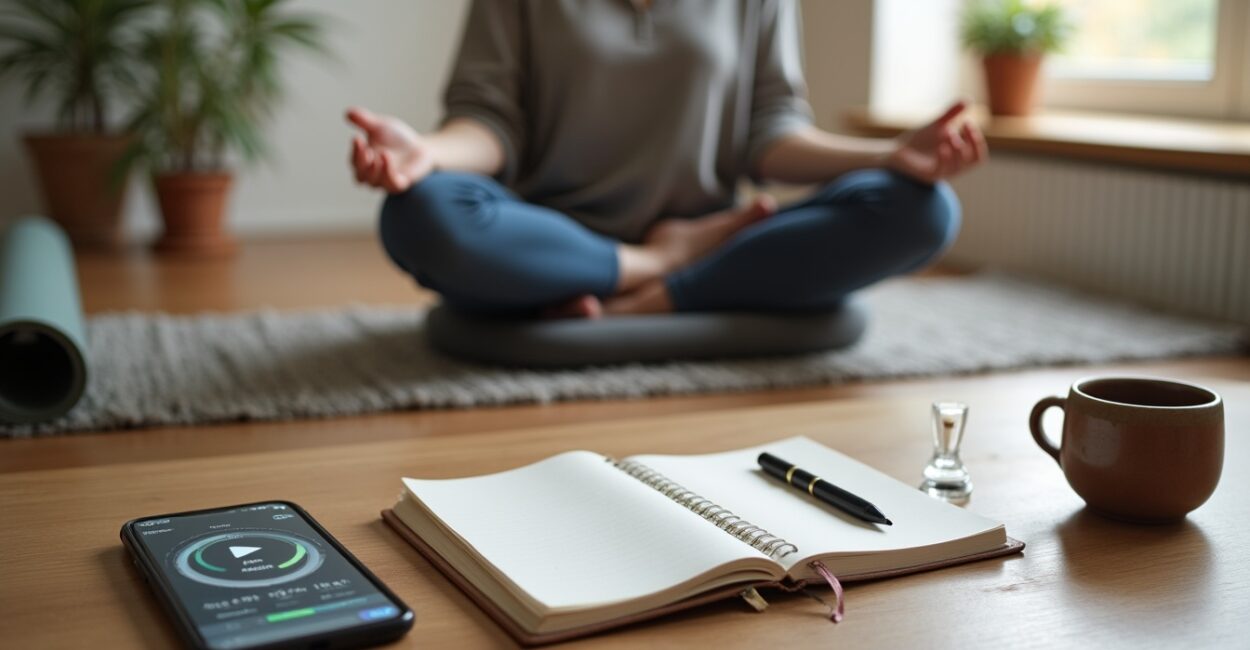
Mindfulness practices are simple, evidence-informed habits—like body scans and breath work—that recent trials suggest can lower stress and boost clarity. This article explains what these practices are, why they matter now, and how to try seven proven techniques including apps like Insight Timer.
Stress levels remain high worldwide, and accessible tools matter. We’ll prioritize mobile-first guidance, UX-friendly steps, and research-backed methods so you can start today and feel measurable relief.
Read on to discover seven practical mindfulness practices, short daily routines, app recommendations, and precise steps to make them stick—designed for quick scanning and real-world results.
1. Quick Daily Body Scan: Reconnect With Your Sensations
What a body scan does
A body scan heightens interoception, reduces tension, and shifts attention from rumination to present-moment sensation. It’s one of the most accessible mindfulness practices for stress reduction.
How to fit it into your day
Five to ten minutes after waking or before bed is ideal. Use a guided script or an app to stay focused and gentle. Consistency matters more than duration.
2. Breath Work Techniques For Instant Calm
Simple breath exercises
Diaphragmatic breathing, box breathing, and 4-6-8 breaths lower heart rate and calm the nervous system quickly. They’re core mindfulness practices for moments of overwhelm.
When to use breath work
Use breath work before stressful calls, during commute spikes, or when sleep eludes you. Practice daily to strengthen your stress-response resilience over time.
- Diaphragmatic inhale: 4 counts, exhale: 6 counts.
- Box breathing: inhale 4, hold 4, exhale 4, hold 4.
- Counting breaths: notice inhale-exhale cycles for two minutes.
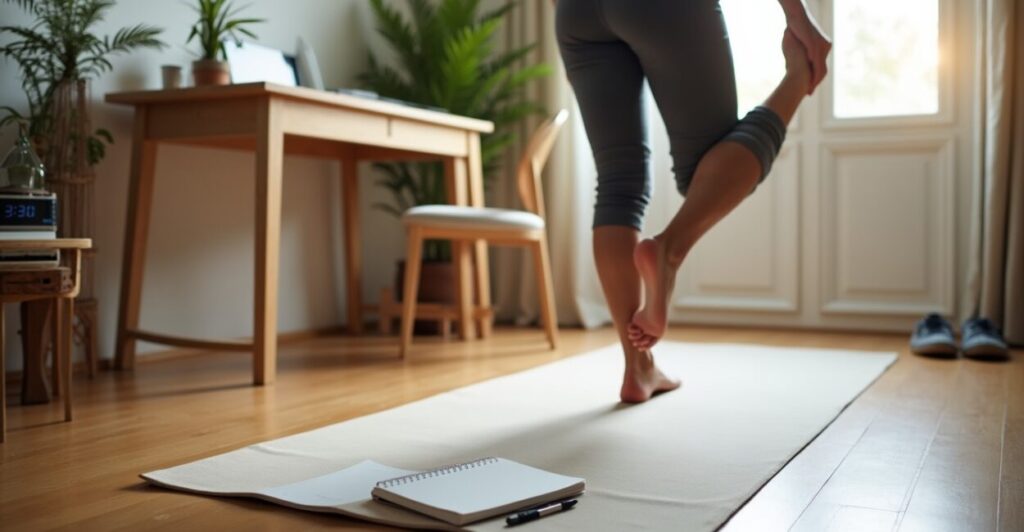
3. Mindful Movement: Walking And Stretching
Why movement matters
Conscious walking or stretching integrates body awareness with breath, releasing trapped stress and grounding attention. It blends exercise and mindfulness practices seamlessly.
Short movement routines
Try three-minute standing stretches, ankle rolls, and mindful steps. These micro-practices interrupt autopilot and restore presence during long work sessions.
4. Guided Meditation And Apps (Insight Timer And More)
Choosing the right app
Apps like Insight Timer, Headspace, and Calm offer guided body scans and breath work, community courses, and tracking. Pick one with a voice and features you trust.
How to structure app sessions
Start with 5–10 minute guided sessions, then extend. Track mood before and after to notice changes. Consistent micro-sessions outperform sporadic long sits.
- Insight Timer — large free library, community groups, timers.
- Headspace — structured programs for beginners.
- Calm — sleep-focused meditations and soundscapes.
| Practice | Duration | Primary benefit |
|---|---|---|
| Body scan | 5–20 min | Reduced muscle tension |
| Breath work | 1–10 min | Immediate calm |
| Mindful walking | 3–15 min | Grounding and clarity |
5. Focused Attention And Open Monitoring Meditation
Focused attention basics
Focused attention anchors to the breath or a sensation. It trains concentration and reduces intrusive thoughts that fuel stress in daily life.
Open monitoring explained
Open monitoring observes thoughts without reaction, cultivating equanimity. It complements focused practice and enhances emotional regulation.
- Sit comfortably and relax your shoulders.
- Focus on your breath; notice air entering and leaving.
- If mind wanders, label the thought briefly, then return.
- End by noting one sensation and opening your eyes slowly.
6. Informal Mindfulness: Bring Practice Into Tasks
Everyday mindful moments
Turn routine tasks—washing dishes, showering, or commuting—into mindfulness practices by fully attending to senses and movements without judgment.
Micro-practices that stick
Set gentle reminders—alarms or visual cues—to pause and breathe. Small, frequent practices accumulate into meaningful resilience over weeks.
7. Building A Habit: Sequencing, Tracking, And Community Support
How to sequence practice
Start with short practices and gradually increase. Combine a morning body scan, midday breath work, and evening reflection to form a sustainable routine.
Using tracking and community
Track sessions in an app or journal to measure progress. Join group meditations or online communities for accountability and shared learning.
Conclusion: Mindfulness practices—body scans, breath work, guided meditations, and simple mindful movements—offer reliable, research-backed stress relief. Begin with short, repeatable routines, use apps like Insight Timer to guide you, and notice small shifts in mood and focus. Return to the opening promise: these seven practices are practical, mobile-friendly, and designed for measurable change.
Frequently Asked Questions
What are the quickest mindfulness practices I can do anywhere?
The fastest mindfulness practices include breath work, a one-minute body scan, and mindful grounding (5 senses check). Each takes under two minutes, reduces physiological stress, and can be done discreetly during a break, commute, or between meetings to regain clarity and calm.
How often should I practice to see benefits from mindfulness practices?
Daily micro-sessions of five to ten minutes generally produce noticeable benefits within weeks. Consistency matters more than session length; three to five days a week creates momentum, while tracking sessions helps you maintain practice and measure real stress reduction.
Are apps like Insight Timer effective compared to in-person classes?
Apps provide accessible guided meditations, timers, and community features that are effective for many people. They complement in-person instruction; use apps for daily practice and occasional workshops or teachers for deeper guidance and personalized feedback.
Can mindfulness practices help with anxiety and sleep problems?
Mindfulness practices often reduce anxiety by calming the nervous system and increasing emotional regulation. Practices focused on breath and body scans before bed can improve sleep onset and quality by shifting attention away from rumination to bodily sensations.
How do I choose which mindfulness practices will work best for me?
Experiment briefly with different techniques—breath work, body scan, walking, and guided meditations—and note which reduce your stress most effectively. Personal preference and consistency determine success; choose practices that fit your schedule and feel sustainable.
References: Research summaries and app details referenced from reputable sources such as the American Psychological Association (apa.org) and peer-reviewed summaries available via PubMed (pubmed.ncbi.nlm.nih.gov).