

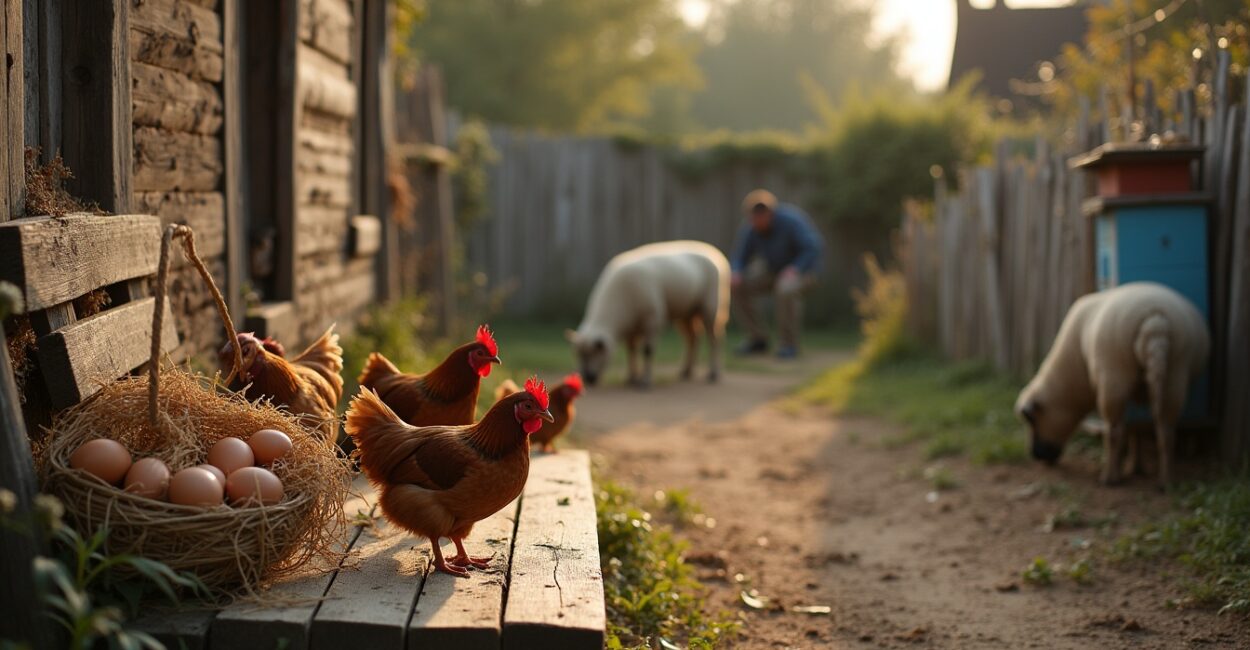
Imagine mornings filled with gentle clucks, woolly silhouettes grazing the lane, and a loyal canine patrolling the hedgerows—country pets bring that calm, practical joy to rural life. Country pets are animals kept primarily in rural settings for companionship, utility, or landscape care, and they enrich smallholdings and farms.
In 2025, choosing the right country pets means balancing temperament, maintenance, and ecological benefit—whether you want backyard chickens for eggs, a sheep breed that controls grass, or a mixed flock that supports biodiversity. This guide explores five ideal country pets and practical, future-ready ways to care for them.
Read on to discover which country pets suit different rural goals, how to introduce them to your land, and smart management tips that respect animal welfare and improve your property’s productivity.
1. Backyard chickens: eggs, pest control, and neighborhood charm
Why chickens thrive in smallholdings
Backyard chickens are low-cost, productive, and sociable, ideal for rural families seeking fresh eggs and natural pest control. They adapt to coops, runs, and free-range paddocks.
They also contribute to soil fertility with nutrient-rich manure and help reduce insects and slugs, improving garden health with minimal chemical use.
Choosing breeds for purpose and climate
Select robust layers like Rhode Island Reds or Sussex for reliable eggs and easy handling in varied weather and pasture conditions.
Foragers such as Australorps and dual-purpose birds suit mixed gardens, combining egg production with insect foraging and weed control.
2. Working dogs: guardians, herders, and partners on the land
Roles country dogs fill on rural properties
Working dogs protect livestock, herd sheep, and deter predators, serving as indispensable partners for remote and small-scale farmers.
They also provide companionship and increase safety, especially on properties where livestock guardian traits or herding skills are essential.
Training and temperament considerations
Prioritize early socialization and purpose-specific training to build a reliable routine for guardianship, herding, or search tasks.
Matching breed instinct to your needs reduces stress—for example, border collies for herding, and Great Pyrenees for guardian duties.
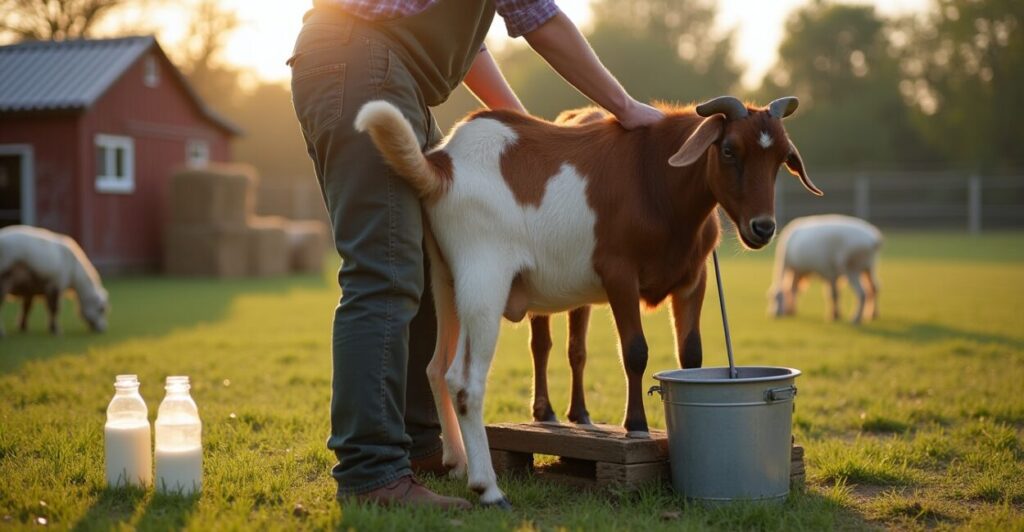
3. Dairy goats and micro-dairy setups for sustainable milk
Why goats suit modern small farms
Goats thrive on varied forage, require modest shelter, and fit micro-dairy models, supplying milk for family use or artisanal products.
Their browsing habits reduce brush and promote biodiversity by opening dense undergrowth while producing manure for composting.
Care essentials and milking routines
Establish a consistent milking schedule, maintain clean housing, and monitor hoof and udder health to prevent mastitis and lameness.
Good fencing and herd health planning ensure sustainable yields and protect goats from predators and nutritional stress.
4. Herdwick sheep and pasture management for ecological grazing
Herdwicks as living lawnmowers
Herdwick sheep are hardy, low-input grazers excellent for grass control, erosion reduction, and maintaining open habitats on hilly acres.
Their woolly coats and robust foraging make them suited to rough pastures where chemical control isn’t desirable or feasible.
Integrating Herdwicks with landscape goals
Use rotational grazing to prevent overgrazing, improve sward diversity, and reduce parasite loads while enhancing soil structure.
Pair Herdwicks with hedgerow planting and simple fencing to create wildlife corridors and boost pollinator habitats.
| Country Pet | Primary Benefit | Average Annual Care Cost |
|---|---|---|
| Backyard chickens | Eggs, pest control | $150–$400 |
| Working dog | Livestock protection/herding | $600–$1,200 |
| Dairy goats | Milk, brush control | $300–$800 |
| Herdwick sheep | Grass management, habitat maintenance | $200–$600 |
- Provide secure, predator-proof housing and fresh water daily.
- Rotate pastures seasonally to protect soil and reduce parasites.
- Maintain vaccination and veterinary checks on a yearly plan.
5. Bees and pollinators: tiny country pets with big returns
Pollination and product benefits
Bees boost crop yields, support wildflowers, and produce honey, wax, and propolis, adding ecological value and potential income streams.
Integrating hives increases biodiversity and improves fruit set for orchards and vegetable plots while teaching stewardship of ecosystems.
Practical hive management basics
Inspect hives regularly, monitor for pests like varroa, and provide forage diversity through native planting and seasonal water sources.
Local beekeeping groups are vital for region-specific guidance and swarm management; join networks for practical support.
- Assess your land and legal rules before acquiring animals.
- Prepare secure housing and appropriate fencing immediately.
- Introduce animals slowly, following quarantine and health checks.
- Establish feeding, cleaning, and grazing schedules and stick to them.
- Monitor health and consult a vet at the first sign of illness.
6. Mixed-species balance: designing a resilient country pets system
Complementary combinations that work well
Mixing chickens with goats reduces pests and optimizes space—chickens clean up feed, goats browse taller plants, and sheep manage grass.
Strategic pairings lower input costs and spread labor across the season, creating a resilient, productive smallholding system.
Biosecurity and welfare priorities
Limit disease transmission with dedicated tools, footbaths, and clear feed zones; keep records of treatments and breeding cycles.
Plan shelter for mixed weather, separate vulnerable animals during lambing or kidding, and monitor interactions to prevent stress.
7. Practical finances and legal considerations for country pets in 2025
Budgeting for start-up and ongoing costs
Factor in one-time investments like housing, fencing, and initial veterinary checks, plus recurring feed, bedding, and vet care costs.
Plan cash flow seasonally—income from eggs, milk, or honey often peaks at different times than expense cycles.
Local regulations, welfare laws, and insurance
Check local ordinances for livestock limits, noise, and waste management; register hives if required and secure appropriate liability insurance.
Comply with animal welfare standards and keep records for traceability, especially when selling products or hosting visitors.
Conclusion
Country pets transform land into living, productive landscapes—backyard chickens, working dogs, dairy goats, Herdwick sheep, and bees each bring unique benefits and joys. Choose combinations that match your goals, respect welfare, and enhance biodiversity.
Return to the image of morning clucks and grazing sheep: with thoughtful planning, these country pets will enrich your rural life and create lasting, sustainable rhythms on your property.
FAQ
Which country pets are best for beginners with limited land?
For beginners with limited acreage, choose backyard chickens and a small hive to start. Chickens need compact coops and provide eggs, pest control, and manure for gardens. Bees require minimal ground space and enhance pollination for orchards. Start small, learn local rules, and expand as confidence and resources grow.
How do Herdwick sheep compare to other breeds for grass control?
Herdwick sheep excel on rough pastures and steep terrain due to their hardiness and efficient foraging. They manage coarse grasses and bracken better than many lowland breeds, reducing chemical inputs. Their resilience makes them cost-effective for conservation grazing and landscape-scale grass control projects.
What are the main veterinary checks for country pets in rural areas?
Essential veterinary checks include annual vaccinations, parasite control, hoof trimming for sheep and goats, and mastitis screening for dairy animals. Regular health monitoring prevents outbreaks, and early treatment reduces costs. Keep records and schedule routine visits, especially before breeding or sale events.
Can working dogs coexist with poultry and small livestock safely?
Yes—when trained properly. Introduce working dogs gradually, supervise initial interactions, and use positive reinforcement for calm behavior around poultry and small livestock. Guardian breeds need socialization to recognize flock members, while herding dogs require boundaries to avoid chasing. Consistent management ensures peaceful coexistence.
What subsidies or support exist for small-scale country pet keepers in 2025?
Support varies by region but often includes grants for sustainable grazing, conservation payments for habitat management, and training programs for micro-dairies or beekeeping. Check national agricultural departments and local extension services for current schemes. Cooperative networks offer shared equipment and marketing assistance.
Further reading and guidance: visit the Royal Society for the Protection of Birds for habitat advice RSPB and the USDA National Agricultural Library for small farm resources USDA NAL.