

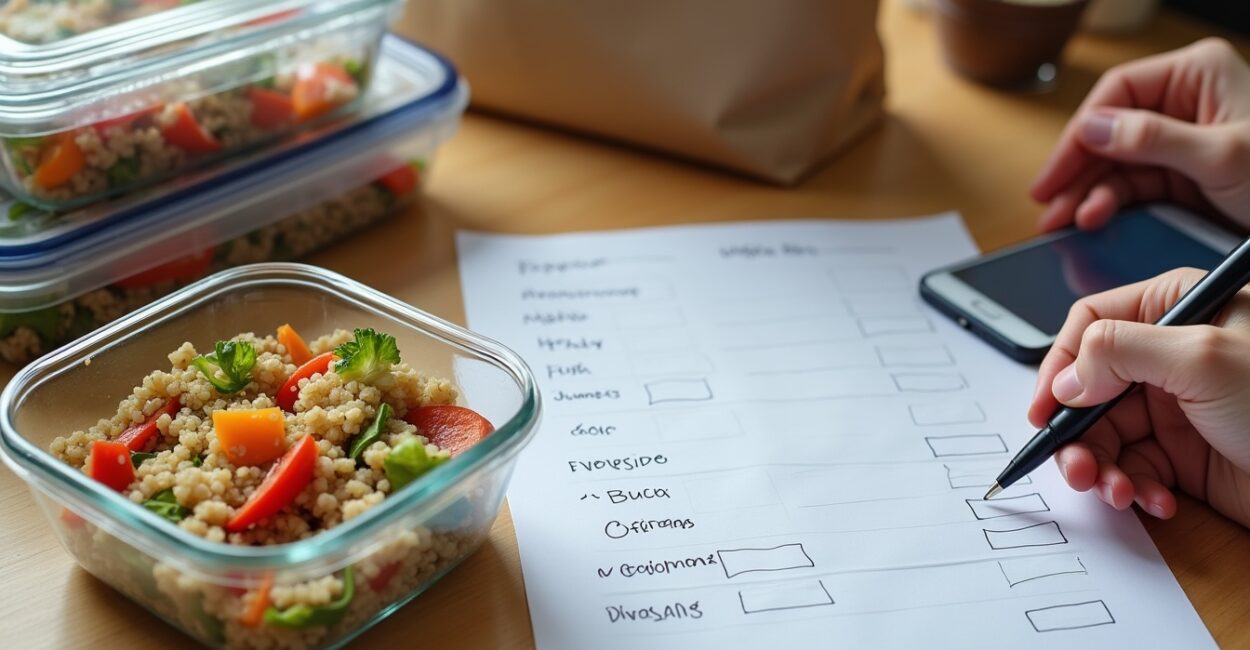
Meal planning can feel like a chore or a lifesaver — and it often decides whether you eat well or end up at a drive-thru. This guide reveals smarter meal planning strategies that save time, cut costs, and keep you out of fast food lines.
Today, busy schedules and grocery unpredictability make efficient meal planning essential for health and sanity. You’ll learn practical techniques like batch-cooked quinoa bowls, frozen-vegetable hacks, and realistic routines that fit real life.
Read on to discover concrete, mobile-friendly tactics for meal planning that reduce stress, boost flavor, and reclaim your evenings — all designed to show immediate wins.
1. Why Meal Planning Changes Your Week
Save time and mental energy
Meal planning replaces nightly decisions with a simple plan, lowering decision fatigue and freeing mental bandwidth. You spend minutes weekly instead of hours nightly, which improves consistency and calm.
Lower costs and waste
By planning meals, you buy only what you need and use bulk staples like grains and frozen vegetables. That reduces food waste and stretches your grocery budget for healthier choices.
2. Building A Practical Meal Planning Routine
Set a rhythm that sticks
Choose one day to plan and shop, then schedule a short cook session. Consistency beats perfection; a 30–60 minute weekly session is enough to transform dinners.
Create a flexible menu template
Design templates with protein, grain, and veggie slots. Swap ingredients easily to keep meals varied without reinventing the wheel each week.
- Pick 3 proteins for the week
- Choose 2 grains and 3 veg options
- Rotate simple sauces and seasonings
- Reserve one takeout or leftover night

3. Smart Shopping: Lists, Staples And Frozen Allies
Master a grocery list that saves errands
Group items by aisle and frequency to speed trips. Keep a running list on your phone for additions and mark essentials to avoid midweek panic runs.
Why frozen veggies are your secret weapon
Frozen vegetables lock in nutrients and remove spoilage stress. They’re prepped, affordable, and pair perfectly with batch-cooked grains for fast, healthy dinners.
4. Batch Cooking Quinoa Bowls And Meal Assembly
Plan bowls for variety and speed
Batch-cooked quinoa bowls are modular: grain, protein, roasted or frozen veg, and a sauce. Mix and match components to avoid monotony while saving time.
Step-by-step assembly for weekly bowls
Follow a concise prep workflow to build five meals in one session. Use airtight containers to keep bowls fresh and ready for reheating.
- Cook a large pot of quinoa with broth for flavor.
- Roast or steam a mix of fresh and frozen vegetables.
- Prepare two proteins (e.g., baked tofu and grilled chicken).
- Portion grains, veg, and protein into containers.
- Add sauce separately to preserve texture.
- Label and refrigerate for 4–5 days or freeze extras.
| Component | Batch Quantity | Storage |
|---|---|---|
| Quinoa | 3–4 cups cooked | Fridge 4–5 days |
| Vegetables (frozen) | 6–8 cups mixed | Freezer or fridge 3–4 days |
| Protein | 1.5–2 lbs cooked | Fridge 3–4 days, freeze leftovers |
5. Quick Swaps To Avoid Fast Food
Keep a “rescue” fridge and pantry
Stock simple rescue items: canned beans, frozen veggies, pre-cooked grains, and quick sauces. These staples make it easy to build a satisfying meal in minutes.
Flavor boosters that make healthy food feel indulgent
Use acids, herbs, and crunchy toppings to elevate simple bowls. A squeeze of lemon, toasted seeds, or pickled onions transforms routine meals instantly.
- Rotate sauces: tahini, salsa, soy-ginger
- Use fresh herbs or citrus for brightness
- Keep a crunchy topping (nuts, seeds, crispy onions)
6. Tracking, Tweaking And Making It Sustainable
Measure wins, not perfection
Celebrate nights you avoided fast food and saved money. Small wins build motivation; perfect execution is not required to see benefits.
Adapt plans to seasons and cravings
Swap base ingredients by season — barley in winter, quinoa in summer — and adjust spices to match cravings without discarding the plan.
7. Tools, Apps And Expert Resources
Apps that actually help
Use list-making and meal-planning apps to store favorite recipes and auto-generate shopping lists. Syncing across devices keeps the whole household aligned.
Where to learn more from experts
Trusted sources offer evidence-based guidance on nutrition and meal planning. Explore government guidelines and public health resources for reliable info.
For further reading, see the USDA dietary guidance (MyPlate) and Harvard School of Public Health nutrition tips (Harvard T.H. Chan).
Final thought: Meal planning doesn’t require perfection, only a few smart habits: batch-cook the basics, embrace frozen vegetables, and build simple bowls that feel satisfying. Start with one weekly session and watch stress, cost, and fast-food trips fall away.
Frequently Asked Questions
How often should I meal plan to see real benefits?
Plan once a week to gain the most consistent benefits. A 30–60 minute weekly session covering meals and snacks cuts daily decision fatigue, streamlines shopping, and makes batch cooking feasible. Weekly planning is flexible enough for swaps and keeps food waste low while saving time and money.
Will batch-cooked quinoa lose texture when reheated multiple times?
Quinoa holds up well when cooked properly and stored in airtight containers. Reheat gently with a splash of water to restore moisture. For best texture, consume refrigerated quinoa within four days, or freeze portions for longer storage and thaw before reheating to preserve quality.
Are frozen vegetables as nutritious as fresh ones?
Frozen vegetables are typically flash-frozen at peak ripeness, preserving nutrients. They often retain equal or greater nutritional value than fresh produce that’s been stored for days. Use frozen vegetables liberally to reduce waste and increase convenience without sacrificing health benefits.
How can I make meal planning affordable on a tight budget?
Buy staples in bulk, favor frozen produce, and use inexpensive proteins like beans and eggs. Plan meals around sales and seasonal produce, and repurpose leftovers into new dishes. Batch cooking and portioning also lower per-meal cost, stretching your grocery dollars further.
What’s the fastest way to stop relying on fast food during busy weeks?
Prepare a weekly rescue kit: pre-cooked grain, one cooked protein, a bag of frozen veg, and two quick sauces. When time is short, assemble a bowl in minutes. Consistent prep and realistic planning reduce the impulse to order takeout and improve long-term habits.