

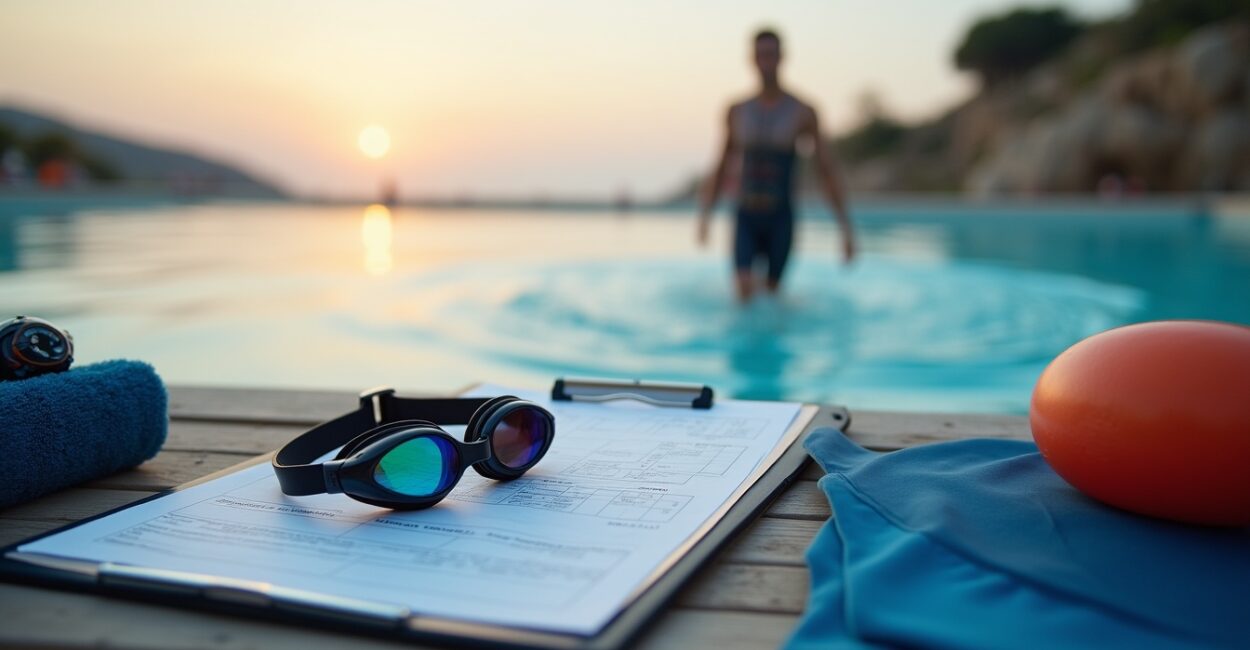
Swimming has become more than a sport—it’s a lifestyle anchor, a recovery ritual, and a gateway to resilience. Whether you crave dawn laps or brisk open-water dips, swimming reshapes routines and restores balance.
In 2025, trends like cold-water sessions and wearable swim trackers are redefining how people train, recover, and live. This article explains why swimming matters now and how to adapt your routine to new science and tech.
You’ll discover practical tips, recovery strategies, gear picks, and cultural shifts shaping swimming’s future—clear, mobile-friendly guidance to upgrade your water time.
Contents
ToggleWhy swimming matters in 2025: health, recovery, and community
Physical benefits and recovery
Swimming delivers low-impact cardio, full-body strength, and better mobility. It supports joint health and builds endurance without heavy loading.
For recovery, cold-water swims and contrast sessions reduce inflammation and speed muscle repair, complementing wearable data for smarter rest decisions.
Mental wellbeing and social connection
Time in the water eases anxiety, boosts mood, and creates meditative flow. Many swimmers report clearer thinking after consistent sessions.
Community events, swim clubs, and open-water groups make swimming a social lifestyle, fostering accountability and belonging.
Cold-water sessions and their rising popularity
Why cold exposure is trending
Cold-water immersion activates brown fat, improves circulation, and triggers resilience pathways. Enthusiasts report sharper focus and faster recovery.
Guidelines emphasize gradual exposure and safety—start short, warm slowly, and never swim alone in extreme conditions.
How to integrate cold swims safely
Prepare with breathing drills, a warm-up routine, and a clear exit plan. Use a neoprene cap or suit if needed to extend comfort safely.
Track symptoms and recovery with wearable swim trackers to gauge adaptation and avoid overexposure during cold-water training.
- Start with 1–3 minute dips to acclimate.
- Warm immediately after with dry clothes and hot drinks.
- Monitor heart rate and perceived exertion for safety.
Wearable swim trackers: data that improves recovery
What modern trackers measure
Trackers now log stroke count, distance, SPL, heart rate, and recovery scores. These metrics translate into actionable swim plans.
Advanced devices sync with recovery platforms, offering sleep, HRV, and readiness trends tailored to swimming loads.
How to use data without overloading
Focus on three metrics: volume, intensity, and recovery. Use trends instead of single-session figures to shape training decisions.
Prioritize simplicity—limit screens during swims and review data post-session for better focus and sustainable progress.
Gear and technology shaping swim lifestyles
Essential tech for modern swimmers
Wearables, smart goggles, and temperature-rated wetsuits extend comfort and insight. Quality gear increases confidence in varied conditions.
Choose devices with accurate swim metrics and robust water resistance. Integration with recovery apps amplifies their value for daily planning.
Sustainable and practical equipment choices
Eco-friendly suits, recycled caps, and durable swimwear reduce environmental impact. Durability beats disposable trendiness for long-term value.
Invest in a trusted tracker and a versatile suit to support year-round swimming—comfort equals consistency, and consistency builds results.
- Pick a tracker with open-water and pool modes.
- Choose a wetsuit rated for your typical water temperature.
- Replace gear based on performance, not appearance.
Training approaches: blending tradition with innovation
Hybrid programs for strength and endurance
Combine pool intervals with open-water distance and targeted strength work. Cross-training prevents plateaus and reduces injury risk.
Periodize training around key events and recovery windows using wearable insights and subjective readiness checks.
Practical weekly plan
Balance high-intensity intervals, technique-focused drills, and restorative sessions like cold-water or easy aerobic swims for resilience.
Adjust volume based on sleep, HRV, and perceived fatigue—data-informed tweaks beat rigid plans. Keep rhythm and recovery aligned.
- Assess baseline swim volume and goals.
- Schedule two quality sessions and two easy swims weekly.
- Add one strength or mobility session.
- Include a cold-water or recovery swim once weekly.
- Review data and adjust every two weeks.
Community, events, and lifestyle impacts
Local groups and open-water culture
Open-water meetups and local masters programs turn swimming into ritual and routine. Shared rituals reinforce habit formation.
Events focusing on inclusivity and safety broaden participation, creating spaces for new swimmers and diverse communities.
Lifestyle shifts beyond the pool
Swimmers often adopt holistic habits: better sleep, nutrition, and stress management. Swimming catalyzes broader lifestyle upgrades.
The visible confidence and calm from consistent swimming ripple into work and relationships, amplifying long-term wellbeing.
- Join a local swim club to stay accountable and motivated.
- Volunteer at events to deepen community ties.
- Share achievements with peers to celebrate progress and build support.
Practical safety and sustainability tips
Safety basics for open-water and cold sessions
Never swim alone in open water. Check weather, currents, and water temperature, and use a bright swim buoy for visibility.
Learn rescue techniques and carry a whistle or signaling device when venturing into remote waters. Prioritize conservative decisions over bravado.
Protecting waterways and choosing sustainable options
Respect local ecosystems by avoiding pollution and choosing eco-friendly products. Support clean-water initiatives and local conservation groups.
Minimize single-use plastics, clean gear properly, and opt for brands with transparent sustainability practices to preserve swim spaces for future generations.
Conclusion
Swimming in 2025 is a richer, more connected experience—tech and tradition converging to boost recovery, resilience, and joy. Cold-water rituals and smart trackers are not fads; they empower informed, safer, and more meaningful swim lifestyles.
Return to the opening curiosity: whether you seek calm or performance, integrate measured exposure, reliable gear, and community to make swimming an enduring, life-enhancing habit.
Frequently Asked Questions
How often should I swim to see health benefits?
Swimming three times per week offers clear cardiovascular, strength, and mental health benefits. Balance sessions with rest days and complementary strength training. Use wearable data and perceived exertion to adjust volume. Consistency matters more than intensity at first—build habit, then progressively increase challenge. If recovering from injury or starting late, begin with short, low-intensity swims and gradually extend duration while monitoring pain and fatigue. Consult a coach or clinician for tailored progression and safe load increases.
Are cold-water swims safe for beginners?
Cold-water swims can be safe with preparation: start with brief exposures, practice controlled breathing, and warm up gradually after exiting. Never swim alone, and check water conditions beforehand. Consider supervised polar-swim groups or a coach for initial sessions to learn signs of hypothermia and cold shock. Wear appropriate protection like a neoprene cap or gloves if needed. If you have cardiovascular issues, consult a physician before beginning cold-water immersion to ensure it’s safe.
Which wearable swim tracker features matter most?
Prioritize accurate heart-rate monitoring in water, reliable distance and stroke metrics, and HRV or recovery integration. Battery life and open-water GPS accuracy matter for longer sessions. Easy data sync to recovery platforms and training apps helps you make informed adjustments. Durable water resistance and comfortable fit ensure consistent use. Choose a device with strong community support and firmware updates. Cross-verify unusual readings with perceived effort and manual counts to avoid overreliance on imperfect sensors.
How do I combine cold-water sessions with intense training?
Use cold-water sessions primarily for recovery rather than as high-intensity work. Schedule cold immersion after heavy workouts to reduce inflammation and speed repair, keeping exposures short initially. Monitor recovery metrics like sleep and HRV to avoid suppressing adaptive processes. Ensure caloric intake and protein support tissue repair. Adjust training intensity if cold exposure increases perceived fatigue. When in doubt, prioritize gradual adaptation and consult a coach for periodized plans that integrate cold-water recovery safely.
What sustainable practices can swimmers adopt?
Choose eco-friendly swimwear, reduce single-use plastics, and wash gear in ways that limit microplastic release. Support local clean-water efforts and follow leave-no-trace principles at beaches and lakes. Repair and reuse gear when possible, and select brands with transparent sustainability commitments. Participate in or organize shoreline cleanups and advocate for cleaner water policies. Small daily choices—like reusable bottles, biodegradable sunscreen, and conscious gear purchases—collectively protect swim environments for future generations.
Sources: World Health Organization, Harvard Health, and recovery-platform research summaries available through major wearable manufacturers.