

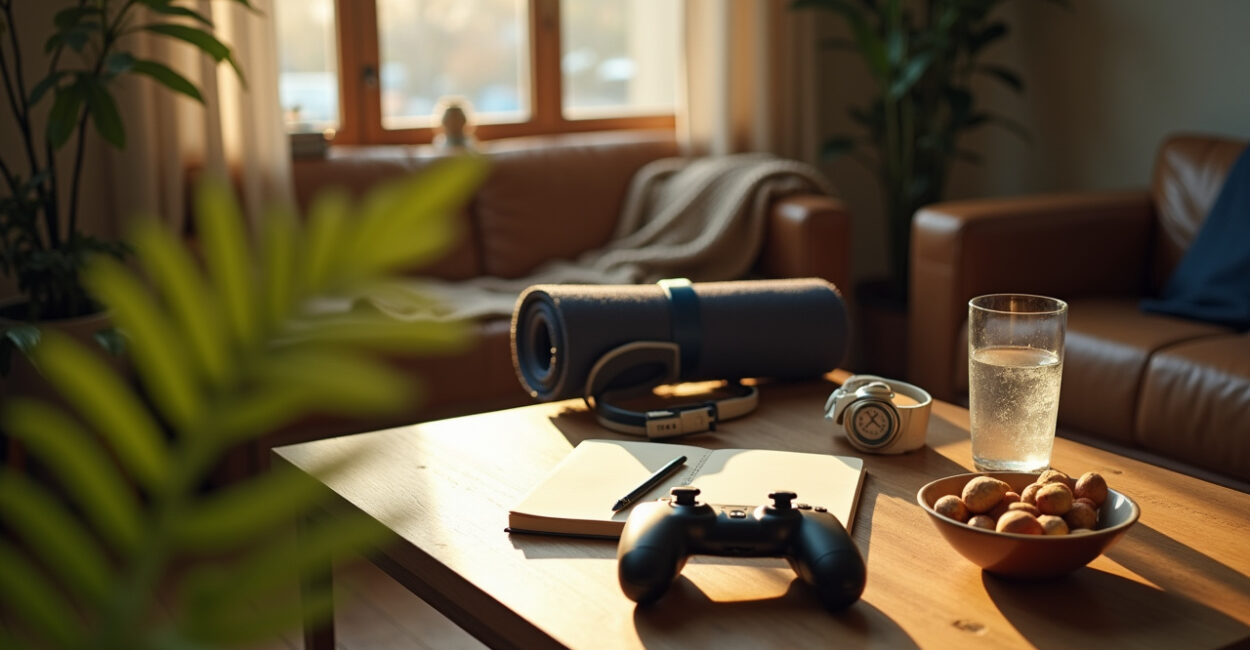
Wellbeing Gaming matters because it helps players balance enjoyment with mental and physical health. Understanding healthy play habits reduces burnout, improves mood, and makes gaming a sustainable hobby. Learn actionable steps to protect yourself while maximizing fun.
Many players struggle with limits, restorative choices, and effective breaks—yet small changes create big gains. This article explores how to set boundaries, choose restorative game types, and use breaks to prevent fatigue and maintain social, cognitive, and emotional wellbeing.
Below you’ll find practical strategies, comparisons, and routines for integrating wellbeing into play. The guidance focuses on habit design, session structure, and game selection so you can build balanced, enjoyable gaming routines.
Balanced Play: Wellbeing Gaming Essentials
Healthy Play Foundations
Wellbeing Gaming begins with clear intentions: why you play and what you expect. Identify motivations—socializing, challenge, relaxation—and align session length and goals to those needs to avoid aimless, draining sessions.
Set simple rules: maximum session time, scheduled breaks, and screen-free wind-downs. These guardrails support cognitive rest, maintain sleep quality, and help you keep enjoyment without escalating stress or fatigue.
Track outcomes briefly after play—mood, energy, social satisfaction—to iterate your approach. Small data points let you refine routines for sustained engagement and better mental health.
Ergonomics and Physical Care
Physical wellbeing is core to sustainable play. Invest in ergonomic seating, proper desk height, and controller grips to reduce strain during sessions. Adjust display brightness and seating posture to protect neck and eyes.
Incorporate micro-breaks for movement: shoulder rolls, wrist stretches, and standing breaks every 30–45 minutes. Movement prevents stiffness, supports circulation, and reduces long-term musculoskeletal issues.
Hydration and nutrition also shape game quality. Keep water nearby, choose balanced snacks, and avoid excessive caffeine late in play sessions to protect sleep and recovery.
Social Wellbeing and Boundaries
Multiplayer gaming blends fun with social risk. Use clear communication—set expectations for voice chat volume, toxicity management, and session times—to protect emotional wellbeing in social spaces.
Create a support plan: mute or block options, reporting tools, and trusted friends to debrief after stressful matches. These practices reduce emotional spillover and keep gaming a healthy social outlet.
Prioritize offline relationships and responsibilities. Wellbeing Gaming complements life, not replaces it; maintaining balance preserves long-term social and mental health.
Restorative Play: Wellbeing Gaming Choices
Choosing Restorative Games
Pick games that promote relaxation and flow—for example, calm exploration titles, puzzle games, or creative sandboxes. These game types reduce stress and foster focus without aggressive competitive pressure.
- Relaxing exploration (open-world, no-stakes)
- Puzzles and logic games that encourage calm concentration
- Creative sandboxes (building, art, music)
- Turn-based strategy with flexible pacing
Rotate restorative titles into your routine to rebalance after intense sessions. This intentional variety helps preserve motivation and prevents burnout from repetitive stressors.
Designing Restorative Sessions
Structure sessions for low-pressure engagement: limit goals, avoid competitive ladders, and set soft time caps. Aim for clear start and stop cues that don’t leave you feeling obligated to continue.
Add rituals before and after play—a short walk, five minutes of breathing, or journaling—to mark transitions and protect mental quiet. These habits improve recovery and enjoyment.
Keep social expectations minimal in restorative play. Prefer asynchronous multiplayer or single-player experiences when you need recuperation without coordination demands.
Benefits for Mental Health
Restorative play supports mood regulation, lowers anxiety, and offers cognitive refreshment. Wellbeing Gaming that emphasizes low stakes can improve focus, creativity, and emotional resilience over time.
Regular low-intensity sessions help rebuild attention capacity and encourage positive reinforcement from achievable goals. These effects carry into everyday stress management and productivity.
Pair restorative gaming with other recovery practices—sleep hygiene, exercise, and social time—to compound benefits and ensure long-term mental wellness.

Session Limits: Wellbeing Gaming Time Management
Setting Realistic Time Caps
Create session limits based on lifestyle and responsibilities. Typical windows are 30–90 minutes for focused play or 2–3 hours when socializing, adjusted for sleep and work schedules. Clear caps prevent creeping overtime.
Use timers or apps to enforce limits and make stopping automatic rather than discretionary. Consistency trains discipline and reduces decision fatigue about when to stop playing.
Review and adapt limits weekly. If energy, mood, or sleep suffer, reduce session length. If wellbeing is stable and obligations met, a modest increase may be reasonable.
Pacing and Micro-breaks
Micro-breaks every 20–45 minutes support posture, vision, and mental reset. Use short active breaks—standing, stretching, eye exercises—to preserve endurance and cognitive clarity during longer sessions.
In-game cues can remind you to pause: save points, level breaks, or natural cooldowns. Align breaks with these moments to minimize flow disruption while protecting wellbeing.
Employ the 90/20 approach: after about 90 minutes of intense focus, take a longer 15–20 minute break to fully recuperate before resuming play or switching activities.
Tracking Play Without Obsession
Monitor play time with lightweight tools—platform trackers or simple logs. Track patterns rather than punish yourself: notice when play impacts mood, sleep, or relationships and adjust accordingly.
Set non-judgmental goals: more days with restorative play, fewer marathon sessions, or consistent wake-up times. Positive framing encourages sustainable behavior change.
Share tracking insights with friends or accountability partners if helpful. Social support reinforces healthy limits and makes adherence easier.
Game Selection: Wellbeing Gaming Genres and Impact
Low-stress Genres Explained
Genres like cozy sims, narrative adventures, and puzzle games usually promote calm engagement. They favor exploration, creativity, and problem-solving without constant high-pressure outcomes.
Look for features such as adjustable difficulty, no-permadeath, and flexible pacing when choosing titles that support wellbeing. These options reduce frustration and allow personalized challenge levels.
Consider sound design and visual comfort—gentle audio and non-flashing visuals reduce sensory overload, benefiting players prone to anxiety or overstimulation.
Competitive Gaming with Balance
Competitive play can be rewarding but needs guardrails. Set match limits, avoid ranked decay stress, and prioritize social matches when feeling emotionally taxed to preserve enjoyment.
Use cooldowns after tilting: walk away after a loss streak, practice breathing exercises, or switch to a restorative title to reset mindset before returning to competition.
Rotate competitive and casual play to maintain skill and prevent chronic stress. This balance preserves performance and personal wellbeing over time.
Social and Cooperative Choices
Cooperative and social games that emphasize teamwork without toxic pressure support social wellbeing. Choose matches with clear roles, friendly communities, and positive reinforcement mechanisms.
Engage with communities that have codes of conduct or moderation to reduce exposure to harassment. Healthy social environments enhance connection and reduce stress from online interactions.
Balance synchronous and asynchronous social play—sometimes texting or turn-based matches are better for wellbeing than live voice chat during high-stakes play.
Break Strategies: Wellbeing Gaming Recovery Techniques
Effective Short Breaks
Short breaks should be active and intentional: stand, stretch, hydrate, and blink to refresh eyes. Even three to five minutes of movement significantly reduces physical strain and mental fatigue.
Combine short breathing exercises to lower arousal: inhale for four counts, hold, exhale for six. These micro-practices calm the nervous system between matches or sessions.
Use phone timers or in-game reminders to enforce short breaks. Making them automatic ensures they happen even during engrossing gameplay and protects long-term wellbeing.
Longer Recovery Sessions
After extended play, schedule recovery windows of 30–90 minutes for rest, meals, or light exercise. These longer breaks reset attention and support sleep-ready routines if taken before bedtime.
Engage in restorative activities—walking outside, mindful stretching, or social interaction—to fully detach from game-related stress and replenish cognitive resources.
Avoid screens during longer breaks to maximize recovery. Non-digital hobbies or brief naps (20–30 minutes) help reduce mental exhaustion effectively.
Using Tech to Enforce Breaks
Use platform parental controls, focus apps, or built-in timers to limit uninterrupted play. These tools provide gentle nudges and automatic pauses to protect wellbeing without constant self-discipline.
Customize notifications and do-not-disturb windows to prevent session creep. Reducing external interruptions also improves focus during allowed play times and makes breaks predictable.
Combine tech with personal rituals—stand, rehydrate, and step outside—to turn enforced pauses into meaningful recovery rather than resentful interruptions.
| Game Type | Wellbeing Benefit | When to Use |
|---|---|---|
| Cozy Sandbox | Reduces stress, encourages creativity | After intense work or competitive play |
| Puzzle/Logic | Boosts focus, provides calm challenge | When you want short, restorative sessions |
| Turn-Based Strategy | Low-pressure decision making | For thoughtful play without time stress |
Habit Design: Building Sustainable Wellbeing Gaming Routines
Creating Play Rituals
Rituals signal the brain to enter and exit play mode—simple cues like a playlist, a pre-game stretch, or a short journal note work well. These routines improve transitions and reduce lingering arousal after play.
Pairing gaming with positive habits—hydration, light movement, or a cooling-down routine—creates healthy bundling that makes self-care automatic and effortless over time.
Consistency over intensity matters: daily short, balanced sessions often support wellbeing more than irregular long marathons. Build rituals that fit your lifestyle and stick to them.
Accountability and Social Design
Use friends or groups to reinforce limits: schedule shared low-stress sessions or set mutual check-ins after high-stakes matches. Social accountability makes adherence easier and more enjoyable.
Design consequences for overstepping limits—take a restorative day or do a non-digital hobby—to discourage marathon binges compassionately rather than shaming yourself.
Leverage community norms and positive reinforcement to reward balanced habits; celebrate consistent sleep, reduced late-night play, or diverse hobby engagement.
Tracking and Iterating Habits
Keep brief logs of play type, duration, mood, and sleep quality. Weekly reviews help identify patterns and inform adjustments to session timing, game selection, or break strategies.
Make incremental changes—reduce one long session per week or add a restorative night—to avoid abrupt shifts that undermine habit durability. Small wins compound into lasting improvements.
Use insights to refine your wellbeing plan: move competitive play earlier in the day, prioritize restorative titles on stressful days, and set stricter limits before sleep nights.
- Set a maximum weekly play time aligned with responsibilities
- Mix restorative and competitive sessions for variety
- Use timers and rituals to enforce start/stop cues
Monitoring Outcomes: Measuring Wellbeing Gaming Success
Key Indicators to Watch
Track mood, sleep quality, energy, and social satisfaction to assess whether Wellbeing Gaming habits are effective. These indicators reflect overall functioning and reveal when to adjust routines.
Monitor performance and enjoyment: if skill improves but stress rises, rebalance intensity. If enjoyment drops, try more restorative titles or shorter, more frequent sessions to recover motivation.
Quantify lightly—daily mood check-ins or weekly summaries offer actionable data without becoming obsessive. Use trends, not single days, to guide changes.
Simple Tools and Metrics
Use platform playtime trackers, habit apps, or a basic spreadsheet to log sessions and outcomes. Combine objective time metrics with subjective mood scores for a fuller picture.
Set threshold alerts: if consecutive poor-sleep nights or mood dips occur, trigger a review and implement recovery steps like reducing late-night play or increasing breaks.
Share findings with a friend or community for external perspective and encouragement. Collective insights can reveal blind spots and inspire sustainable improvements.
Adjusting Based on Feedback
Respond to data with small, specific changes: shorten sessions, switch game types, or move play earlier. Test one change at a time to isolate effects and refine effectively.
Be flexible—life events and stressors require adaptive limits. Treat your wellbeing plan as a living system that evolves with needs and seasons.
Prioritize mental and physical health metrics over raw playtime. Sustainable gaming balances enjoyment with recovery, not maximum hours.
| Metric | Good Target |
|---|---|
| Average session length | 45–90 minutes |
| Days with restorative play | 2–4 per week |
| Nights of poor sleep | Keep under 1–2 per week |
Conclusion
Wellbeing Gaming is about aligning play with health: choosing restorative titles, setting realistic limits, and using breaks to prevent burnout. These practices preserve enjoyment and support long-term participation in gaming as a positive part of life.
Start small—implement one time cap, add a restorative session, and adopt a micro-break routine. Monitor mood and sleep, iterate, and prioritize balance. Try these steps this week and notice how wellbeing and fun improve.
FAQ 1: What is Wellbeing Gaming and Why Does It Matter?
Wellbeing Gaming means choosing play habits that support mental, physical, and social health. It matters because balanced gaming reduces burnout, improves mood and sleep, and keeps gaming enjoyable and sustainable long-term.
FAQ 2: How Long Should a Healthy Gaming Session Be?
Healthy sessions typically range 30–90 minutes depending on activity, with micro-breaks every 20–45 minutes and a longer break after about 90 minutes. Adjust based on fatigue, obligations, and sleep quality.
FAQ 3: Which Game Genres Support Wellbeing Most Effectively?
Cozy sims, puzzle games, narrative adventures, and creative sandboxes often support wellbeing by offering low-pressure engagement, adjustable pacing, and opportunities for relaxation and creative flow.
FAQ 4: How Can I Prevent Tilt and Emotional Fatigue in Competitive Play?
Set match limits, schedule cooldowns after losses, use breathing or short walks between games, and mix competitive sessions with restorative titles to reset mindset and reduce emotional strain.
FAQ 5: What Simple Habits Improve Gaming-related Physical Health?
Use ergonomic seating, adjust monitor height and brightness, take regular movement breaks, hydrate, and perform wrist and shoulder stretches to reduce strain and support long-term physical wellbeing.
External resources: World Health Organization, American Psychological Association.