Warning: Cannot modify header information - headers already sent in /home/u278635817/domains/mymorninglife.com/public_html/wp-content/plugins/artigosgpt/artigosgpt.php on line 29509
Warning: Cannot modify header information - headers already sent in /home/u278635817/domains/mymorninglife.com/public_html/wp-content/plugins/artigosgpt/artigosgpt.php on line 29509
Portion Control is the practice of managing the amount of food consumed at a single eating occasion to match energy needs, nutritional goals, and long-term wellness objectives. Portion Control helps regulate calorie intake, balance macronutrients, and prevent overeating by using measurable servings, visual cues, and behavior-based strategies.
Managing portions is central to weight management and metabolic health; simple adjustments can reduce daily caloric intake by 10–20% without drastic dieting. This article covers actionable portion control techniques, visual guides, practical behaviors, and tools to sustain healthier eating patterns for long-term wellness.
Read on for evidence-based approaches, step-by-step methods, comparative tools, and real-world examples tailored to everyday life, fitness goals, and clinical needs.
Foundations of Portion Control and Basic Concepts
- Serving size vs. portion size: understanding the difference
- Calorie density and energy balance: why calories per gram matter
- Macronutrient distribution: protein, fat, carbohydrate portions
- Meal timing and frequency: how portions interact with eating schedule
Defining Portion Sizes with Practical Measures
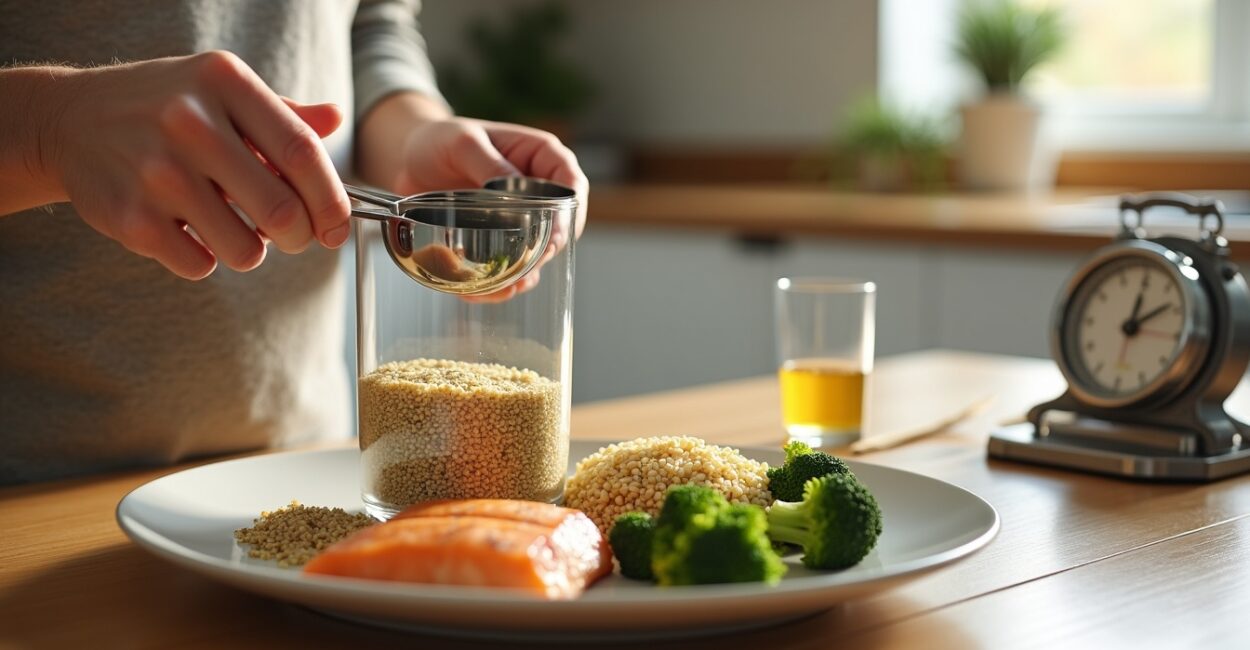
Portion Control begins by translating nutrition labels and dietary recommendations into usable measures like cups, ounces, and palm or fist estimations. For example, a protein portion often equates to a palm-sized 3–4 ounce serving, while a fist represents about 1 cup of vegetables or cooked grains. These practical measures help people apply guidelines when measuring tools aren’t available and make consistent choices across restaurants and home-cooked meals.
In everyday settings, use measuring cups and a kitchen scale for at least two weeks to calibrate your eye. Athletes or those tracking macros can benefit from weighing portions to the nearest 5–10 grams for precision and progressive adjustments.
Energy Density and Its Role in Satiety
Understanding energy density—calories per gram—is crucial for Portion Control because low-energy-dense foods (vegetables, broth-based soups) allow larger volumes for fewer calories, promoting satiety. Conversely, nuts, oils, and processed snacks deliver high calories in small volumes, often leading to inadvertent overeating if portions aren’t controlled. Incorporating more fruits, vegetables, legumes and lean proteins increases volume without excess calories.
Practically, aim to fill half your plate with low-energy-dense foods, a quarter with lean protein, and a quarter with whole grains or starchy vegetables to balance fullness and nutrient needs across meals.
Behavioral Cues That Influence Portion Decisions
Portion choices are shaped by environment: plate size, package design, social setting, and emotional state all alter intake. Research shows people eat up to 30% more from larger plates or family-style servings. Identifying triggers—stress, distraction, or package-driven cues—enables tailored strategies such as pre-plating portions, using smaller tableware, and mindful eating routines that interrupt automatic overeating.
Start with one behavioral change per week (e.g., remove serving bowls from the table) and monitor intake for two weeks to evaluate impact on hunger and weight trends.
Practical Portion Control Methods and Step-by-step Actions
- Measure baseline intake using a food diary or app for 7 days.
- Swap large plates for smaller ones and pre-plate meals to standardize portions.
- Prioritize protein and vegetables first to increase satiety before starches.
- Use portioned containers or reusable meal prep boxes for grab-and-go consistency.
Start with a Baseline: Tracking and Assessment
Begin Portion Control by tracking everything you eat for seven days using a food app or diary to establish a baseline. This reveals typical portion sizes, calorie sources, and timing patterns. Quantify intake (cups, ounces, grams) and note context—snacking, social meals, or late-night eating—to identify high-risk situations. For example, tracking may show late-evening snacking contributes 200–400 extra calories daily, which explains stalled weight loss.
Use this data to set realistic reduction targets (e.g., 200–300 kcal/day) and choose which portions to adjust first.
Portion Replacement and Swap Strategies
Replace high-calorie portions with nutrient-dense alternatives to lower energy intake while preserving meal satisfaction. Swap 1 cup of ice cream (approx. 250–300 kcal) for 1 cup of Greek yogurt with berries (approx. 150–180 kcal) to reduce calories and add protein. Similarly, use spiralized vegetables or cauliflower rice to replace half the grain portion, cutting 50–100 kcal per meal while increasing fiber and micronutrients.
Implement swaps gradually—start by replacing one high-calorie item per day for two weeks—monitoring hunger and adherence to ensure sustainability.
Packaging and Plating Techniques to Enforce Limits
Use visual cues like pre-portioning snacks into single-serve bags or using sectioned plates to automatically limit intake. For dining out, immediately portion half the entrée into a take-home container before eating to prevent overeating. Plate composition matters: fill 50% with vegetables, 25% with lean protein, and 25% with whole grains or starchy vegetables to create balanced, portion-controlled meals without counting every calorie.
These small structural changes reduce decision fatigue and align portions with long-term weight management goals.

Comparing Portion Control Techniques and Tools
Visual Guides Versus Measuring Tools
Portion Control can rely on visual heuristics (palm, fist, thumb) or precise tools (scales, measuring cups). Visual methods work well for long-term maintenance because they are portable and fast, while measuring tools offer accuracy essential during initial weight-loss phases. For example, use a kitchen scale for initial calorie-controlled dieting, then transition to visual cues once you learn how typical portions look.
Combining both approaches—measure to learn, then visually estimate—delivers accuracy and sustainability in daily life.
Meal Prepping and Portioned Containers
Meal prepping into portioned containers supports consistency and time efficiency. Preparing 5–7 meals per week with calibrated portions simplifies adherence, reduces impulsive choices, and often lowers food cost. Athletes and busy professionals can portion proteins, grains, and vegetables into standardized containers (e.g., 400–600 kcal meals) to meet daily targets and avoid restaurant oversizing.
Practical tip: label containers with calories and macros for two weeks to reinforce portion recognition and fine-tune future batches.
Technology-assisted Portion Control (apps, Smart Plates)
Digital tools like food-tracking apps and image-based portion estimators accelerate Portion Control by estimating calories and macronutrients from photos or barcode scans. Smart plates and scales can provide real-time feedback on portion weight and energy content, useful for individuals needing clinical precision. Use apps for accountability and pattern recognition, while remembering that manual calibration (weighing samples) improves long-term app accuracy.
Integration with wearables can also sync intake with activity to guide daily energy balance adjustments.
| Method | Best for | Limitations |
|---|---|---|
| Visual heuristics | Quick, on-the-go estimation | Less precise for strict calorie control |
| Measuring cups & scale | Accurate portioning, initial weight loss | Time-consuming, requires tools |
| Meal prep containers | Consistency and convenience | Less flexible for spontaneous meals |
| Apps & smart devices | Data tracking and feedback | Dependent on tech accuracy and input |
Behavioral Strategies and Long-term Habits for Portion Control
Mindful Eating and Attention to Hunger Cues
Mindful Portion Control emphasizes slowing down, chewing thoroughly, and rating hunger before and after eating to avoid automatic overserving. Pause for 10–15 minutes midway through a meal to reassess fullness; many people experience satiety signals delayed by 20 minutes. Practicing mindful eating three times per week can reduce episodic overeating and strengthen awareness of true energy needs.
Incorporate cues such as setting a timer for meals and avoiding screens to reinforce mindful habits and improve long-term adherence.
Social and Environmental Adjustments to Reduce Over-serving
Change the eating environment to support Portion Control: serve meals on smaller plates, store snacks in opaque containers, and keep communal dishes off the table. When dining socially, suggest ordering shared appetizers or splitting entrees to control portions. Evidence shows buffet-style setups increase intake by up to 45% in some settings, so pre-planning and portioning dishes immediately can mitigate excess consumption.
Small environmental shifts can produce measurable changes in weekly caloric intake and weight trends.
Progressive Habit Formation and Monitoring
Build Portion Control habits gradually—start with one meal per day portioned correctly, then expand to other meals. Track weight and waist circumference weekly and adjust portions by 5–10% if progress stalls. According to the CDC, sustained weight loss of 1–2 pounds per week is realistic for many adults; this corresponds to a 500–1,000 kcal daily deficit, often achieved through portion adjustments combined with activity changes (CDC).
Use this iterative approach to create sustainable, evidence-based habits tailored to lifestyle and metabolic response.
Benefits, Limitations, and Practical Tools for Portion Control
Health and Performance Benefits of Managed Portions
Effective Portion Control supports weight loss, improved glycemic control, and reduced cardiovascular risk factors by aligning intake with metabolic needs. For example, studies show portion reduction strategies can lower daily energy intake by 200–400 kcal, translating to 0.5–1 pound weekly weight loss for many individuals. Athletes benefit by timing protein portions to support muscle protein synthesis without excess energy intake.
These benefits compound over months, improving body composition and metabolic markers when combined with consistent physical activity.
Common Limitations and When Portion Control Alone May Not Suffice
Portion Control is powerful but not always sufficient for complex metabolic conditions: individuals with hormonal imbalances, certain medications, or disordered eating may need clinical supervision. Additionally, social constraints, food insecurity, and limited access to whole foods can impede consistent portioning. When weight loss plateaus or health markers worsen, seek a multidisciplinary approach involving dietitians or medical professionals.
Recognize limitations early and use portion strategies as part of a broader, individualized plan when required.
Tools and Resources: Plates, Apps, and Professional Support
Practical tools include portioned meal containers, calibrated measuring cups, kitchen scales, and reputable apps for tracking macros and meals. Registered dietitians can tailor portion strategies to medical conditions, while behavioral therapists aid with emotional eating patterns. For evidence-based guidelines, consult resources like the NHS Eatwell Guide or the American Academy of Nutrition and Dietetics for portion and plate composition recommendations (NHS).
Choose tools that match your lifestyle—apps for tech-savvy users, containers for meal-prep schedules, and clinicians for complex needs.
| Characteristic | Advantages | Disadvantages |
|---|---|---|
| Smaller plates | Reduces visible portion size, simple | May require habit change |
| Kitchen scale | High precision | Time and effort to use |
| Meal prep containers | Convenience and consistency | Less variety, upfront time |
Implementation Plans and Case Examples
Implementing Portion Control for Weight Loss: a 12-week Plan
Start with a 12-week plan: weeks 1–2 focus on baseline tracking and measuring; weeks 3–6 implement plate composition and swaps to reduce 200–300 kcal/day; weeks 7–12 refine and transition to visual cues while increasing physical activity modestly. Monitor weight weekly and adjust portions by 5–10% if progress slows. This structured timeline balances precision with habit formation, supporting approximately 1–2 pounds weekly for many individuals when a 500–1,000 kcal deficit is achieved.
Document food choices and emotional triggers throughout to inform ongoing adaptations.
Case Study: Busy Professional Using Meal Prep and Visual Cues
A 38-year-old professional reduced body weight by 8% in six months by prepping five lunches per week using portioned containers and adopting smaller dinner plates. She prioritized 25–30 g protein per meal and doubled vegetable portions to increase satiety. The simple swap of pre-portioning office snacks into 100 kcal bags prevented grazing and saved an estimated $40 monthly by reducing takeout frequency.
This demonstrates how minor logistical changes and consistent portioning produce measurable weight and cost benefits over time.
Adjusting Portion Control for Athletic Performance
Athletes adjust Portion Control to match training load by manipulating carbohydrate and protein portions while keeping overall energy balance aligned with goals. On heavy training days, increase carbohydrate portions by 25–50% around workouts; on rest days, reduce starchy portions by 20–30% and maintain protein to support recovery. Monitoring body composition monthly helps fine-tune portions for performance without compromising energy availability.
Practical strategy: schedule 20–40 g protein within 30–60 minutes post-exercise and use portioned meals to ensure consistency.
Conclusion: Portion Control is a practical, evidence-based approach to manage weight and improve long-term wellness by aligning food intake with metabolic needs, using visual guides, tools, and behavior change. Implement measurement, environment tweaks, and gradual habit formation to achieve sustainable results. Start with a simple, trackable change this week—pre-plate one meal or swap a high-energy item—to build momentum toward healthier portions and outcomes.
Faq
O Que É Portion Control?
Portion Control é a prática de determinar e gerir a quantidade de alimento consumida em uma refeição para corresponder às necessidades energéticas e metas nutricionais. Inclui o uso de medidas, guias visuais e estratégias comportamentais para evitar excessos. A técnica ajuda no equilíbrio entre macronutrientes, reduz a ingestão calórica inadvertida e apoia objetivos de perda de peso e manutenção a longo prazo.
Como Funciona O Processo De Ajustar Porções Para Perda De Peso?
O processo começa com a avaliação da ingestão atual através de um diário alimentar por 7 dias. Em seguida, mede-se ou estima-se porções com ferramentas ou guias visuais e reduz-se a ingestão calórica em 200–500 kcal/dia, com foco em trocas inteligentes (ex: vegetais por carboidratos densos). Monitoramento semanal e ajustes graduais garantem perda de 0,5–1 kg por semana, quando combinado com atividade física.
Qual a Diferença Entre Porção E Porção Recomendada?
“Porção” refere-se à quantidade de alimento que uma pessoa decide consumir em uma refeição, enquanto “porção recomendada” (serving size) é a medida padrão estabelecida por guias nutricionais ou rótulos para orientar ingestão. Porções reais muitas vezes excedem as recomendações; assim, aprender a converter rótulos em medidas reais (x gramas, copos, palmas) é essencial para controlar calorias e nutrientes com precisão.
Quando Usar Medição Precisa Versus Estimativa Visual?
Use medição precisa (balança, copos) durante fases iniciais de mudança, como quando busca perda de peso estruturada ou ajuste de macros. Após calibrar o olho por algumas semanas, transite para estimativas visuais (palma, punho, polegar) para facilitar manutenção diária. Pessoas com necessidades clínicas ou atletas de alto desempenho podem precisar de medição contínua para precisão.
Quanto Custa Implementar Estratégias Básicas De Portion Control?
Custos iniciais são geralmente modestos: uma balança de cozinha custa entre $10–$30, conjuntos de potes para refeição $15–$40, e uma assinatura de app pode variar $0–$10/mês. Investimentos em utensílios e planejamento podem reduzir gastos com alimentos prontos, resultando em economia mensal. Para suporte profissional, consultas com nutricionistas variam amplamente por região e serviço.