
Warning: Cannot modify header information - headers already sent in /home/u278635817/domains/mymorninglife.com/public_html/wp-content/plugins/artigosgpt/artigosgpt.php on line 29509
Warning: Cannot modify header information - headers already sent in /home/u278635817/domains/mymorninglife.com/public_html/wp-content/plugins/artigosgpt/artigosgpt.php on line 29509
Imagine stepping into a tiny plaza that feels like a breath of forest—dappled shade, buzzing life, and herbs you can pick for dinner. That’s the promise of green spaces transformed into pocket parks and edible mini-forests.
Cities worldwide are reclaiming asphalt for community gardens, micro-forests, and tiny plazas that soothe heat, boost biodiversity, and reconnect neighbors. This piece shows how pocket-park ideas—like Barcelona’s plazas—can inspire local change.
Read on to discover practical designs, step-by-step implementation, and real examples to bring resilient, joyful green spaces to your street, corner, or vacant lot.
Why small green spaces matter now
Health, microclimate, and community benefits
Small urban green spaces cut heat, filter air, and reduce stress. They act as cooling islands in dense neighborhoods, supporting public health and comfort.
These pocket parks also create social anchors where neighbors meet, play, and collaborate—strengthening local ties and civic pride in underused public realm.
Biodiversity, ecosystem services, and resilience
Even tiny green spaces support pollinators, native plants, and soil life. They become stepping-stones that connect larger parks and boost urban biodiversity corridors.
By absorbing stormwater and shading pavements, pocket parks enhance climate resilience and reduce flood risk while improving local environmental quality.
Design principles for effective green spaces
Human-centered layout and accessibility
Design for knee-level joy: seating, shade, tactile planting, and clear sightlines. Prioritize universal access and safe walkways for all ages.
Place seating near greenery and focal points. Ensure paths connect to sidewalks, transit stops, and nearby storefronts to maximize everyday use.
Ecological design and layered planting
Use layered vegetation: canopy trees, shrubs, groundcover, and edible herbs. This structure supports pollinators, soil health, and seasonal interest year-round.
Prioritize native species, drought-tolerant plants, and mulches. Design with biodiversity in mind to create resilient, low-maintenance green spaces.
Pocket-park concepts: mini-forests, edible gardens, and tiny plazas
Mini-forests and micro-woodlands
Mini-forests stack diverse native trees and shrubs in tight spaces to create dense habitat and rapid canopy cover—ideal for urban biodiversity boosters.
They sequester carbon, reduce local temperatures, and attract birds and pollinators, turning vacant corners into vibrant natural oases.
Edible gardens and community orchards
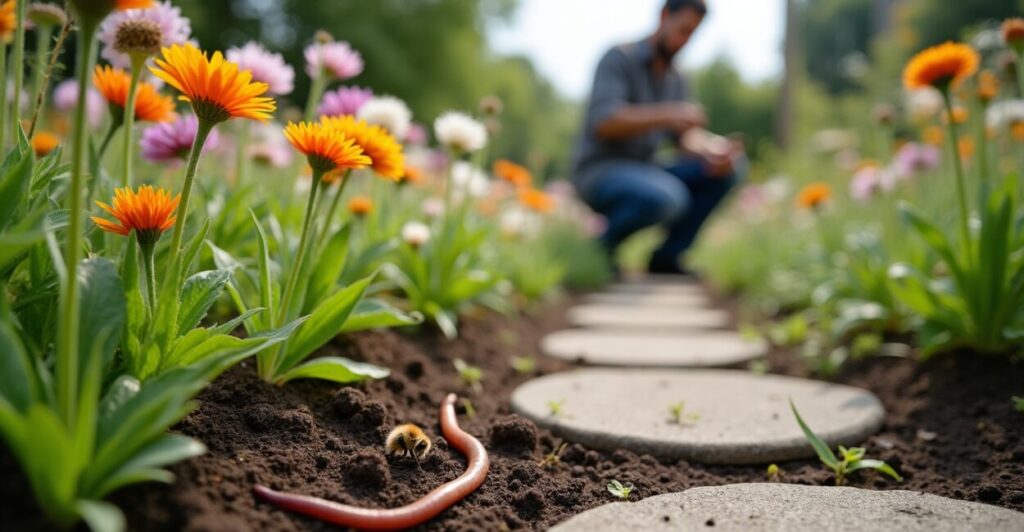
Plant fruit trees, berry shrubs, and culinary herbs to create productive green spaces. Edible gardens invite stewardship and communal harvesting rituals.
These spaces teach food literacy, increase local food security, and turn casual passersby into garden caretakers and advocates.
Case studies and lessons from Barcelona’s tiny plazas
Barcelona’s transformation of small public squares
Barcelona reimagined tiny plazas by swapping asphalt for seating, trees, and play elements. These interventions reclaimed space for people and play.
Designs focused on shade, social uses, and flexible surfaces—showing how modest budgets and bold design can create joyful green spaces.
Key takeaways for retrofit projects
Start small, measure impact, and iterate. Successful projects rely on local partnerships, temporary pilots, and community-led programming.
Barcelona’s plazas prove that quick, testable pocket-park ideas can scale and catalyze broader street improvements across neighborhoods.
Materials, maintenance, and funding options
Cost-effective materials and sustainable choices
Choose permeable pavers, recycled timber benches, and native soil mixes. Durable low-carbon materials cut long-term costs and environmental impact.
Integrate rain gardens and swales to manage runoff. Small investments in design save maintenance time and enhance ecosystem service value.
Funding, partnerships, and stewardship models
Tap municipal grants, local nonprofits, and business improvement districts for funding. Partner with schools and community groups for ongoing care.
Adopt-a-park programs and volunteer stewardship create shared ownership, reducing maintenance costs and building neighborhood investment.
How to build a pocket park: a clear, actionable roadmap
Step-by-step implementation plan
- Assess site: observe sun, wind, and foot traffic.
- Engage neighbors: host a quick vision session.
- Create a simple design emphasizing shade and seating.
- Secure permissions and small funding sources.
- Install plants, seating, and permeable surfaces.
- Organize ongoing stewardship and programming.
Follow these steps to move from idea to thriving pocket park. Each step centers community input and low-cost solutions.
Quick wins and pilot tactics
Use movable planters, temporary seating, and painted curb extensions to test ideas fast. Pilots reveal what works before permanent investment.
Document usage and collect feedback. Successful pilots often convert skeptics into passionate supporters and long-term funders.
Measuring impact and scaling successful green spaces
Metrics for social and ecological success
Track footfall, volunteer hours, biodiversity sightings, and temperature reduction. Simple metrics show value to funders and city officials.
Use photos, short surveys, and inexpensive environmental sensors to quantify benefits and tell a compelling story for scale-up.
Scaling strategies and policy influence
Document pilot successes and present clear benefits to local councils to unlock street-level policy shifts and larger funding streams.
Bundle multiple pocket-park wins into neighborhood campaigns to advocate for permanent street redesigns and public investment.
Conclusion
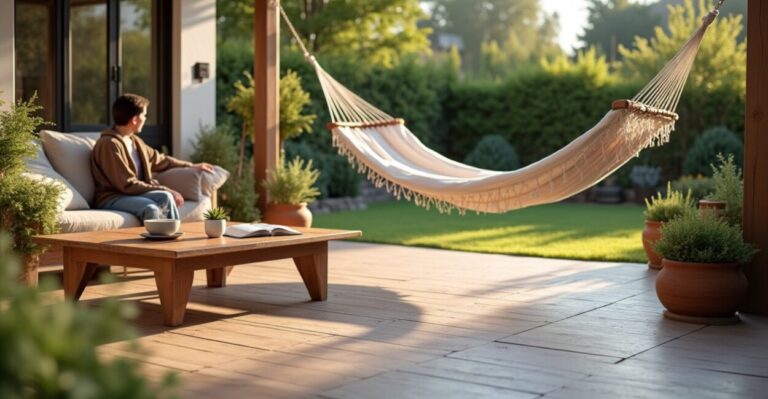
Small, thoughtful green spaces transform streets into living places—cooler, friendlier, and more biodiverse. They mirror the opening image: a mini-forest or edible plaza bringing daily delight.
Start with a tested pilot, involve neighbors, and let these pocket parks grow into community anchors that reshape how your city experiences public space.
FAQ
How much space is needed to create a meaningful pocket park?
Meaningful pocket parks can be created in as little as 10–50 square meters. Even tiny footprints allow trees, seating, and layered planting that support biodiversity and social use. Size determines planting choices and seating arrangements, but thoughtful design maximizes benefits: use vertical planting, multi-functional benches, and modular planters. Prioritize shade, native species, and permeability. Small areas with good maintenance and community buy-in can deliver outsized impacts on local microclimate, social interaction, and neighborhood identity.
What are low-cost ways to test a pocket-park idea?
Test ideas with movable planters, temporary seating, painted surfaces, and pop-up events. These low-cost pilots reveal usage patterns and community response without permanent infrastructure. Host short activation days with local groups to gather feedback and photos. Use inexpensive sensors and informal surveys to collect data that attract funding. Pilots should run for weeks to capture different weather and routines. Successful temporary activations often convert into permanent investment once benefits become visible to residents and officials.
Which plants work best for urban mini-forests and edible gardens?
Choose native trees, drought-tolerant shrubs, and layered groundcover suited to local climate. For edible gardens, pick hardy fruit trees, berry-producing shrubs, and perennial herbs. Prioritize species adapted to urban soils and pollution, and include pollinator-friendly flowers. Avoid high-maintenance exotics. Consult local extension services or botanical gardens for plant lists tailored to your region. Combining natives with a few productive edibles creates resilient ecosystems that require less watering and support wildlife while offering community harvests.
How can communities ensure long-term maintenance and care?
Build stewardship through adopt-a-park programs, school partnerships, and rotating volunteer shifts. Secure modest municipal support for infrastructure and link maintenance to local nonprofits for continuity. Create clear maintenance plans with seasonal tasks and simple schedules. Offer training days and community events to build skills and social bonds. Installing durable materials reduces upkeep, and small funding pools or donations can cover supplies. Long-term success depends on shared ownership, visible leadership, and consistent programming that keeps people engaged.
Where can I find design inspiration and technical guidance?
Look to successful projects like Barcelona’s tiny plazas, community forestry initiatives, and municipal park programs for inspiration and technical resources. Urban design offices, nonprofit organizations, and university extension programs publish guides on planting, stormwater design, and community engagement. Use case studies to adapt concepts to local constraints and consult local authorities early about permits. Combining proven design templates with local knowledge creates resilient, context-appropriate green spaces that perform well and win public support.
External resources: Barcelona municipal parks, urban greening research, and Royal Horticultural Society guidance.