Warning: Cannot modify header information - headers already sent in /home/u278635817/domains/mymorninglife.com/public_html/wp-content/plugins/artigosgpt/artigosgpt.php on line 29509
Warning: Cannot modify header information - headers already sent in /home/u278635817/domains/mymorninglife.com/public_html/wp-content/plugins/artigosgpt/artigosgpt.php on line 29509
You’re standing in front of the office snack drawer at 3 PM, hungry and convinced a granola bar is your only option. Pause. There are better moves. This guide hands you a curated list of satisfying healthy snacks that curb cravings while cutting calories—plus portion ideas, nutrient-focused combos, and timing hacks to stay full between meals without sacrificing flavor.
1. The Quick Win: 5 Snacks Under 150 Calories That Actually Fill You Up
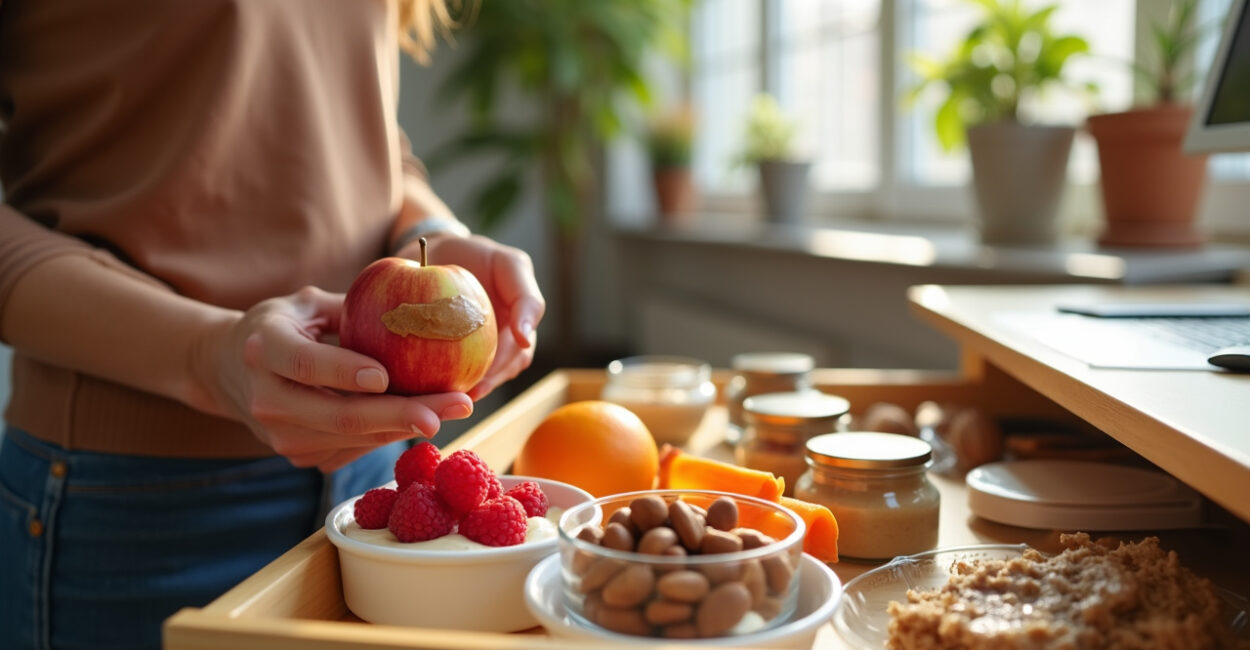
Small calories, big satisfaction is possible. These options pair protein and fiber, the combo that quiets hunger fast. Try Greek yogurt with a few berries, a small apple with 1 tbsp peanut butter, or 10 almonds plus a clementine. Each is under 150 calories but delivers staying power.
- Plain Greek yogurt (½ cup) + 6 raspberries — protein + fiber.
- 10 raw almonds + clementine — healthy fat + Vitamin C.
- Carrot sticks + 2 tbsp hummus — crunch and savory comfort.
Healthy snacks like these beat empty-calorie treats because they slow digestion and keep energy even. Use them when you need a quick reset.
2. The Timing Trick: When to Snack So You Don’t Overeat Later
Snacking is a skill, not a weakness. Snack at the right time and you prevent overeating at dinner. Aim for a mid-morning snack if your breakfast was light, or a mid-afternoon pick-me-up 3–4 hours after lunch. Avoid snacking right before dinner; that often delays real hunger and ruins your appetite for a balanced meal.
- 8–10 AM: if breakfast was small — choose protein-based healthy snacks.
- 2–4 PM: pick carbs + protein to sustain focus.
- Late-night: skip or choose low-calorie options like herbal tea and cucumber slices.

3. The Nutrient Combos That Quiet Cravings for Hours
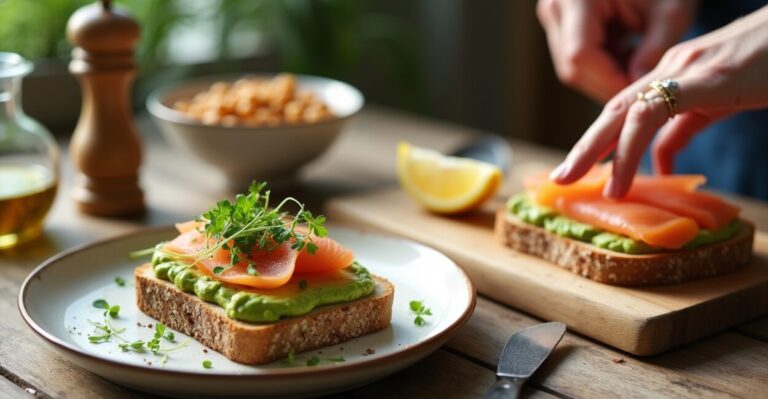
Protein + fiber + a little fat = the hunger-killing trio. That’s the simple chemistry behind satisfying healthy snacks. Protein signals fullness. Fiber slows digestion. Fat adds flavor and satiety. Combine them in small portions for maximum effect.
- Cottage cheese + sliced peach — protein + fiber.
- Whole-grain crackers + turkey slices — lean protein + complex carb.
- Edamame + lemon and sea salt — plant protein that fills you up.
4. Portion Ideas and Swaps That Trim Calories Without Feeling Deprived
Portion control doesn’t mean tiny bites of nothing. It’s about smart swaps that keep taste and cut calories. Replace mayo with Greek yogurt in dips. Swap chips for air-popped popcorn. Trade a giant muffin for a small banana and 1 oz of mixed nuts. The result: same satisfaction, fewer empty calories.
| Typical Snack | Lower-Cal Swap | Why it works |
|---|---|---|
| Bag of chips | Air-popped popcorn (3 cups) | Volume without the oil |
| Creamy dip | Greek yogurt dip | More protein, less fat |
| Sugary cereal | Oatmeal with cinnamon | Fiber and steady energy |
5. The Three Mistakes People Make with Healthy Snacks (and How to Fix Them)
Most people think “healthy” equals automatic success. It doesn’t. These common errors sabotage progress more than a cookie ever could.
- Eating “healthy” in unlimited amounts — even nuts add up. Fix: pre-portion into small bags.
- Relying only on low-fat packaged snacks — they often hide sugar. Fix: read labels and choose whole foods.
- Snacking out of boredom, not hunger — it becomes habit. Fix: pause and assess true hunger on a 1–10 scale.
6. A Surprising Comparison: Supermarket Bars Vs. Homemade Combos
Expectation: granola bars are healthy. Reality: many pack sugar and calories like candy. Homemade combos almost always win for nutrition and cost. Compare a store bar (200–300 calories, high sugar) to a homemade mix—plain Greek yogurt, 1 tbsp honey, and 2 tbsp oats (about 150 calories). You get less sugar, more protein, and better satiety.
Next time you’re tempted by packaging, try building a quick snack—chances are you’ll feel fuller for less.
7. Snack Prep Hacks That Make Healthy Choices Automatic
Planning beats willpower. Spend 20 minutes once or twice a week and your snack life changes. Pre-portion nuts, slice veggies into containers with hummus, and cook a batch of hard-boiled eggs. Keep a “travel pack” in your bag with a protein source and a fruit. When hunger hits, you act—rather than react.
- Sunday prep: cut veggies, portion dips, pre-boil eggs.
- Work stash: single-serve nut packs, an apple, string cheese.
- At-home: frozen fruit packs for quick smoothies.
Mini story: She used to raid the pantry at 4 PM, then crash at 6. After swapping chips for carrot sticks and 2 tbsp hummus, she stopped needing the evening cookie. The change happened in a week—small swaps, consistent timing, and pre-portioned snacks made the difference.
Want evidence this works? The CDC highlights that balancing calories and nutrients reduces weight gain risk, and Harvard Health explains protein and fiber’s role in satiety. Read more at CDC Healthy Eating and Harvard Health — feeling full.
Pick one swap, time your snack, and prep it this week. You’ll stop the 3 PM crash and feel better by dinner. That’s the whole point.
Closing Thought
Snacking isn’t the enemy—mindless snacking is. Choose nutrient combos, control portions, and use timing to your advantage. Do that and healthy snacks stop being a compromise and become a tool.
What Counts as a Healthy Snack If I’m Trying to Lose Weight?
A healthy snack for weight loss pairs protein and fiber to keep you full with fewer calories. Think half a cup of plain Greek yogurt with berries, a small apple with 1 tablespoon of peanut butter, or 10–12 raw almonds with a clementine. Portion control matters: pre-portion servings to avoid overeating. Also watch added sugars and refined carbs—swap sugary bars for whole-food options that provide steady energy and reduce the urge to binge later.
How Often Should I Snack During the Day?
Snack frequency depends on your meal timing and activity. A good rule: eat a snack if 3–4 hours passed since your last meal and you feel real hunger or low energy. For many people that means one mid-morning and one mid-afternoon snack. Heavy exercisers may need more. The goal is to prevent extreme hunger that leads to overeating at the next meal. Keep snacks small and nutrient-dense rather than grazing all day.
Are Store-bought Protein Bars a Good Healthy Snack Option?
Some store-bought bars are convenient, but many are high in sugar and calories and low in real protein. Read labels: aim for 10–15 grams of protein, under 8–10 grams of added sugar, and whole-food ingredients. Better yet, make simple combos like a hard-boiled egg plus a piece of fruit or Greek yogurt with nuts. These options often deliver more satiety and fewer hidden ingredients than processed bars.
Can Snacks Help with Late-night Cravings Without Ruining Sleep or Calories?
Yes—choose low-calorie, low-sugar, and easy-to-digest snacks if you wake up hungry at night. Examples: a small banana, a half-cup of cottage cheese, or cucumber slices with a teaspoon of tahini. Avoid heavy, spicy, or sugary foods close to bedtime; they can disrupt sleep and spike insulin. Also check if the craving is true hunger or habit—drinking water or herbal tea first can help you decide.
How Do I Snack on a Budget While Keeping It Healthy?
Healthy snacking on a budget is doable with planning and simple staples. Buy in-season fruit, bulk oats, canned beans, and eggs—they’re inexpensive and versatile. Prep snack packs of carrots and hummus, portion nuts into single servings, and make yogurt + fruit bowls from larger tubs of plain yogurt. Cooking in batches and using frozen fruit for smoothies save money and reduce waste while keeping your snack options nutritious and ready.