
Warning: Cannot modify header information - headers already sent in /home/u278635817/domains/mymorninglife.com/public_html/wp-content/plugins/artigosgpt/artigosgpt.php on line 29509
Warning: Cannot modify header information - headers already sent in /home/u278635817/domains/mymorninglife.com/public_html/wp-content/plugins/artigosgpt/artigosgpt.php on line 29509
She glanced at her phone, braced for the crowded subway, and then did something small: three slow breaths. The tight chest unknotted, the world sharpened, and the ten-minute ride stopped being a grind. That shift — using commute mindfulness — is the tiny habit that changes the whole day.
Why Five Minutes on the Commute Beats an Hour of Scattered Willpower
Five focused minutes can reset your nervous system faster than scrolling a feed. When you give your brain a deliberate pause, it shifts from autopilot to presence. That short reset reduces stress, improves attention, and makes decisions later in the day clearer. Think of it as a mini charge for your mental battery.
The Discreet Anchors That Work on Buses, Trains, or While Walking
Noticed a rhythm, a texture, a small object? Use it. Anchors are neutral sensory cues that bring you back without drawing attention. Examples that fit any commute:
- Footsteps hitting the pavement
- The hum of the train doors
- The weight of your bag on one shoulder
- The taste of a sip of water
Choose one anchor and pair it with breath — that makes the practice invisible and powerful.
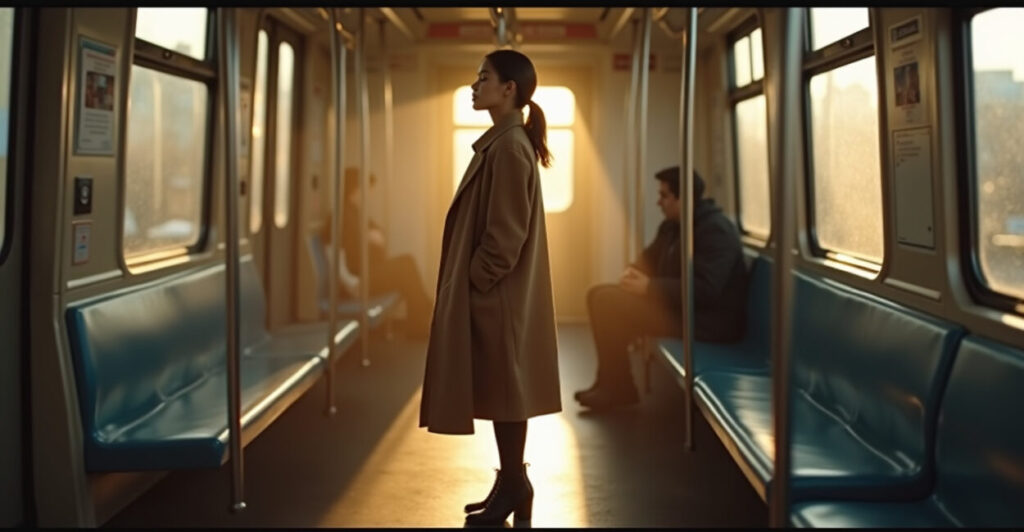
Three Breaths and a Cue: A Simple Micro-practice to Try Now
Step 1: pick an anchor (your feet, breath, or a sound). Step 2: inhale for four counts, hold one, exhale for six. Repeat three times. Step 3: label the moment “arrive.”
That label and breath combo builds a mental doorway you can use again and again. It takes under five minutes and fits a packed commute.
Mistakes People Make — And What to Avoid
Most people sabotage commute mindfulness without realizing it. Common errors:
- Expecting a miracle on the first try
- Trying to empty the mind instead of noticing it
- Using complex techniques that need privacy
- Multitasking while breathing shallowly
Avoid these and keep the practice simple, repeatable, and discreet.
The Surprising Before/after: Commute with and Without Mindfulness
Before: you step off the train tense, reactive, and late to meetings. After: you step off calmer, focused, and physically relaxed. The change is not small. Consider it expectation vs. reality — the expectation that commuting must drain you, the reality that five minutes can flip the script.
Research supports this: brief breathing practices lower heart rate and reduce cortisol spikes. See practical findings at NIH and behavioral insights from Harvard Health.
A Quick, Real Scene: How It Plays Out in a Crowded Subway
He stood packed between strangers, phone tucked away. The train lurched. He noticed his jaw tighten. He sighed, exhaled through pursed lips, and shifted his weight to feel the floor under his feet. Three breaths. The tightness loosened. He opened his eyes and noticed the ad across the car as if it had been paused and then resumed.
That tiny pause altered his whole morning.
How to Make This a Habit Without Turning Your Commute Into a Task
Start by linking the practice to an existing cue: the moment your phone locks, the first stop announced, or the first step off the curb. Keep it two steps: anchor + breath. Track only consistency, not perfection. After two weeks it becomes automatic.
Small wins compound — five minutes a day builds a calmer baseline for your whole life.
FAQ
Can I Do Commute Mindfulness If I’m Anxious About Being Watched?
Yes. Commute mindfulness is designed to be invisible. Use subtle anchors like the pressure of your feet or a slow three-count breath. You can also practice by simply noticing sensations without changing your face or posture. The goal is internal — to shift your focus — not to display calm. Over time, even tiny, private cues lower anxiety and make public travel feel safer and less draining.
What If I Only Have One or Two Minutes on My Commute?
One to two minutes still helps. Short, focused breathing can drop stress markers quickly. Try a fast tri-breath: inhale four, hold one, exhale six, then soften your jaw and notice two tactile sensations (seat, bag). That brief ritual signals your nervous system to downshift. Repeat this micro-practice on multiple short rides; the cumulative effect adds up across a week.
Will This Interfere with Listening to Podcasts or Calls?
No — if you want, pair practices with audio. Use podcast pauses or song starts as anchors. If you’re on a call, briefly bring attention to your feet or breath while still listening. The point is not to stop activity but to add presence. Over time, you’ll notice multitasking less and engaging more, making podcasts and conversations feel richer, not shallower.
How Long Before I Notice Real Benefits from Commuting Mindfully?
Many people notice immediate effects: less tension after a single practice. For lasting shifts in mood and attention, expect two to four weeks of daily five-minute sessions. Consistency matters more than duration. Small, regular practices change baseline stress levels and sharpen focus. If you combine this habit with better sleep and movement, you’ll see results faster.
Are There Any Risks or Things to Check with a Doctor?
Commute mindfulness is low risk for most people. However, if you have a history of panic attacks, trauma, or dissociation, certain breath techniques can feel intense. In those cases, use gentle, short breaths and safe anchors like touching a wrist. If you’re unsure, check with a healthcare provider. Mindfulness complements medical care but is not a substitute for professional treatment.