

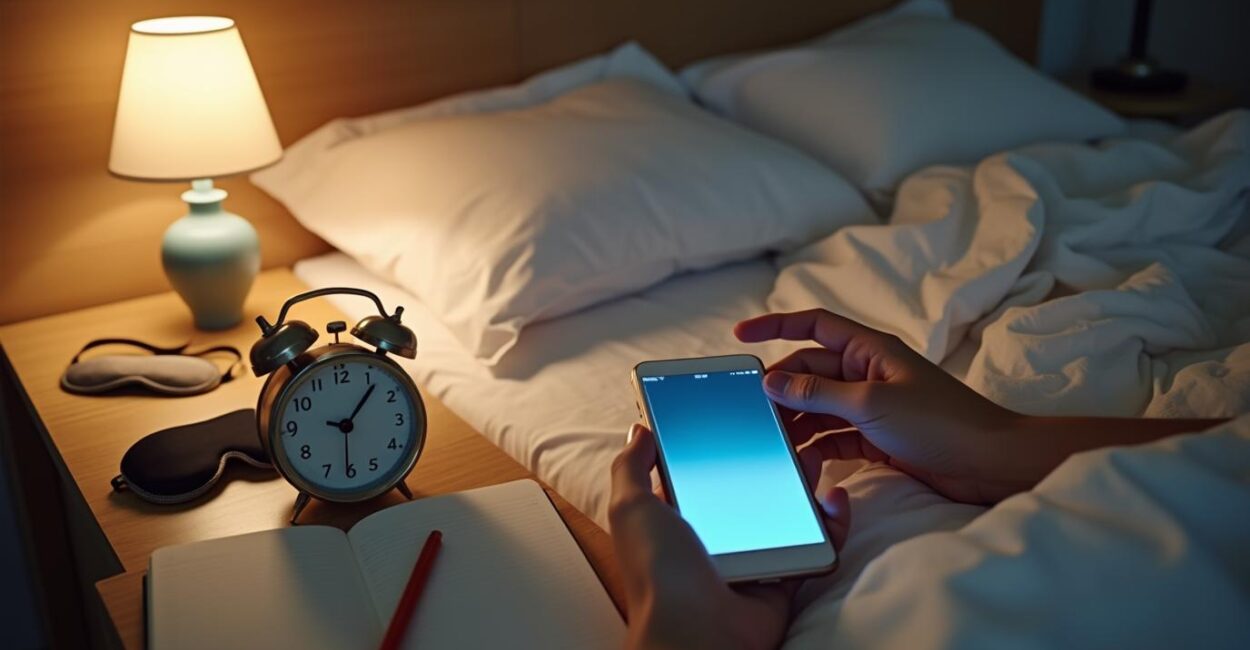
Do you wake up drained despite eight hours in bed? Sleep habits shape how you feel by morning — and small, intentional tweaks can flip fatigue into energy. This article explains what sleep habits are, why they matter now, and how to change them for better mornings.
With screens, stress and shifting schedules, restoring a healthy circadian rhythm is urgent. We’ll compare simple interventions — lights‑out times, blue‑light filters, nap strategies — and show which moves improve mood, reduce sleep debt, and boost sleep quality by dawn.
Read on to discover practical, science-aligned adjustments, quick routines and step‑by‑step actions you can test tonight to wake up brighter. The focus throughout is on realistic sleep habits you can keep.
Contents
ToggleNightly rhythm: set a consistent bedtime and protect your circadian rhythm
Consistent sleep habits anchor your circadian rhythm, improve REM cycles and reduce sleep latency. A targeted lights‑out time stabilizes melatonin release, lowering morning fatigue.
Why a fixed bedtime matters
A stable bedtime trains your biological clock, aligning sleep stages and improving sleep quality. Regular timing reduces social jetlag and chronic sleep debt.
By going to bed around the same hour, you increase deep sleep and optimize REM, helping mood regulation and memory consolidation overnight.
How to choose your lights‑out hour
Pick a realistic lights‑out time based on wake time and required sleep duration. Prioritize consistency over perfect timing to support circadian stability.
For many, 22:00 can be ideal; for others, shift earlier or later by 15‑minute increments until mornings feel better.
Screen management: blue light, filters and evening routines
Evening screens disrupt melatonin, harming sleep quality and morning mood. Simple screen adjustments in your sleep habits can dramatically reduce sleep disturbance and nighttime arousal.
Use blue‑light filters and warm lighting
Enable device night modes two hours before bed and switch to warm bulbs. Reducing blue light supports melatonin production and shortens sleep latency.
Combine filters with dim, amber lighting to cue your brain that it’s time to wind down and prepare for restorative sleep stages.
Create a tech‑free wind‑down window
Set a no‑screen period before bed for reading, light stretching or journaling. This calms the autonomic nervous system and improves sleep onset.
Replace social feeds with low‑arousal activities to reduce cognitive stimulation, helping you fall asleep faster and wake up more refreshed.
Bedroom environment: optimize temperature, noise and comfort
Physical sleep environment affects sleep efficiency, REM balance and awakenings. Fine‑tuning temperature, bedding and noise control enhances overall sleep habits.
Temperature and bedding for deep sleep
Keep the room cool (around 16–19°C / 60–67°F) to support deep sleep. Breathable bedding and a comfortable mattress reduce micro‑awakenings.
Proper thermal regulation encourages uninterrupted slow‑wave sleep, translating to improved waking mood and less morning grogginess.
Manage noise and light intrusion
Use blackout curtains, white noise or earplugs to block disturbances. Darkness and quiet maintain REM cycles and reduce sleep fragmentation.
Consistent darkness encourages robust melatonin rhythms, which leads to steadier energy and a calmer mood upon waking.
Evening habits tested: compare simple tweaks (table + steps)
This section compares practical adjustments to common sleep habits: a 22:00 lights‑out rule, blue‑light filters, no‑screen windows, and brief evening exercise.
Quick comparison table
| Intervention | Effect on sleep | Best for |
|---|---|---|
| 22:00 lights‑out | Stabilizes circadian rhythm; reduces sleep debt | Shift workers, late sleepers |
| Blue‑light filter | Improves melatonin onset; shortens sleep latency | Screen users, remote workers |
| No‑screen wind‑down | Reduces arousal; improves sleep continuity | Insomniacs, anxious minds |
| Light evening exercise | Enhances sleep pressure; can improve REM timing | Active people, nap avoiders |
Step-by-step evening routine (featured snippet ready)
- Set lights‑out for a consistent time tonight.
- Enable blue‑light filters two hours before bed.
- Switch to warm, dim lighting and stop screens.
- Do 10 minutes of gentle stretching or journaling.
- Turn room temperature cooler and go to bed.
How to test these tweaks
Try one change per week to measure impact on sleep quality, mood and energy. Track bedtime, awakenings and perceived restfulness each morning.
Use a simple habit tracker or a sleep diary to compare nights and decide which combination of habits best reduces fatigue.
Daytime anchors: naps, sunlight exposure and caffeine timing
Daytime choices shape nighttime sleep habits. Strategic naps, morning sunlight and caffeine management influence circadian cues and sleep debt.
Sunlight and morning routines
Get 10–30 minutes of morning light to reinforce circadian timing. Natural light supports wakefulness and improves nighttime melatonin rhythms.
Combine sunlight with a consistent wake time to anchor your sleep schedule and enhance mood throughout the day.
Napping and caffeine guidelines
Limit naps to 20 minutes before 3pm to avoid sleep inertia. Avoid caffeine within 6–8 hours of bedtime to prevent sleep fragmentation.
These adjustments help preserve sleep pressure for nighttime, improving sleep efficiency and morning alertness.
Behavioral tools: cognitive strategies and sleep hygiene
Behavioral changes—relaxation, stimulus control and cognitive reframing—are core to durable sleep habits. They reduce bedtime anxiety and insomnia-driven awakenings.
Stimulus control and relaxation
Reserve the bed for sleep and intimacy; leave the bedroom if unable to sleep. Practice breathing or progressive muscle relaxation before bed.
These habits weaken negative associations with bed and speed sleep onset, leading to less nighttime worry and better morning mood.
CBT techniques and mindset shifts
Use brief cognitive strategies to reframe worries and limit bedtime rumination. Challenge catastrophic thoughts about poor sleep and reset expectations.
Over time, this lowers pre‑sleep arousal and improves sleep continuity, helping you wake less groggy and more emotionally balanced.
Tracking progress: metrics, tools and when to seek help
Monitoring sleep habits with the right metrics clarifies what works. Track sleep latency, awakenings, total sleep time and morning mood to evaluate interventions.
Useful tools and objective measures
Combine a sleep diary with wearable tracking or apps to monitor sleep stages, efficiency and circadian patterns. Use subjective mood ratings each morning.
These data help identify persistent problems like fragmented REM or insufficient deep sleep that simple tweaks can’t fix alone.
When to consult a professional
If daytime fatigue, snoring, or long sleep latency persist despite consistent habits, consult a sleep specialist. Conditions like sleep apnea require medical assessment.
Early evaluation prevents chronic sleep debt and supports targeted treatment, ensuring your sleep habits are guided by evidence and expertise.
Conclusion: small experiments, big morning gains
Improving sleep habits is less about perfection and more about targeted experiments. One change—like a fixed 22:00 lights‑out or a blue‑light filter—can reduce fatigue and lift your mood by morning.
Return to the opening idea: test one tweak this week, track your sleep and notice the emotional and cognitive benefits. Consistent micro‑changes build lasting, restorative sleep.
FAQ
How quickly will a lights‑out rule improve my mornings?
Adopting a consistent lights‑out time often shows benefits within one to two weeks as circadian alignment improves and sleep debt reduces. Initially you may notice easier sleep onset and steadier wake times, while mood and daytime energy tend to rise gradually. Keep the rule alongside reduced evening screen exposure and stable wake times for best results. Persistent issues after several weeks warrant deeper tracking or professional input to rule out sleep disorders or mood conditions interfering with recovery.
Do blue‑light filters really make a difference for sleep quality?
Blue‑light filters reduce short‑wavelength exposure and can help melatonin production, improving sleep latency and subjective quality for many people. The effect is stronger when paired with a no‑screen wind‑down, dim ambient lighting, and consistent bedtime. Filters are not a cure-all: cognitive arousal from content still disrupts sleep. For measurable change, combine filters with behavioral habits and track improvements over at least a week to evaluate meaningful differences in sleep duration and morning mood.
Can short naps harm my nighttime sleep habits?
Short, early naps (around 20 minutes before mid‑afternoon) can boost alertness without significantly impacting sleep pressure, making them compatible with healthy sleep habits. Longer or late naps increase sleep inertia and may delay bedtime, fragmenting nocturnal sleep. If you struggle to fall asleep at night, avoid naps until your sleep schedule stabilizes. Use naps strategically for performance rather than as a substitute for consistent nighttime sleep to preserve circadian cues and reduce chronic sleep debt.
Which daytime behaviors most influence evening sleep quality?
Morning light exposure, consistent wake time, limited caffeine intake after midday, and regular physical activity are key daytime influencers on evening sleep quality. These behaviors strengthen circadian entrainment, build sleep pressure, and reduce nighttime arousal. Eating large meals late, irregular schedules, and excessive afternoon caffeine counteract sleep habits. Implementing morning sunlight and timing exercise earlier in the day often yields the fastest improvements in nocturnal sleep continuity and next‑day mood.
When should I see a sleep specialist instead of self‑tweaks?
Seek a sleep specialist if you experience persistent excessive daytime sleepiness, loud snoring, witnessed apneas, chronic insomnia lasting months, or if small habit changes fail after several weeks. Medical evaluation is important for conditions like sleep apnea, restless legs or circadian rhythm disorders. A specialist can provide testing, tailored therapy (like CPAP or CBT‑I), and medical interventions. Early consultation prevents long‑term health impacts associated with untreated sleep disorders and supports personalized recovery plans.
External sources: CDC — Sleep and Sleep Disorders, National Sleep Foundation, and Harvard Health — Sleep.