

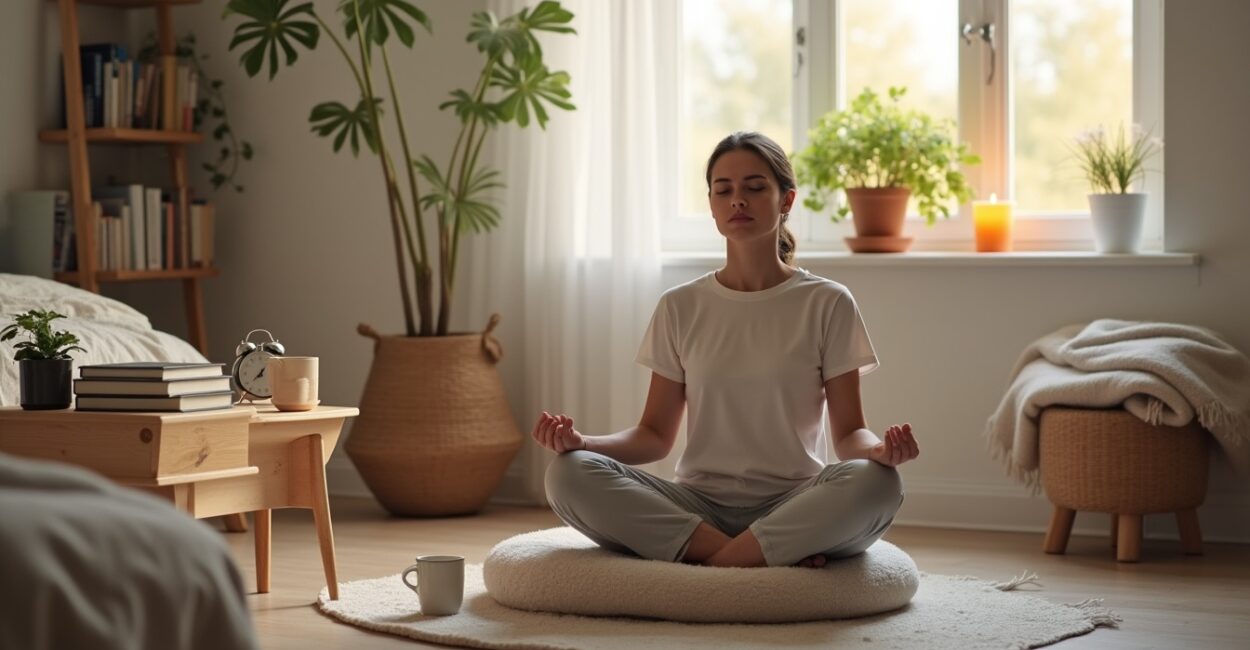
Imagine a quiet corner where your mind unclenches, your phone stays silent, and sleep arrives without scrolling. A tech-free rest zone can transform evenings, sharpen daytime focus, and restore calm in a world that never stops pinging.
In this article you’ll learn practical unplugged ideas—books, a meditation cushion, and plants—to design a tech-free rest zone that improves sleep and focus, why it matters now, and how to make it beautiful and habit-friendly.
Contents
ToggleWhy a tech-free rest zone matters now
Blue light from devices, constant notifications, and digital multitasking fracture sleep cycles and concentration. Creating a screen-free sanctuary supports sleep hygiene, circadian rhythm, and long-form focus.
When you remove screens from your bedroom or rest corner, you reduce mental clutter, lower stress hormones, and invite mindful rest. This section explains the science behind the shift toward a restorative, unplugged space.
Sleep science and device impact
Exposure to screens at night suppresses melatonin and delays sleep onset. Limiting screen time enhances REM cycles and overall sleep quality.
Small changes—like replacing late-night scrolling with reading—can improve deep sleep and next-day alertness, making evenings truly restorative.
Focus and cognitive recovery
Dedicating a tech-free area reduces cognitive load and interruptions, helping you concentrate and recover attention. It trains the brain to associate space with rest.
Regular device-free breaks increase sustained attention and reduce decision fatigue, boosting productivity and emotional balance.
Design essentials: books, meditation cushion, and plants
Curate tactile items that invite rest: a stack of comforting books, a supportive meditation cushion, and low-maintenance indoor plants. These elements promote calm, curiosity, and sensory grounding.
Choose quality over quantity: one favorite novel, a comfortable zabuton or buckwheat cushion, and a resilient plant like a snake plant or pothos create an inviting tech-free rest zone.
Choosing the right books
Opt for gentle fiction, poetry, or short essays that soothe rather than overstimulate. Pick physical books to avoid accidental notifications.
Create a small bedside shelf with rotating titles to keep reading fresh and avoid temptation to reach for a device.
Selecting a meditation cushion and plants
A supportive cushion encourages regular breathing and short meditations that calm the nervous system before sleep. Natural textures deepen relaxation.
Plants improve air quality and add biophilic comfort. Low-light houseplants help purify the air and cultivate a restful atmosphere without extra effort.
Layout and atmosphere for maximum calm
Position your tech-free rest zone away from outlets and TV sightlines. Soft lighting, cozy textiles, and a clear surface invite slow rituals like journaling or tea.
Create distinct cues—a ritual lamp, a small tray for books, and a basket for your meditation cushion—to signal the brain that it’s time to unwind.
Lighting and color choices
Use warm, dimmable lights or salt lamps to reduce blue light exposure. Neutral, muted tones encourage relaxation and reduce visual stimulation.
Avoid bright accent colors that increase alertness; instead, favor soft greens, warm beiges, and gentle blues for a soothing palette.
Furniture and spatial arrangement
Keep the area minimal: a low bench or floor cushion, a small side table for a cup, and a plant. Minimalism reduces decision fatigue and visual noise.
Arrange seating to face a calming focal point—a plant, a framed print, or soft textiles—so the space reads as restful at a glance.
Rituals and routines to enforce a screen-free habit
Rituals anchor behavior. Build a simple pre-bed routine—leave devices in another room, light your lamp, sit on the cushion for five minutes, and read one chapter.
Consistency trains the brain to respond to cues, making it easier to maintain a tech-free rest zone over weeks and months.
Evening wind-down sequence
Start with a device cutoff 60 minutes before bed, then hydrate, journal, meditate, and read. Short, repeatable steps increase adherence.
Rituals reduce restless thinking and cue relaxation hormones, setting the stage for restorative sleep without screens.
Weekend and midday resets
Use the tech-free zone for midday naps, reading breaks, or short mindful sessions to reset focus and energy. Treat the space as a wellness refuge.
Regular mini-resets in a screen-free corner help sustain attention and emotional balance during busy weeks.
Practical kit: items to buy and why they matter
Assemble a compact kit: one hardcover book, a meditation cushion, a night lamp, a small plant, a soft throw, and a simple alarm clock. Each item reduces friction to unplug.
Investing thoughtfully in a few tactile items creates a sensory-rich environment that feels worth protecting from screens.
Affordable vs. premium picks
Quality matters for comfort but doesn’t have to be expensive. Thrifted books, a mid-range cushion, and hardy plants offer excellent value.
For long-term habit formation, prioritize durability and comfort: a cushion you actually use and a lamp with a warm color temperature.
Storage and maintenance tips
Keep a small basket for books and a stepped charger station outside the zone for occasional device needs. Water plants weekly and air out textiles monthly.
Low maintenance keeps the space welcoming. Regular care prevents clutter and reinforces the sanctuary’s purpose.
Tracking benefits: sleep, mood, and productivity metrics
Measure the impact of your tech-free rest zone with simple metrics: sleep duration, sleep quality, daytime focus, and mood logs. Small improvements compound fast.
Keep a nightly note on sleep onset time and perceived restfulness. After two weeks you’ll notice trends—better sleep, calmer evenings, sharper mornings.
Simple tracking methods
Use a physical journal or a privacy-first pen-and-paper log to avoid tracking with apps. Record one sentence about sleep and one metric for focus.
Weekly reflections help you connect changes to the tech-free habit and adjust the environment or routine as needed.
Interpreting results
Look for increased sleep consistency, fewer nighttime awakenings, and improved attention spans. Small wins reinforce the change and boost motivation.
If results lag, tweak light levels, adjust cushion comfort, or change reading material to better support rest.
Common obstacles and how to beat them
Resistance often arises from habit, fear of missing out, or convenience. Tackle these with gradual changes, accountability, and attractive alternatives like a favorite book.
Design the tech-free rest zone to be the easier, more appealing option: make it cozy, accessible, and rewardingly calm.
Overcoming habit and FOMO
Start with short, device-free windows and build up. Tell a partner or friend to create social accountability and reduce FOMO anxiety.
Replace the urge to check devices with an engaging ritual—steaming tea, a chapter of a book, or a two-minute breathing practice.
Making upkeep effortless
Automate where possible: schedule device charging outside the room, keep a tidy basket for items, and choose low-maintenance plants to minimize chores.
Small systems reduce willpower demands and keep the tech-free rest zone consistently inviting.
| Item | Why it helps | Starter suggestion |
|---|---|---|
| Hardcover book | Replaces screens; soothes mind | Short stories or poetry |
| Meditation cushion | Encourages breathing and stillness | Zabuton or buckwheat cushion |
| Indoor plant | Biophilic calm and air quality | Snake plant or pothos |
- Choose a quiet corner and remove all charging cables.
- Place a lamp with warm light and one comforting book.
- Set a meditation cushion or comfortable seat.
- Add a low-light plant and a soft throw.
- Establish a nightly cutoff and practice the routine for 14 days.
Creating a tech-free rest zone is a small, intentional act with outsized results: deeper sleep, clearer focus, and a calmer mind. Return to the image of your quiet corner—steady, warm, and inviting—and know that each night you protect it, you build resilience against digital overwhelm.
Frequently Asked Questions
How soon will I notice sleep improvements after creating a tech-free rest zone?
Most people see changes within one to two weeks when they consistently avoid screens before bed and use the space for calming rituals. Initial benefits often include falling asleep faster and fewer nighttime awakenings. For sustained improvements in REM and deep sleep, continue the habit for four to eight weeks and pair it with consistent wake times and reduced evening caffeine.
Can a small apartment still have a meaningful tech-free rest zone?
Absolutely. A meaningful tech-free rest zone requires only a small, dedicated corner with a cushion, lamp, and a plant or book. Even a bedside tray or a chair by a window creates separation from devices. The key is consistency and clear cues that distinguish the space as screen-free, so the brain learns to relax whenever you enter it.
Which plants are best for low-light tech-free rest zones?
Low-light, low-maintenance plants like snake plant, pothos, ZZ plant, and cast iron plant thrive in dim corners and require minimal care. They add biophilic comfort and can improve perceived air quality. Choose species that match your care level and avoid high-maintenance varieties to keep the zone inviting and stress-free rather than demanding extra upkeep.
How do I resist checking my phone when I’m used to nighttime scrolling?
Start with small, incremental changes: set a device cutoff 30 minutes earlier, charge your phone in another room, and replace the habit with a short ritual like tea and reading. Social accountability helps—tell a partner or friend about your plan. Over time, the ritual will become more rewarding than the quick dopamine hit from scrolling.
Are there scientific studies supporting tech-free sleep routines?
Yes. Research links nighttime screen exposure to suppressed melatonin and delayed sleep onset, while behaviors like reading and mindfulness support sleep hygiene. Organizations such as the Sleep Foundation and peer-reviewed sleep studies highlight benefits of reduced evening screen time and increased pre-sleep relaxation practices for improved sleep quality and daytime functioning.
References: For more on sleep science and behavior change, see the Sleep Foundation (sleepfoundation.org) and Harvard Health (health.harvard.edu).