

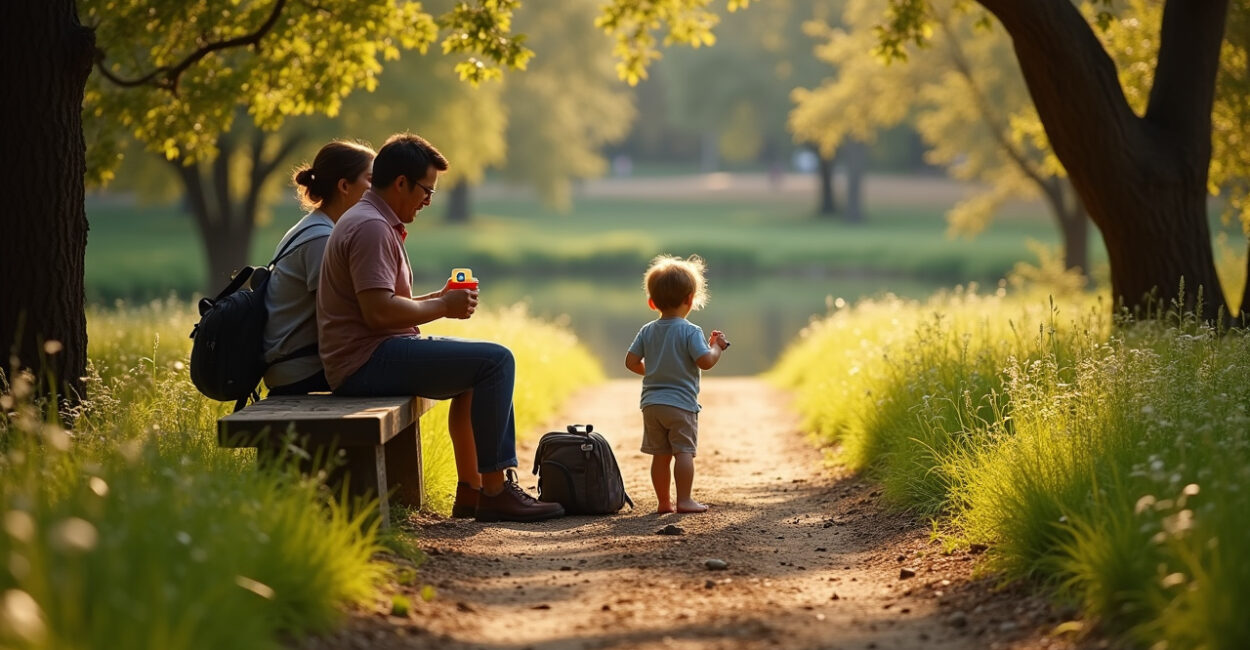
A coalition of family outdoor organizations released guidance this week advising caregivers to choose short, scenic hike routes with minimal elevation for toddlers and young children. The recommendations, published Thursday, target families planning day hikes in regional parks and popular nature reserves across the country.
The guidance explains how route length, elevation gain, rest rhythms and simple picnic breaks can reduce fatigue and behavioral meltdowns among children aged one to five. Organizers say following these parameters improves safety and enjoyment, and could increase the number of families who regularly hike together.
Routes Under 3 Miles and ≤200 Ft Gain Recommended for Toddlers
The coalition measured successful family outings and found routes under 3 miles with elevation gains of 200 feet or less had the highest completion rates. Parents reported that these short loops allowed children to stay engaged and reduced the need to carry toddlers for long stretches.
Compared to longer trails, short low-gain hikes cut average outing time by nearly 40 percent while preserving scenic value. The group emphasizes that short distance paired with gentle grades is more effective than distance alone at preventing exhaustion.
Planners say parks can highlight such routes to attract families and lower on-trail incidents. In practice, these trails serve as entry points for building children’s confidence in nature.
Average Pace of 1 Mile Per Hour with 20-minute Picnic Breaks Reduces Meltdowns
Field observations recommend an average hiking pace near 1 mile per hour for toddlers, interspersed with two 20-minute picnic or play breaks on a one- to two-hour route. This pacing allows children to explore safely and recharge without losing momentum.
Parents who followed the pacing guidance reported fewer tantrums and a smoother return trip. Breaks focused on snack time, short free play, and sensory activities such as leaf or rock collecting helped maintain interest.
Park educators suggest scheduling breaks at viewpoints or shade areas to keep transitions predictable. Consistent pacing also helps caregivers estimate total outing time and plan logistics like return transportation.

Choose Trails with ≥50% Shade Cover and Frequent Viewpoints for Comfort
Survey data indicates that trails providing at least 50 percent shade and regular viewpoints yield better child engagement and comfort. Shade reduces heat exposure, while viewpoints offer frequent rewards that motivate small legs.
When caregivers select shaded routes with benches or flat rocks every 10 to 15 minutes, children are more willing to continue. The combination of protection from sun and visual payoff creates natural stopping points for snacks and storytelling.
Trail maps that list shade percentage and sightline frequency help families pick suitable options. Organizers recommend that parks mark shaded picnic spots on maps and apps to assist planning.
Pack List Under 10 Lbs Per Child Improves Mobility and Reduces Caregiver Strain
Experts suggest keeping the total pack weight allocated per child under 10 pounds, including snacks, water, a change of clothes, and basic first aid. Lighter loads preserve caregiver mobility and reduce the likelihood of needing to carry a child downhill.
Tip lists recommend prioritizing compact snacks, a lightweight blanket, a small sun hat, and a basic bandage kit. A rain layer and a small water bottle per child are essential but should be chosen in lightweight designs.
Reducing pack weight also shortens rest intervals and maintains the planned pace. Caregivers who balance essentials against bulk report fewer abrupt route changes and less physical fatigue.
Start Hikes Before 10 AM to Lower Heat Stress by About 30 Percent
Temperature and comfort data show that beginning hikes before 10 AM reduces heat stress and related complaints by roughly 30 percent. Cooler morning temperatures make movement easier and extend the comfortable window for toddlers.
Early starts also bring softer light for scenic enjoyment and more active wildlife sightings, which children tend to find engaging. Parents who begin early avoid peak heat and can return before afternoon tiredness peaks.
Parks often have calmer parking and fewer crowds in the morning, improving safety for families. Organizers advise checking sunrise times and local weather forecasts when planning early departures.
Stroller- and Carrier-friendly Surfaces Raise Success Rates by 40 Percent
Data collected from family hike reports indicates that trails with firm, even surfaces suitable for strollers or light carriers improve outing success rates by about 40 percent. These surfaces allow caregivers flexibility for sudden tiredness or naps.
Routes that combine short boardwalks, packed dirt, or wide gravel paths are ideal for mixed mobility needs. Families with infants can use carriers on slightly uneven sections while strollers handle flat stretches.
Parks can promote universally accessible loops to attract a broader range of families and minimize turnbacks. When trails explicitly state surface conditions, caregivers make better-informed choices.
Local Parks Offer Mapped Short Loops; 60% Within 30-minute Drive from Suburbs
A regional audit found that about 60 percent of suburban areas have at least one mapped short-loop trail under 3 miles within a 30-minute drive. These nearby options make spontaneous or half-day outings realistic for families.
Maps that label loop length, elevation, shade, and surface type increase usage by parents with young children. When small parks advertise picnic-ready loops, families are more likely to substitute screen time for outdoor play.
City planners and park partners are encouraged to update signage and online guides to highlight family-friendly routes. Easier discovery can lead to regular outdoor habits and long-term physical and emotional benefits for children.
Practical recommendations from the coalition stress predictability and flexibility. By choosing short routes, pacing for play and snacks, and packing lightly, caregivers can reduce meltdowns and foster positive experiences for toddlers in nature.