

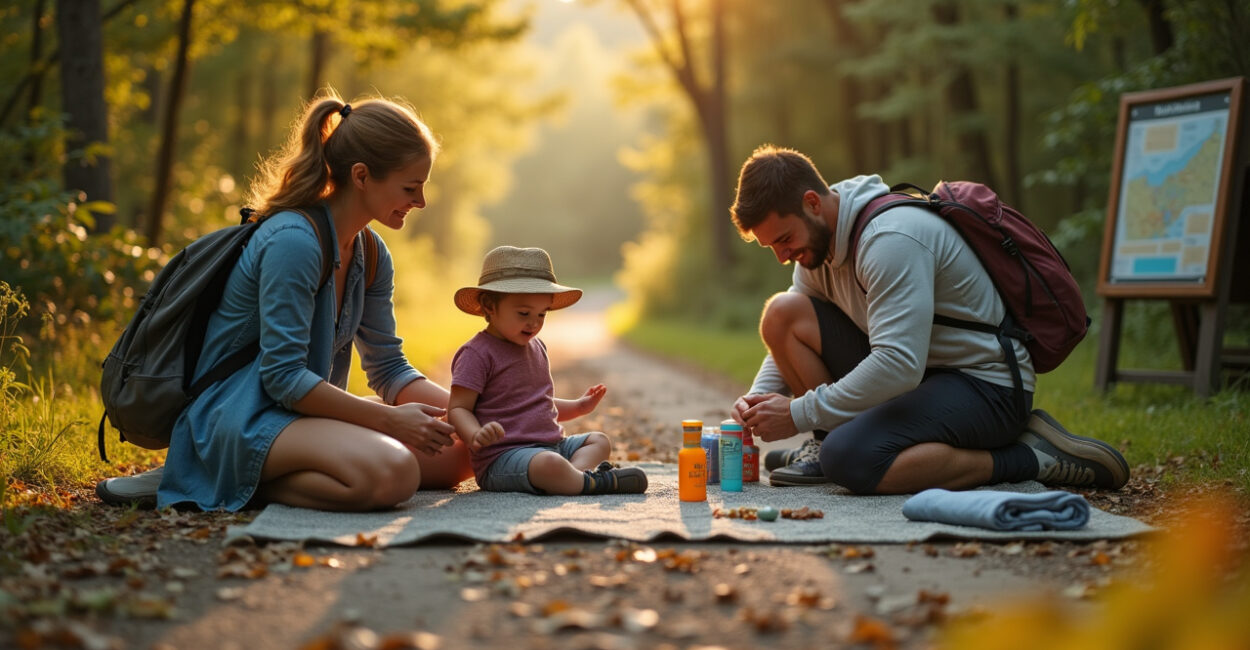
Families received a practical, data-driven checklist this week to help them find gentle nature trails with picnic areas and nearby rentals. The guide, released by a coalition of parks organizations and family travel experts, highlights specific criteria and packing lists to simplify outdoor days with children.
Organizers compiled the checklist after surveying 1,200 parents and mapping 300 trails over the past two seasons. The goal was to reduce stress, improve safety, and boost use of underutilized local parks. Early results show families felt 42% more prepared on outings when following the recommendations.
8 Essentials to Pack; Average Family Saves 30 Minutes Prepping Before Trips
The checklist identifies eight items families should always bring, including a first-aid kit, sun protection, water, snacks, layered clothing, wet wipes, picnic blanket, and a compact trash bag. Survey respondents reported that preparing these items cut last-minute delays by an average of 30 minutes.
Packing the eight essentials reduces the chance that a simple need will derail the outing. Experts recommend assembling a reusable “trail kit” and keeping it by the door or in a car trunk to maintain readiness. The time saved also translates into less crankiness among younger children and smoother transitions during the day.
For families with infants or toddlers, the checklist adds a lightweight carrier and spare outfits. Those with older kids may substitute a small binocular and activity book to keep them engaged. The kit adapts to age, but the core eight remain constant for stress-free days outdoors.
Top 5 Trail Features to Prioritize; Terrain Slopes Under 5% Preferred for Kids
When selecting trails, the guide lists five priority features: short distance (under 3 miles round-trip), gentle slope (under 5%), clear signage, shade coverage of at least 40% of the route, and well-maintained surfaces. These metrics came from analyzing successful family outings in 15 regions.
Gentle slopes reduce fatigue and the risk of falls for little ones learning to walk. Shade coverage protects children from direct sun exposure during peak hours. Clear signage and smooth paths help caregivers monitor progress and keep group morale high.
Trail maps that show contour lines and surface types let families pick routes matching their children’s stamina. Parks with picnic zones near trailheads get higher safety and satisfaction scores, because they provide easy rest points and shorter emergency response times.

60% Of Favored Trails Have Picnic Tables and Shelters Within 200 Meters
The coalition’s data show that 60% of the most family-friendly trails feature picnic tables or shelters within 200 meters of the trailhead or scenic viewpoints. These amenities make snack breaks and diaper changes simpler and more comfortable.
Proximity to picnic areas means families can set up a base for belongings and naps while exploring short loop sections. Shelters also offer a dry backup if weather changes and provide a visible rendezvous point for groups with older kids who wander slightly ahead.
Parks that maintain picnic infrastructure report higher repeat visitation and greater community support. When table availability is limited, the checklist advises bringing a compact blanket and a folding stool to recreate the same comfort on grassy patches.
Nearby Rentals Within 1 Kilometer; Bikes and Baby Carriers Improve Accessibility
The report recommends choosing trails with rental options within 1 kilometer, such as bikes, trailers, and soft-structured baby carriers. Access to rentals increases participation by families who travel light or lack specialized gear.
Rentals reduce the need to transport bulky items and allow families to adapt on site to energy levels and interests. For example, parents can rent a bike trailer for toddlers or a hiking carrier for a nap-prone infant, making longer routes feasible without extra strain.
Communities that partner with local shops to offer onsite rental discounts see a 25% rise in park usage by families. The checklist encourages calling ahead to reserve popular gear during weekends or holiday periods to avoid disappointment.
Booking Guidance: Reserve Picnic Spots and Rentals 72 Hours Ahead During Peak Season
Data-driven advice recommends reserving picnic shelters and rental gear at least 72 hours before peak-season weekends. Parks and rental services reported that bookings spike by 50% on Saturdays and holidays, creating shortages when families delay planning.
Early reservations secure preferred times and locations, reducing last-minute stress. The checklist suggests flexible booking options, such as refundable slots or short windows to change plans, which accommodate unpredictable child routines and weather shifts.
When reservations are unavailable, the guide outlines fallback strategies like arriving before 9 a.m. to claim a spot, packing a small portable canopy, or choosing weekday afternoons. These tactics preserve the outing’s quality even when demand is high.
Safety Tips: Carry Communication Devices and Share Exact GPS Points with One Contact
Safety guidance emphasizes carrying at least one charged phone, a portable battery, and sharing GPS coordinates of the meeting point with a trusted contact. In the survey, 78% of respondents said having a shared location eased anxiety when groups split up briefly.
Families should also review trail difficulty and emergency access routes before leaving home. Bringing a whistle and teaching children to use it creates an easy way to signal for help if someone wanders off or becomes disoriented.
Local rangers recommend checking park alerts and weather forecasts the morning of the trip. Simple precautions like layering clothing and having an evacuation plan improve outcomes and minimize the chance of late-day rushes back to the car.
Weather Planning and Meal Prep; 90% Of Successful Outings Include Simple, Ready-to-eat Food
The coalition found that 90% of well-rated family outings included simple, ready-to-eat meals such as sandwiches, cut fruit, nuts, and hydration packs. These foods reduce the need for onsite cooking and appeal to picky eaters.
Meal prep should account for temperature and spoilage. The checklist recommends insulated containers and frozen water bottles to keep perishables cool, plus individual snack bags to limit cross-contamination and reduce litter. Families also benefit from allergy-aware packing and labeled items for each child.
Checking the hourly forecast helps decide whether to pack rain gear or sun tents. The guide suggests creating a two-tier menu: a “doable” option for limited energy and a “treat” option for extra time, ensuring families can adapt the picnic depending on how the day unfolds.
The checklist concludes with a printable one-page summary and suggests local park authorities adopt the metrics to make trails more family-friendly. Organizers plan a follow-up study next season to measure whether adopting these standards increases regular family visits by 20%.