

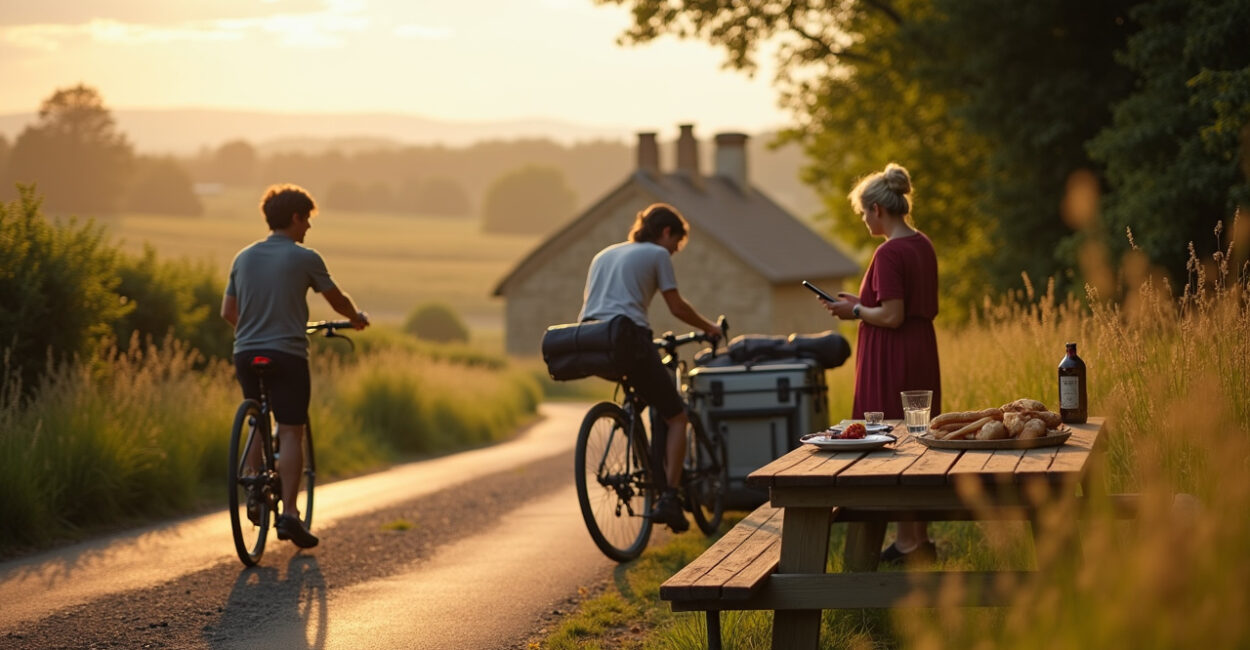
Cycling operators and rural hosts launched a practical planning approach this season to improve multi-day farmstay cycling tours across temperate regions. The initiative targets tour leaders, independent cyclists, and agritourism farms running stays between spring and autumn.
Organizers say optimized route sequencing, dedicated luggage transfer, and curated food stops reduce strain and increase enjoyment for riders. Early results show shorter daily rides, higher guest satisfaction, and more consistent bookings for participating farms.
Route Sequencing Reduces Daily Mileage by 30%; Typical Rides Fall to 40–60 Km
Tour planners report that intelligent sequencing of stages reduces unnecessary backtracking, cutting average daily mileage by about 30 percent. By linking farms, scenic lanes, and low-traffic roads, the typical recommended ride becomes 40 to 60 kilometers per day.
This reduction compares favorably with conventional point-to-point routes that often force riders into longer transfers. Shorter daily distances allow more time for farm activities, rest, and local engagement without altering the overall length of the tour.
The impact extends to rider comfort and safety, with fewer fatigue-related incidents and better adherence to schedules. Operators note that clearer, shorter stages increase repeat bookings and positive reviews.
Sequencing by Elevation and Wind Cuts Climb Exposure by Up to 20%; Plan by Topography
Planners emphasize matching stage order to elevation and prevailing winds, reducing climb exposure by an estimated 15 to 20 percent. Sequencing uphill segments when winds are lighter and grouping descents improves energy management for most riders.
Comparisons with routes planned solely by distance show fewer steep segments in the optimized model. The strategy blends elevation profiles, rest stops, and farm locations to create evenly paced days.
For groups with mixed abilities, this approach minimizes the need for motorized support and keeps average speeds steady. It also enhances scenery enjoyment, because riders spend less time struggling on long climbs.

Luggage Transfer Options Span 3 Models; Same-day Transfer in 90% Of Cases
Operators offer three primary luggage transfer models: self-transfer, contracted courier, and in-house farm relay, with same-day delivery feasible in roughly 90 percent of cases. Self-transfer suits light-pack riders, while contracted couriers serve longer distances and tight schedules.
In-house farm relay depends on local networks and often provides the highest reliability in rural areas. Costs vary: self-transfer is minimal, courier services charge per kilometer, and farm relay is usually included in premium packages.
Reliable luggage movement reduces rider load by 5 to 8 kilograms on average, improving comfort and speed. Planners recommend confirming pickup windows and contingency plans to avoid missed deliveries.
Recommended Food Stops: Three Daily Options; Focus on Protein and Seasonal Produce
Guides advise planning three food stops per day: a morning snack, a main lunch, and an afternoon refreshment, emphasizing local protein and seasonal produce. These stops align with energy needs and support local businesses, often farm stands and homestead kitchens.
Menus should prioritize easily digestible proteins, carbohydrates, and hydrating options, such as yogurt, whole-grain breads, stews, and fruit. Riders are encouraged to sample farm cheeses and vegetable dishes to connect with the locale.
Staggered stops also allow riders to recover and socialize, which increases enjoyment and perceived value. Tour leaders report higher satisfaction when food stops are pre-arranged and advertised during booking.
Farmstay Density of One Property Every 25–35 Km Improves Logistics and REST
Successful itineraries average one farmstay every 25 to 35 kilometers, balancing riding time and overnight comfort. This density allows flexible routing and easier emergency options without forcing excessively short stages.
Close farm options reduce dependence on motorized transfers and let riders experience different agricultural practices. Hosts benefit from predictable arrival windows and the opportunity to showcase local produce directly to guests.
The result is higher comfort levels and better sleep quality, which enhances next-day performance. Farmers also report increased direct sales and follow-up visits from satisfied guests.
Packing and Gear: Limit Luggage to 7–10 Kg; Essential Items Prioritized
Planners recommend a packing limit of seven to ten kilograms per rider to keep bikes nimble and transfers efficient. Essentials include a lightweight repair kit, layered clothing, sun protection, and a compact first-aid kit.
Optional items, such as full camping gear or heavy kitchenware, increase transfer complexity and reduce daily comfort. Many farmstays provide towels, basic toiletries, and sometimes washing facilities, allowing riders to travel lighter.
Adhering to strict packing lists reduces transfer costs and speeds up check-ins. Tour leaders find that lighter luggage improves group cohesion and reduces mechanical strain on bicycles.
Sample Four-day Itinerary Shows 150 Km Total; Meals and Transfers Scheduled for Comfort
A representative four-day farmstay itinerary totals about 150 kilometers, averaging 37 to 40 kilometers per day with two scheduled food stops and same-day luggage transfer. Day layouts factor in morning departures, a long lunch at a farmhouse, and late-afternoon arrival windows.
The sample route alternates flat valley segments with short rolling hills, keeping cumulative climbing moderate. Each overnight includes a farm-hosted dinner featuring local produce and optional morning chores or tastings.
This structure balances activity and immersion, appealing to both recreational cyclists and active travelers. Early pilot tours using this template report higher net promoter scores and repeat bookings.
Overall, the combined practices of efficient sequencing, clear luggage options, curated food stops, and measured farm density create more enjoyable and manageable multi-day farmstay cycling tours. Riders gain more leisure time, hosts secure consistent revenue, and operators reduce logistical friction.
Tour leaders considering adoption should run small pilot itineraries, collect rider feedback, and refine transfer contracts. With incremental adjustments, the model scales across regions while preserving local character and rider comfort.