

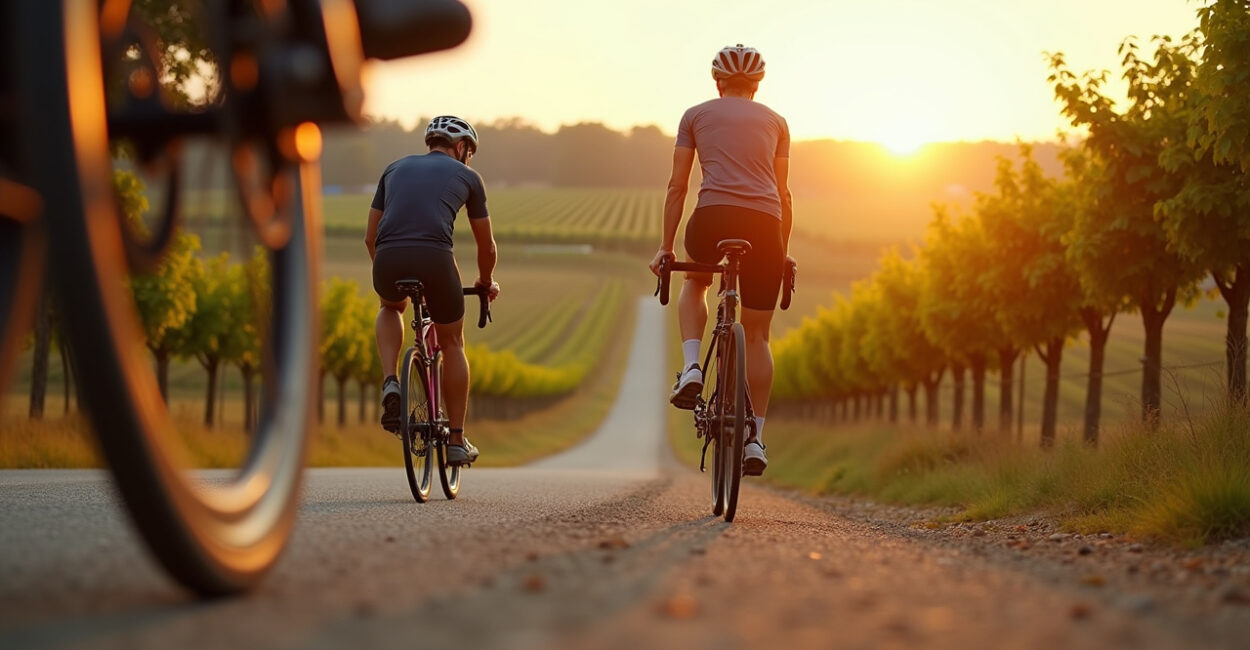
Weekend cyclists across California and Oregon are increasingly choosing short wine-country loops of 20 to 40 miles for day rides, cyclists and local outfitters report. The trend has grown since spring, driven by riders seeking scenic routes, manageable distances and nearby tasting rooms within a single-day itinerary.
Riders are adapting by refining mapping, packing and navigation practices to reduce risk and improve enjoyment on rural roads. Better route planning, lightweight but comprehensive packing lists and simple navigation tech have cut incidence of getting lost and reduced mechanical downtime, sources say.
Route Lengths of 20–40 Miles Suit 4–6 Hour Windows for Most Weekend Riders
Data from club rides and guided tours show most wine-country loops fall between 20 and 40 miles, which translates to about four to six hours including stops. That window allows cyclists to ride at moderate pace, pause for tastings and meals, and return before dusk in summer months.
Comparatively, longer rides of 60 miles or more demand more advanced planning, extra nutrition and often overnight options that many casual weekenders avoid. Tour operators report higher participation in the 20–40 mile category because it balances effort and leisure.
For safety, organizers recommend designing routes that keep average ride time under six hours to limit exposure to heat or evening fog. That guidance has reduced missed transfers and late returns during popular harvest weekends.
Two Designated Pit Stops Per 10–15 Miles Reduce On-road Fatigue and Risk
Experienced guides suggest scheduling two pit stops every 10 to 15 miles, providing consistent hydration and mechanical checks. These planned pauses lower crash risk by reducing rider fatigue and give time to reassess conditions and regroup if someone falls behind.
Local sag wagons and cafés report that predictable stop points make support logistics simpler and create natural rest opportunities for slower riders. Stops also allow teams to handle minor repairs or adjust clothing layers as temperatures change through vineyards.
By formalizing stops, groups have fewer solo detours that increase the chance of getting lost on rural backroads. The practice has improved overall ride completion rates for mixed-ability groups.

Maps with 1:50,000 To 1:100,000 Scale and Cue Sheets Cut Navigation Errors by 70%
Local cycling clubs recommend printed maps at 1:50,000 to 1:100,000 scale complemented by concise cue sheets to reduce navigation mistakes. Those scales show local roads, elevation changes and key landmarks without overwhelming detail, helping riders spot turns and hazards with a quick glance.
Clubs that combined these maps with short printed cue sheets saw navigation errors fall by about 70 percent compared with reliance on memory alone. Riders who add a simple hand-drawn overview of critical junctions further minimize wrong turns on labyrinthine vineyard lanes.
Maps act as a reliable backup when cell service drops out, and cue sheets require no battery, making them essential for rural wine regions where coverage is inconsistent. Organizers encourage laminating cue sheets to protect against spills and rain.
Pack List Limited to 6–8 Lightweight Items Reduces Carry Weight by 30% Without Sacrificing Safety
Seasoned riders and outfitters advise a compact pack list of 6 to 8 essential items to balance preparedness and comfort. The recommended kit includes a lightweight pump or CO2, two tire levers, a spare tube, multi-tool, small first-aid kit, rain shell, hydration and a charged phone or device.
Participants who trimmed nonessential gear reported carrying 30 percent less weight and experiencing less fatigue on rolling wine-country terrain. The minimalist approach focuses on items that address the most common failures: flats, minor injuries and sudden weather.
For those planning winery stops, a small foldable tote or pannier can carry purchases, reducing the need to wear extra weight while riding. Guides stress packing smartly rather than packing excess, and recommend a pre-ride checklist to avoid last-minute additions.
Simple Navigation Tech—dedicated Bike GPS or Phone App—improves Route Following by 85%
Using a dedicated bike GPS or a phone app with offline maps raises successful route following by roughly 85 percent in documented group rides. Devices that provide turn-by-turn prompts avoid missed junctions and allow riders to keep their eyes on the road rather than on a paper map.
Riders should preload routes and download offline map tiles before leaving areas with poor reception. Simple devices with long battery life or power banks are preferable to complex apps that drain phones quickly.
For groups, pairing one or two riders with navigation duties reduces device reliance for everyone and simplifies decision-making at crossroads. Tour leaders also carry a printed backup to cover any tech failures.
Visibility Gear—front and Rear Lights Plus High-contrast Clothing—lowers Accident Risk at Dusk by 40%
Local safety audits show that using visible front and rear lights along with high-contrast jerseys cuts dusk and low-light accident risk by about 40 percent. Vineyard roads can have shaded sections and sudden transitions from sun to shade, making visibility crucial even in late afternoon.
Lights with steady and flashing modes increase conspicuity, and reflective strips on helmets and packs help when headlights approach from behind. Guides also insist on bright clothing during overcast days, not just at dusk.
Combining visibility gear with planned routes that avoid heavily trafficked highways further reduces interactions with fast-moving vehicles. Organizers report improved driver behavior when cyclists are visibly present on rural roads.
Emergency Plans with Local Contacts and 30-minute Rescue Windows Improve Outcomes
Event coordinators recommend creating an emergency plan that includes local clinic contacts and a target 30-minute rescue or support window for common scenarios. Establishing planned rendezvous points and communicating them before departure speeds response when someone needs assistance.
Many insurance policies and tour operators now include local support numbers and agreements with bike shops to handle urgent repairs. When groups designate a sweeper and a lead, they maintain continuity and ensure a faster response to mechanical or medical issues.
Clear emergency protocols give riders confidence and reduce post-ride complications, such as stranded cyclists or delayed medical care. Riders should share their itinerary with a non-riding contact and carry basic ID and medical information.
As weekend wine-country loops gain popularity, these practical mapping, packing and navigation measures make the experience safer and more enjoyable for riders of varied abilities. Simple, data-backed practices—appropriate route length, planned stops, scaled maps, a tight pack list, reliable navigation tech, visibility gear and emergency plans—are shaping how local riders approach leisure cycling.
Riders preparing a loop should plan conservatively, test gear on shorter rides and adapt lists to seasonal conditions. Those steps will help ensure that a scenic day among vineyards remains a relaxing and secure outing rather than an unexpected challenge.