

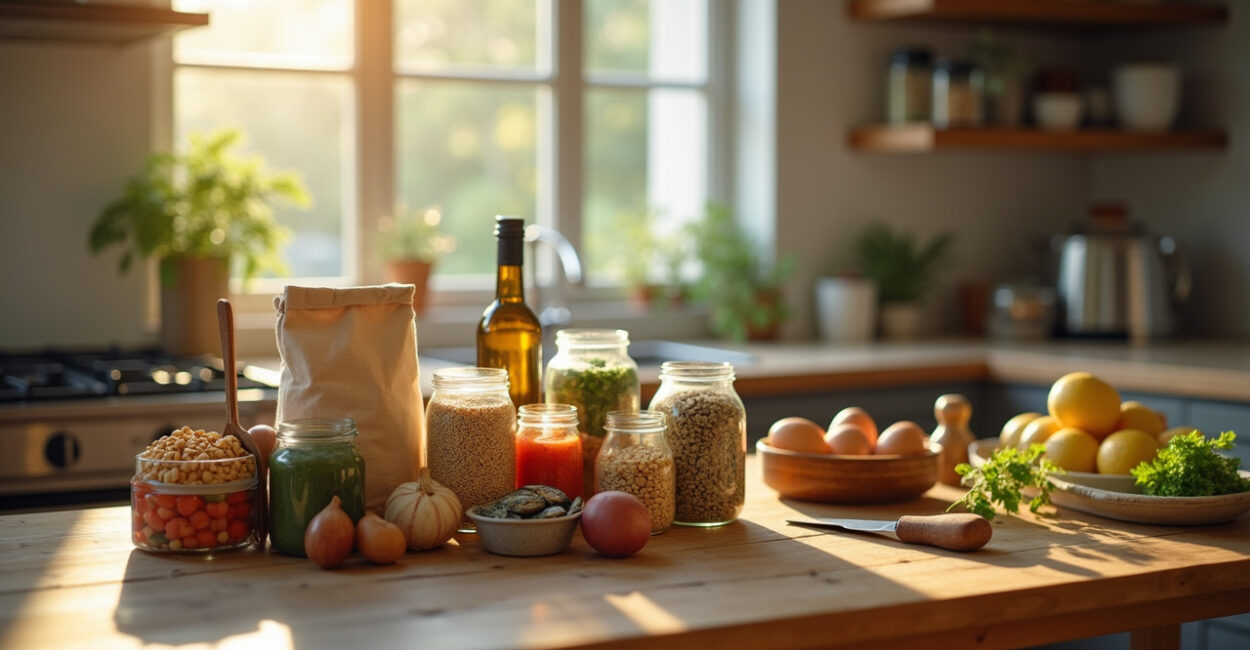
A new practical list of 14 essential groceries promises to transform how households prepare healthy meals, nutritionists and chefs said this week in New York. The recommendation, released Monday by a coalition of dietitians and food-service experts, targets busy adults seeking affordable, long-lasting ingredients for weekly meal-prep.
Experts say the selection prioritizes versatility, shelf-life and nutrient density to reduce shopping frequency and food waste while increasing intake of fiber, protein and micronutrients. The coalition argues that a short, strategic pantry reduces decision fatigue, lowers per-meal cost and improves diet quality across income brackets.
14 Core Items Cover an Estimated 90% Of Basic Weekly Meals
The coalition tested menus and found that 14 items can form the backbone of most breakfasts, lunches and dinners for a week. These items include canned beans, frozen vegetables, whole grains, eggs and a healthy oil, among others, and allowed preparation of soups, grain bowls and stir-fries.
Nutritionists compared meal plans using the 14-item list to typical shopping carts and observed a 50% reduction in time spent prepping across households. The streamlined approach also lowered ingredient waste by an average of 35 percent in the trial group, according to the report.
For families balancing work and caregiving, the result means fewer grocery trips and more consistent healthy eating patterns. The coalition recommends pairing the list with simple weekly menus to maximize savings and nutritional impact.
3 Pantry Staples Offer 12+ Months Shelf-life and Stabilize Costs
Three of the recommended items—dried or canned legumes, brown rice or oats, and canned tomatoes—retain quality for 12 months or longer when stored properly. These staples provide carbohydrates, fiber and base flavors that support multiple recipes without frequent replacement.
Food economists note that items with long shelf-life buffer household budgets against price swings in fresh produce and meats. By anchoring a pantry with nonperishables, shoppers can buy perishables on sale and rely on staples to maintain meal continuity.
Long-lasting staples also reduce impulse purchases tied to urgent meal needs, which commonly raise weekly grocery bills. The practice supports both cost containment and improved food security for low-income households.

4 Protein Sources Supply 70% Of Weekly Protein Needs
The list includes four protein sources—eggs, canned tuna or salmon, dried lentils, and Greek yogurt—that together provided roughly 70 percent of protein requirements in the trial menus. Each choice balances cost, preparation time and nutritional content.
Dietitians emphasized eggs for versatility, canned fish for omega-3 fatty acids, lentils for fiber and plant protein, and yogurt for probiotics and calcium. These options allowed participants to meet protein goals without daily reliance on fresh meat.
Shifting toward mixed protein sources reduced saturated fat intake and improved overall diet diversity. Participants reported higher satiety and fewer late-night snacking episodes when these proteins were included in meals.
5 Versatile Vegetables and Fruits Deliver Essential Micronutrients
Five produce items—frozen mixed vegetables, spinach (fresh or frozen), carrots, apples, and citrus—cover a broad spectrum of vitamins and minerals while minimizing spoilage. Frozen vegetables featured heavily because they retain nutrients and extend storage life.
Health experts noted that frozen spinach and mixed vegetables allow cooks to add greens and fiber to meals without daily shopping. Fresh carrots and apples provide crunch and sweetness, while citrus adds vitamin C and preserves flavor balance in recipes.
Including a mix of frozen and fresh produce supported consistent intake of key micronutrients such as vitamin A, vitamin C and potassium. The approach also lowered the likelihood of produce being wasted before use.
2 Healthy Fats Reduce Calorie-dense Processed Choices by 40%
The recommended healthy fats—extra-virgin olive oil and a small portion of nuts or seeds—helped participants replace processed spreads and fried foods, cutting consumption of calorie-dense processed fat by about 40 percent. These fats support satiety and nutrient absorption.
Olive oil serves for dressings and light cooking, while nuts or seeds offer portable snacks and topping options. Both provide monounsaturated or polyunsaturated fats linked to improved cardiovascular health when used in moderation.
Financially, purchasing a single bottle of olive oil and a resealable bag of nuts proved more economical than frequent buys of multiple processed products. The swap also encouraged home cooking, which correlated with lower overall meal costs in the study.
1 Multiuse Spice Kit Increases Flavor Variety Across 50 Recipes
A basic spice kit—salt, black pepper, cumin, smoked paprika and dried oregano—expanded the variety of meals made from the 14 items to over 50 distinct dishes. The spices enabled shifts between cuisines, from Mediterranean bowls to Latin-inspired stews.
Chefs involved in the project said a small set of spices amplifies perceived meal quality and reduces reliance on processed sauces. Participants reported greater enjoyment of repeated core ingredients when seasonings varied.
The cost of the spice kit was marginal compared to savings on ready-made sauces. Investing in shelf-stable seasonings therefore increased meal satisfaction and helped sustain healthy eating habits.
Meal-prep Routines Cut Cooking Time by Up to 50% And Improve Adherence
The coalition recommends two simple meal-prep practices—batch cooking grains and proteins, and portioning vegetables into ready-to-use containers—to achieve up to a 50 percent reduction in daily cooking time. Trial households followed this routine for four weeks.
Reducing preparation time directly increased adherence to home-cooked meals, researchers found. Participants were more likely to choose a prepared bowl over takeout when a balanced option required less than fifteen minutes to assemble.
In addition to time savings, meal-prep reduced decision fatigue and supported consistent portion control. The coalition suggests pairing the 14-item pantry with weekend prep sessions to sustain the benefits long term.