

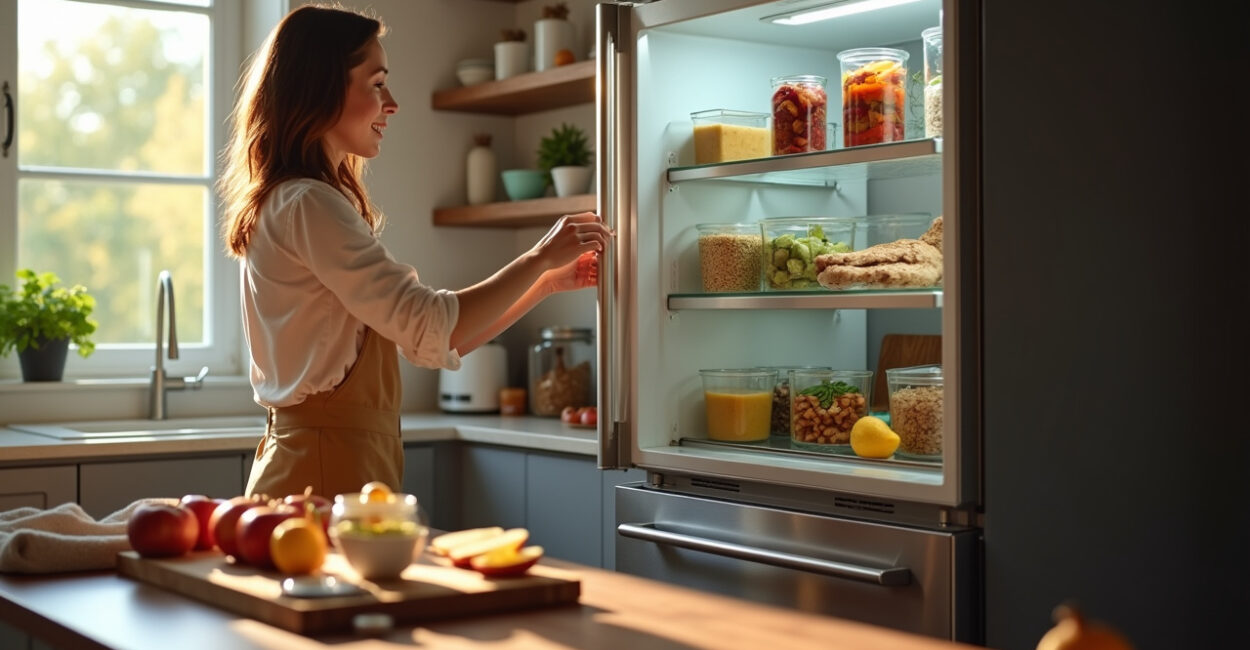
Imagine opening your fridge on Monday and finding dinners that are ready, crave-proof, and contain far less added sugar than last week. That small win buys you two hours this week — time you actually use, not waste. This is the promise of smart meal prep: cook once, eat well, and cut the sneaky sugars that derail energy and cravings.
The Surprising Math: How Meal Prep Saves Two Hours a Week
Meal prep can reclaim an average of two hours a week if you batch-cook and streamline lunches. Think of it like this: five weekday lunch decisions × 10 minutes each = almost an hour. Add evening decisions and grocery trips, and time disappears. When you prepare 3–4 base meals on Sunday, those minutes turn into usable hours for sleep, work, or a walk.
- Batch-cook grains and proteins once for the week.
- Assemble salads and bowls in under five minutes.
- Use leftovers creatively for next-day lunches.
Meal Prep Swaps That Cut Added Sugar Without Feeling Like Punishment
Simple swaps beat willpower every time. Replace flavored yogurt with plain yogurt plus berries and a sprinkle of cinnamon. Swap store sauces for a lemon-olive oil vinaigrette. Use mashed avocado or Greek yogurt instead of sugary dressings. These small changes remove hidden sugars while keeping texture and satisfaction. Meal prep makes swaps habitual: when you portion a sugar-free sauce into jars, you reach for it instead of the sugary bottle.

Batch-cooking Rules: What to Cook So Meals Stay Crave-proof
Cook for variety and resilience. The mistake is making seven identical meals. Instead, batch three protein options (roasted chicken, lentils, tofu), two bases (brown rice, roasted sweet potatoes), and three sides (steamed greens, roasted veg, pickled carrots). Rotate them into bowls, wraps, or salads so your week feels fresh. Meal prep that plans for texture and contrast keeps cravings down and interest up.
- Proteins: roast one, pan-sear one, slow-cook one.
- Bases: one grain, one starch.
- Sides: one crunchy, one soft, one tangy.
Shopping List That Cuts Time—and Hidden Sugar—at the Store
A targeted list saves time and prevents impulse buys. Shop by recipe clusters, not aisles. Bring a list split into Produce, Proteins, Pantry, and Condiments so you don’t wander into sugary temptations. Buying whole fruit, plain dairy, and bulk grains removes the need to inspect labels for sugar. Meal prep becomes easier when your cart is already half the work done.
- Produce: leafy greens, apples, berries, carrots, bell peppers
- Proteins: chicken breasts, canned lentils, firm tofu, eggs
- Pantry: brown rice, quinoa, canned tomatoes, low-sodium broth
- Condiments: plain yogurt, olive oil, Dijon mustard, apple cider vinegar
Three Batch-cooking Templates You Can Use Right Now
Templates remove decision fatigue. Use these repeatable structures during meal prep to save time and limit added sugar.
- Template A: Roast chicken + sweet potato cubes + green beans. (Sunday roast = 4 dinners)
- Template B: Lentil stew + brown rice + quick pickled cabbage. (Hearty, low-sugar, reheats well)
- Template C: Tofu stir-fry + quinoa + raw salad with lemon dressing. (Fast, crisp, satisfying)
Following a template turns meal prep into a quick routine instead of a weekend project. Meal prep templates also make shopping lists predictable and prevent accidental sugary purchases.
Common Meal Prep Mistakes (and How to Avoid Them)
Knowing what not to do saves time and keeps sugar low. The top errors: overcomplicating recipes, prepping only one flavor profile, and buying pre-made sauces full of sugar. Avoid these by limiting recipes to 4–6 ingredients, mixing cooking methods, and making simple dressings. Below are the key pitfalls to skip.
- Error: Prepping seven identical meals → Reality: you’ll hate them by Wednesday. Fix: prep modular components.
- Error: Buying “healthy” labeled foods without checking sugar. Fix: read the ingredient list—sugar appears under many names.
- Error: Storing food improperly. Fix: cool before refrigerating, use airtight containers, and label dates.
The Tiny Habit That Makes Meal Prep Stick (and Reduces Sugar Cravings)
One 10-minute habit can anchor your whole week. After dinner, spend 10 minutes chopping tomorrow’s snacks and portioning them into small containers: carrot sticks, nuts, cucumber slices, plain yogurt with cinnamon. That visible prep removes the late-afternoon sugar grab because the healthy option is ready. Pair this with a weekly core cook session—30–60 minutes on a chosen day—and meal prep becomes effortless.
“I used to reach for soda every afternoon. After two weeks of ready-to-grab snacks, cravings faded.”
Sources that back up why planning works: studies on habit formation and food environment show that reducing friction around healthy choices improves outcomes. For more on the health effects of added sugar, see CDC guidance on added sugars and research on meal planning benefits from academic nutrition departments like this overview at Harvard T.H. Chan School of Public Health.
Two hours a week is a low bar for a big payoff: better sleep, fewer cravings, and consistent, lower-sugar meals. That’s not perfection; that’s leverage. Start with one template and one swap. If it sticks, expand. If it doesn’t, tweak until it does.
How Often Should I Do Meal Prep to Save Two Hours Weekly?
Aim for one focused session per week plus a short midweek refresh. A 45–60 minute Sunday or Monday session where you cook proteins, a grain, and chop vegetables will cover most lunches and dinners. Then spend 10–15 minutes midweek to refresh salads, reheat portions, or re-season leftovers. This schedule usually buys you about two hours because it removes daily cooking decisions and reduces grocery trips that eat time and increase impulse sugar purchases.
What Are the Quickest Swaps to Reduce Added Sugar in Prepared Meals?
Replace bottled sauces and dressings with simple mixes: lemon + olive oil, plain yogurt + herbs, or mashed avocado with lime. Swap flavored yogurts for plain yogurt with fresh fruit and cinnamon. Use whole fruit or frozen berries instead of fruit juices and sweetened compotes. These swaps take seconds to implement during meal prep and keep meals satisfying. Over a week, small swaps dramatically cut added sugar without making food taste “boring.”
How Long Will Batch-cooked Meals Stay Safe and Tasty?
Most cooked grains, proteins, and vegetables last 3–4 days refrigerated when cooled properly and stored in airtight containers. For a full week, freeze portions and thaw them in the fridge a day before eating. Keeping flavors bright—add dressings, fresh herbs, or pickles just before serving—preserves texture and interest. If you ever smell sour or see mold, discard. When in doubt, freezing extra on cook day is the safest approach.
Can Meal Prep Help with Weight Loss or Blood Sugar Control?
Meal prep supports weight and blood sugar goals by reducing impulsive choices and sugary foods. When meals are planned and portioned, it’s easier to control calories and carbohydrate quality. Including protein, fiber-rich veggies, and healthy fats in each meal slows glucose spikes and keeps you full. Pair meal prep with guidance from a registered dietitian for personalized targets, especially if you have diabetes or other health conditions that require tighter control.
What Containers and Tools Are Worth Investing in for Efficient Meal Prep?
Spend on airtight, stackable containers in a few sizes, a good chef’s knife, and a sheet pan. Glass containers handle heat and don’t absorb smells. A rice cooker or instant pot shortens cook time and batch-cooks grains and beans with little fuss. A small jar for dressings and a fine-mesh sieve for quick rinsing help too. These tools reduce prep time and keep meals tasting fresh, which makes your meal prep habit much more likely to stick.