

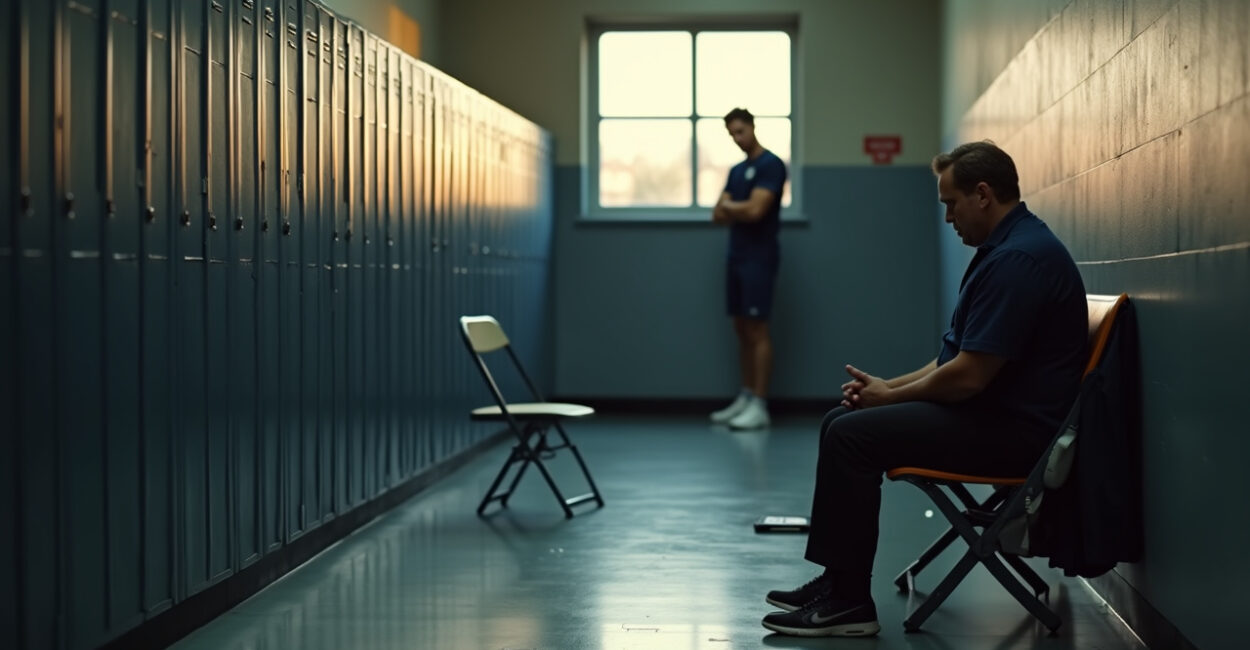
He left the field before halftime, then a quiet statement from the program: the coach is on leave for health reasons. That short sentence changed the mood in the locker room and lit up conversations about mental health across college football. Fans want facts. Players want stability. The press wants clarity. And the team needs a plan that goes beyond a press release.
What We Know Right Now About Sherrone Moore’s Condition
Michigan Athletics confirmed that Sherrone Moore is on a medical leave and will be unavailable for team activities for the near term. This is a confirmed, official absence — not a rumor. Multiple outlets, including ESPN and the Associated Press, have reported the university’s statement. Sources say the university is respecting privacy and not detailing the diagnosis, which is common when mental health is involved. The team has said interim staff will handle game-day duties while the leave continues.
Which Sources Are Actually Verifying These Reports
Not all reports are equal. The strongest confirmations come from primary sources: the university’s athletic department statement and direct quotes from team leadership. Local and national outlets are mostly relaying those official messages. Independent reporters with access to team spokespeople have corroborated timing and the decision to appoint interim coaches. Social posts and anonymous tips exist, but they lack verification. For reliable context on coach care and athlete welfare, experts often point to university statements and established outlets like ESPN and AP rather than fan threads.

What Remains Unknown — And Why That Matters
Key details are missing: the exact medical diagnosis, expected length of absence, and the specific treatment plan. That gap matters because it shapes expectations for the season and the coach’s return. Privacy laws and stigma around mental health often keep those facts private — but the absence of detail fuels speculation. Players and staff face uncertainty. Recruitment conversations shift. Fans guess. The unknowns force the program to balance transparency with confidentiality, which is never an easy line to walk.
How This Affects the Team This Season
Short term, play-calling and sideline leadership shift to trusted assistants. Longer-term, it can change team culture and decision-making. Performance isn’t just X’s and O’s — it’s about who steadies the room when the coach is gone. That’s mental health at work in a team setting: emotional labor, continuity, and trust. Expect increased reliance on coordinators, more delegation, and possible tweaks to game strategy to reduce pressure on young players handling leadership gaps.
The Bigger Conversation: Coach Care and Mental Health in Sports
This episode exposes a larger truth: coaches are human and under relentless stress. The comparison is stark — players routinely get injured and enter rehab plans; coaches rarely have the same visible support for mental health. That expectation-reality gap harms careers and programs. We need clearer policies, mental health resources for staff, and destigmatizing language so taking leave is treated like necessary medical care, not a career-ending confession.
Common Mistakes Programs Make — And What to Avoid
Programs often stumble in predictable ways. Avoid these errors:
- Minimizing the issue publicly and creating mistrust.
- Over-sharing private medical details that violate privacy.
- Failing to name interim leaders clearly, which breeds uncertainty.
- Not offering support resources to staff and players dealing with stress.
One concrete step teams can take now: communicate roles, provide counseling access, and set a timeline for updates. That reduces rumor and keeps focus on the game and players’ welfare.
A Quick, Human Moment That Explains Why This Matters
He walked into the meeting room, voice low, and said he needed time. The quarterbacks looked at each other — not because the playbook changed, but because their leader did. That pause reoriented the whole team. In three minutes, priorities shifted from perfecting a formation to checking on a person. That is mental health in action: it alters decisions on the field and in life. Programs that recognize that will rebound faster and hold their teams together.
There’s progress here. Verified reports confirm an official medical leave and interim leadership. But the biggest change will come if universities turn this into policy — more care for coaches, clearer communication, and less stigma.
Want authoritative context on coach medical leave and athlete care? Read university policies and reporting from national outlets for confirmed facts, and track official team statements for updates.
Has the University Officially Confirmed Sherrone Moore’s Leave?
Yes. The athletic department released a statement confirming Sherrone Moore is on a medical leave and will be unavailable for team activities for the near term. That statement is the primary source most outlets cite. Beyond that, schools often provide periodic updates while honoring medical privacy. For the most accurate info, rely on the university’s official communications and reputable national outlets that reference that statement directly.
Do We Know Why He is on Leave?
No. The university has not disclosed a specific medical diagnosis, which is common with health-related leaves. Privacy concerns and patient confidentiality often limit details. When mental health is involved, institutions typically share minimal information to respect the individual. That lack of detail can prompt speculation, but it does not change the fact of the leave or the need to treat the coach and staff with discretion and support.
Who is Running the Team While He is Away?
The program named interim staff to handle game-day duties and daily operations until the coach returns. Most teams choose trusted assistants or coordinators to step in to maintain continuity. That approach preserves strategic consistency and gives players familiar leadership. Expect small tactical adjustments but not wholesale changes, unless the interim staff decides different priorities are necessary for stability or player safety.
What Should Fans and Media Avoid Saying or Doing?
Avoid speculation about diagnoses, sharing unverified medical claims, or pressuring the team for private health details. Speculation harms people and distracts from the team’s needs. Fans and reporters should rely on official statements and respect privacy. Constructive coverage focuses on confirmed facts, resources available to staff and players, and how the program supports its people during a medical leave.
Could This Change How Colleges Handle Coach Mental Health?
Potentially, yes. High-profile leaves highlight gaps in care and policy. If programs respond by expanding mental health resources for coaches, formalizing leave policies, and normalizing treatment, this moment could lead to systemic change. The key is converting concern into action: clearer protocols, better access to care, and removing stigma so coaches can seek help without fearing career consequences.