

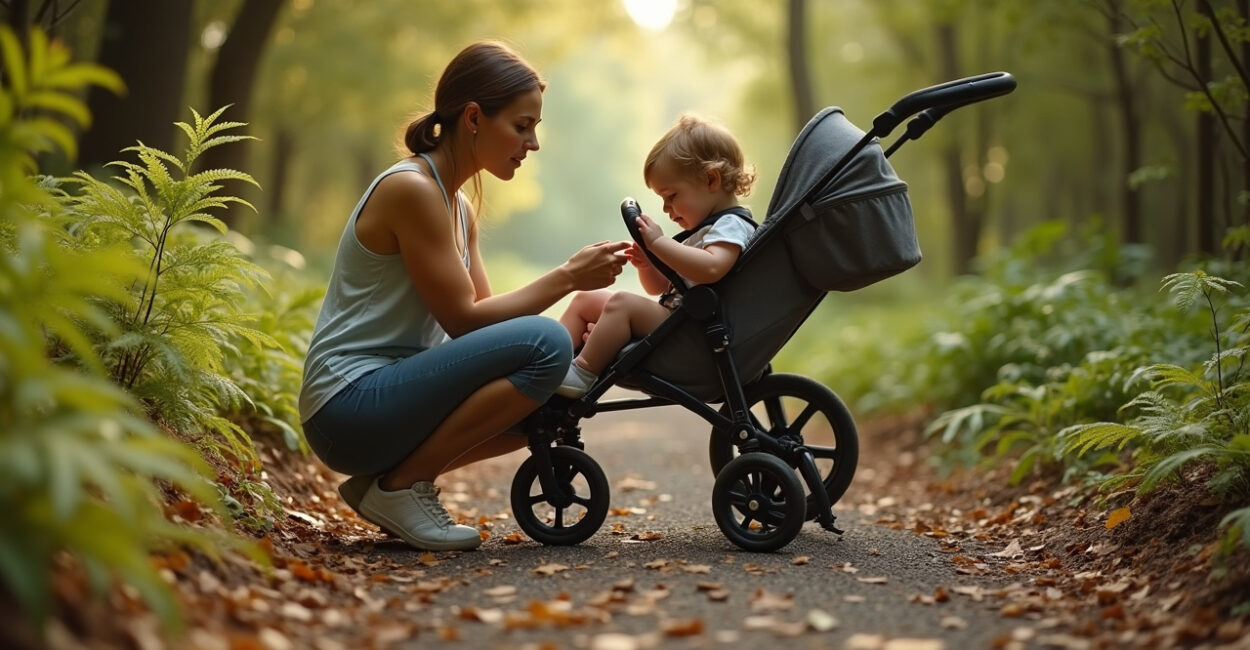
You’re halfway up a leafy trail, the path narrows, and your stroller suddenly tilts—then you remember you never tested the brakes. That quick, stomach-drop moment is why a solid stroller safety checklist matters. This stroller safety checklist will give you 10 clear, practical checks to do before any nature route so you can breathe, enjoy the hike, and get home with everyone smiling.
1. The One-second Brake Test That Saves Trips
If your brakes don’t lock instantly, don’t go. Push the stroller, set the brake, and give it a firm shove. If it rolls, the mechanism needs cleaning, adjustment, or repair. Dirt, small stones, and bent rods are common culprits.
- Engage and release brakes several times.
- Inspect for grit or rust on the mechanism.
- Lubricate moving parts only if the manual permits.
2. How to Know the Harness Actually Fits Right
Most straps look fine—until a child wiggles. The rule: straps should sit snug on shoulders and across the chest, with only one finger’s gap at the collarbone. Adjust the crotch buckle so it anchors the child without pinching.
- Test with the child sitting and standing up a bit—simulate squirming.
- Replace frayed straps; don’t improvise with clips or duct tape.
3. Wheels and Suspension: Choose the Right Setup for the Trail
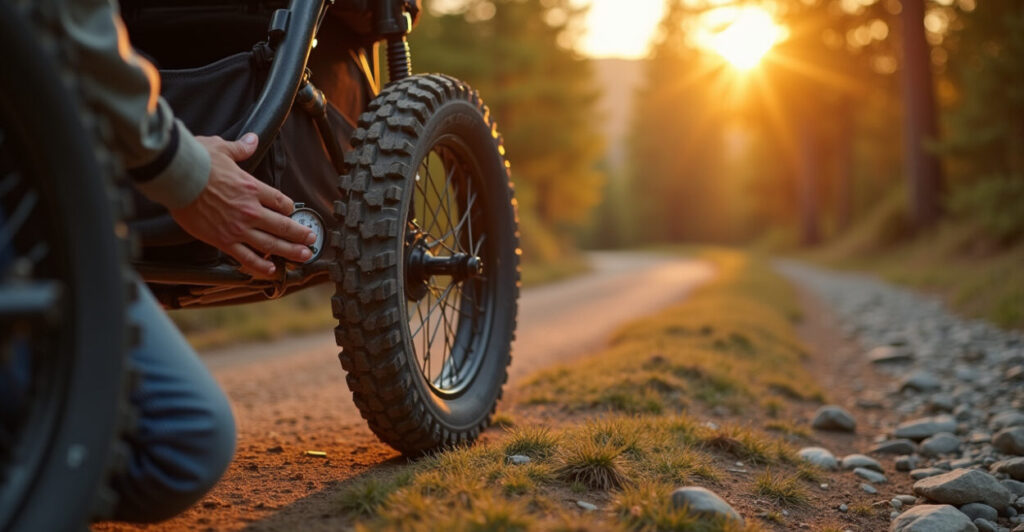
Big tires and good suspension make a huge difference. Think of it like shoes: flats for the sidewalk, hiking boots for mud. Swap to all-terrain wheels or a jogging stroller if the route is rough.
- Check tire pressure or air-fill levels.
- Ensure front wheel locks work (if applicable).
4. Weather Kit: What You Really Need (not Just a Rain Cover)
Weather changes fast on trails. Bring more than a rain shield. A compact poncho, a thermal blanket, and sunshade are tiny, light lifesavers. Stash a change of clothes in a dry bag for both baby and caregiver.
- Pack sunscreen and insect repellent suitable for your child’s age.
- Check local forecast and trail microclimates—mountain mornings are colder.
5. Emergency Kit: 5 Items That Beat Panic
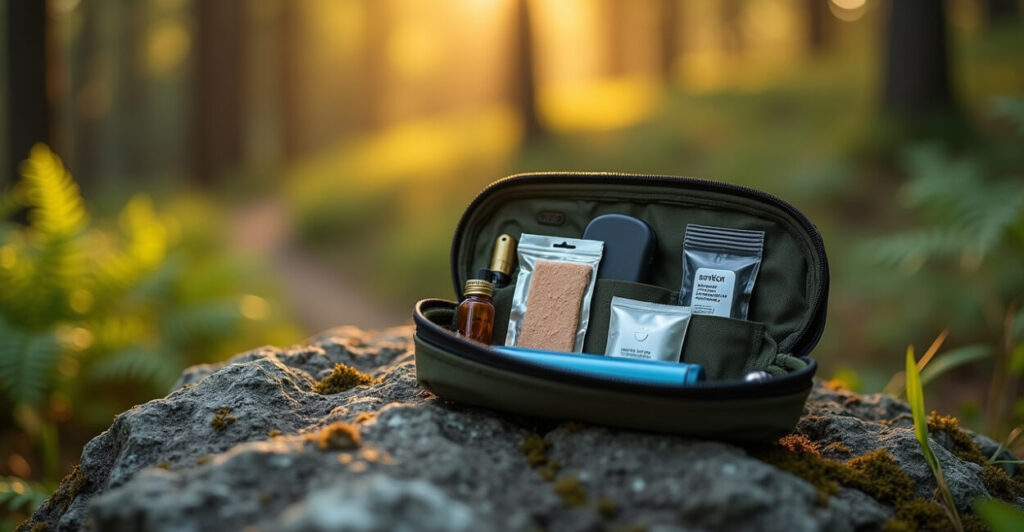
Most parents overpack snacks and underpack safety. Your trail emergency kit should be small and intentional. Include an ace bandage, antiseptic wipes, a whistle, a small flashlight, and a phone battery pack.
- A compact first-aid kit beats improvising with leaves.
- Keep medications (antihistamine, inhaler) in a labeled pouch.
6. Terrain Check in 60 Seconds: Your Safety Scan
Before you roll, spend one minute scanning the route ahead. Look for roots, sudden drop-offs, or marshy ground. Pick a path that matches your stroller’s strengths. If you see deep ruts or loose gravel, choose an alternate route or carry the stroller briefly.
- Note where you can safely turn around.
- Mark shady rest spots and water access for quick stops.
7. Common Mistakes Parents Make — And the Easy Fixes
People assume a stroller’s “all-terrain” label means indestructible. It’s not. Here are the top errors and how to avoid them:
- Overloading storage: Keeps center of gravity low. Put heavy gear in a backpack, not hung on the handle.
- Skipping maintenance: Clean moving parts monthly; tighten loose bolts.
- Ignoring harness checks: Re-adjust after layering clothes.
A quick comparison: expectation—clip on a heavy bag and keep going; reality—rear tipping on a slight slope. Small change, big difference.
Mini moment: On a muddy ridge, a mom paused to tighten a loose wheel quick-release. She thought it was fine. Ten minutes later, a creek crossing showed why—what could have been a spill turned into a funny story because she stopped once.
For more on child safety and gear standards, see recommendations from the U.S. Consumer Product Safety Commission and stroller guidance at American Academy of Pediatrics. These sources explain recalls, safe harness use, and testing standards in plain language.
Follow these 10 quick checks before hitting any nature route: brakes, harness fit, wheel/suspension, tire pressure, front-wheel lock, weather kit, sun and insect protection, small emergency kit, terrain scan, and avoiding overloading. Do them fast. Do them every time.
One last thought: trails teach us to slow down. A two-minute safety routine buys you hours of calm. That’s worth the pause.
How Tight Should My Stroller Harness Be?
The harness should be snug but comfortable. Tighten shoulder straps so you can slide only one finger between the strap and the child’s collarbone. The chest clip should rest at armpit level, not the stomach. If your child wears thick coats, tighten the harness after the coat is on or remove bulky layers and use a blanket over the harness. Regularly check strap wear; fraying weakens the system. Replace any damaged harness components per the manufacturer’s instructions.
Can I Use Any Stroller on Uneven Trails?
Not all strollers are built for rough ground. Look for larger wheels (10 inches or more), good suspension, and a lockable front wheel for stability. Jogging strollers or models labeled “all-terrain” perform better, but labels vary by brand. Consider the weight of the stroller and ease of maneuvering—heavier frames can be harder on steep or rooty paths. When in doubt, scout the trail on foot first. If it looks too rough, choose a different route or carry small obstacles rather than risk a tip.
What Should Be in a Stroller First-aid Kit for Trails?
Keep a compact kit: adhesive bandages, antiseptic wipes, a sterile gauze pad, an elastic bandage, and a small pair of scissors. Add any personal meds like an epinephrine auto-injector, antihistamine, or inhaler if needed. Include a whistle and a tiny flashlight or headlamp. Seal everything in a waterproof pouch and attach it to the stroller or put it in an easy-access compartment. Replace used or expired items after every outing to maintain readiness.
How Do I Prevent Stroller Tipping on Slopes?
Prevent tipping by keeping weight low and centered. Avoid hanging heavy bags on handles—use a backpack or attach weight low on the frame if necessary. Approach slopes slowly; engage the brake when pausing. If the stroller feels unstable, walk it backward down the slope or carry it. Make small, controlled adjustments rather than sudden turns. Check tire grip and suspension before steep descents. Proper tire inflation and front-wheel locking help maintain stability on uneven terrain.
When Should I Replace Stroller Parts or the Stroller Entirely?
Replace parts immediately if you spot cracked wheels, frayed harness straps, broken buckles, or faulty brakes. Small issues can escalate on trails. Follow manufacturer recalls and service advisories—don’t improvise fixes. Consider replacing the stroller if the frame is bent, suspension is permanently damaged, or multiple core systems fail repeatedly. If repair costs approach the price of a new, safer model, replace it. Safety is worth the investment; a reliable stroller reduces risk and stress on every outing.