

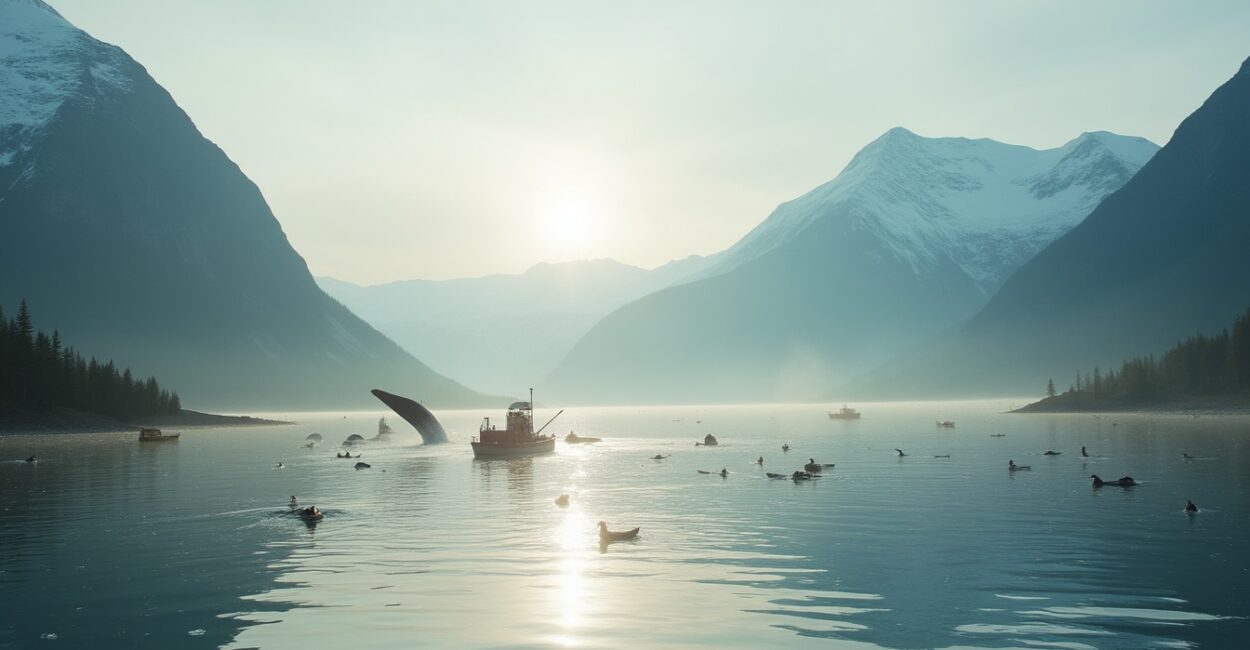
You’ve felt that tug, wanting to wake before dawn and catch a quiet miracle, right? You’re not alone, and that itch is exactly why so many people are glued to morning clips from Glacier Bay.
Hold on, because this piece delivers nine rarely seen wildlife scenes, naming the species and the exact coves where humpbacks, sea otters, and brown bears have been spotted recently. Read on, you’ll get seasonal patterns that explain why mornings here explode with sightings and viral footage.
Glacier Bay Mornings That Turn Into a Wildlife Theater
Think about the first light slipping over glassy water, now imagine humpbacks cavorting in view, right where kayaks often float. These are not staged moments, they’re predictable patterns if you know the coves and timing.
Humpback Hotspots in Glacier Bay
Near the entrance of Bartlett Cove and the long sweep by McBride Cove, humpbacks show repeatedly at dawn. Boat logs and recent social posts cluster here because prey like herring move in with the tide, and humpbacks follow.
How Tides and Salmon Runs Script the Morning Show
Ponder this, the ocean is a stage director. Tidal flow and salmon runs create feeding windows that animals anticipate. When salmon cram choke points, predators arrive in force.
- High tide brings baitfish into coves
- Incoming tide concentrates prey near shorelines
- Seasonal salmon runs peak late June to August
These mechanics explain why June through August mornings are saturated with activity, and why your phone starts buzzing with videos from Glacier Bay during those weeks.

Where to Find Sea Otters Doing Morning Gymnastics
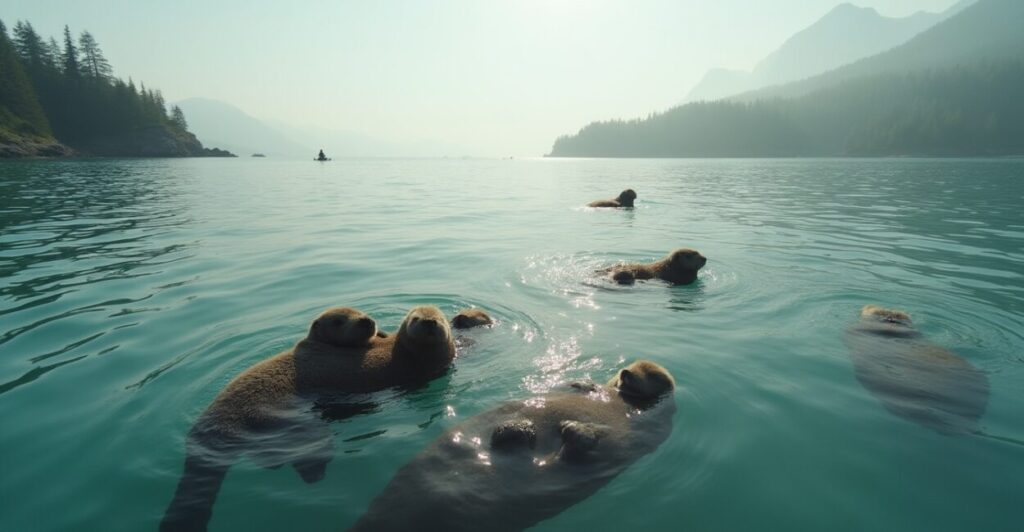
Sea otters prefer kelp beds that shelter them and their breakfast. You’ll often see them in Lituya Bay and near the kelp forests off Bartlett Cove early in the day.
- Floating in rafts, grooming and cracking shells
- Mothers with pups near shallow, protected waters
- Resting in kelp lines that anchor them against currents
Watching these behaviors helps you differentiate a casual photo from a rare, story-worthy clip, and explains why some morning shots go viral—there’s intimacy and action together.
Exact Coves Where Brown Bears Have Been Filmed at Dawn
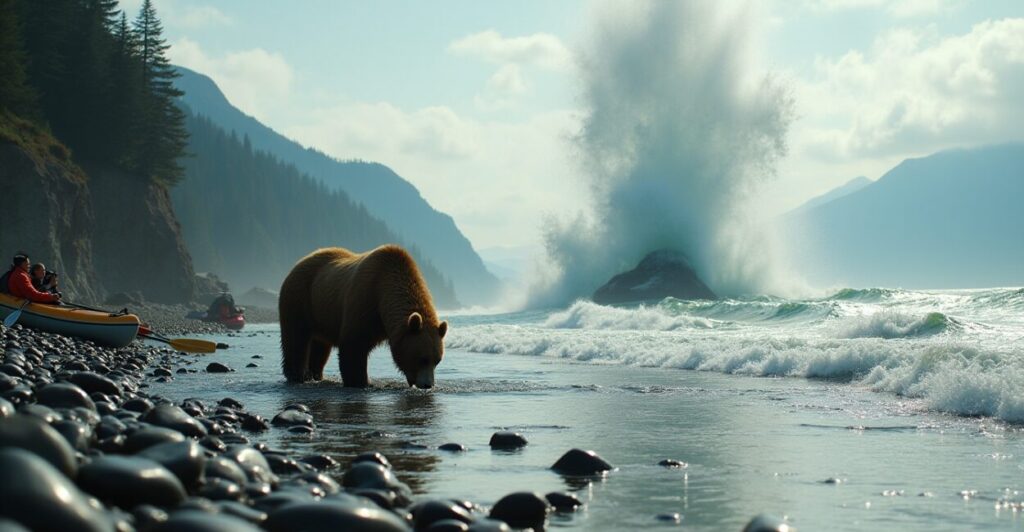
Brown bears are often on the shoreline when tides reveal scads of shellfish or stranded fish. The most consistent recent sightings have been in Tarr Inlet and the beach stretches near Lamplugh Glacier.
Why Tarr Inlet Lights Up on Camera
Tarr Inlet funnels glacial runoff and concentrates marine life, creating foraging edges. Early light makes bears visible from boats and overlooks, which is why so many TikToks and Instagram Reels come from this area.

Rare Interaction Scenes That Made Feeds Explode
Pense comigo, when humpbacks bubble-net near otter rafts, or bears fish beside paddlers, the emotional punch is enormous. Those collisions of species are the clips people can’t scroll past.
- Humpback breaches above feeding schools
- Otter pup antics close to human observers
- Bear-fish skirmishes at receding tide lines
These three motifs explain viral patterns, and why specific coves become repeat locations for content creators and park researchers alike.
Seasonal Timeline You Can Use to Plan a Morning Stakeout
Here’s the secret, plan around salmon runs and meltwater timing and you’ll catch concentrated action. Early summer brings whales and otters together, late summer and early fall favor bear shoreline foraging.
| Month | Top Sightings | Best Cov es |
|---|---|---|
| June | Humpbacks, sea otters | Bartlett Cove, McBride Cove |
| July | Humpbacks, brown bears | Tarr Inlet, Lamplugh Glacier |
| August | Brown bears, concentrated feeding | Shorelines near glaciers |
This quick reference helps you decide when to set your alarm and which coves to watch for smoke-like plumes or a paw print in the surf.
What to Avoid When Chasing Morning Footage
- Approaching wildlife closer than recommended
- Using noisy engines right at first light
- Wading into sensitive shoreline areas
These mistakes not only ruin the shot, they endanger animals and can get you fined. Responsible viewing preserves the chance for future sightings and keeps the story authentic rather than staged.
Pro Tips to Capture the Scene Without Being the Scene
Bring a long lens, keep noise to a whisper, and learn the local coves’ access rules. Social clips often reveal vantage points that are both legal and low-impact, study those and mimic the approach.
Gear and Angle Tips for Glacier Bay Mornings
A 100–400mm lens on a lightweight body plus a stable monopod gets you cinematic compression without a big footprint. Dawn light is forgiving, shoot in bursts and favor 4K for cropping. Small adjustments make your footage stand out.
If you want official guidance on wildlife viewing distances and permits consult the National Park Service, they publish rules and seasonal alerts for Glacier Bay, National Park Service.
For scientific timing on salmon runs and marine patterns, NOAA offers seasonal charts that help predict feeding windows, NOAA Fisheries.
Go ahead, pick a cove and an early morning, your next viral clip might be waiting in the half-light. But remember, the best footage is the one that respects the animals and the space they depend on.
Share what you learn, and you’ll help others see Glacier Bay mornings for what they are, a fragile, repeating spectacle that rewards patience and restraint.
FAQ
When is the Best Month to See Humpbacks in Glacier Bay?
The peak months for humpback sightings in Glacier Bay are typically June and July, when inbound tides and early salmon runs concentrate prey near shore. Dawn encounters are especially common because feeding fish move into sheltered coves, making whales easier to spot from boats and overlooks. Weather windows also matter, clear calm mornings increase visibility and the chance of viral footage.
Are There Legal Restrictions for Approaching Wildlife in Glacier Bay?
Yes, Glacier Bay National Park enforces strict distance rules to protect wildlife. Boats and visitors must stay back from whales, seals, otters, and bears, and specific buffer zones vary by species and activity. There are permit requirements for certain commercial operations. Always check the National Park Service site and park rangers for the current regulations before attempting to film or approach wildlife.
Which Coves Have Recent Confirmed Bear Sightings at Dawn?
Recent documentation shows brown bears frequenting shoreline feeding areas in Tarr Inlet and near Lamplugh Glacier at first light, especially during low tides or salmon pulses. These areas offer exposed foraging opportunities that bears exploit. Observers should remain at safe distances and follow park guidelines to avoid disturbing bears or creating dangerous encounters.
Why Are Sea Otter Sightings Common in Certain Kelp Beds?
Sea otters favor kelp beds because the kelp anchors them while they rest and provides shelter from currents. In Glacier Bay, kelp-rich sections like areas near Bartlett Cove support otter rafts with mothers and pups during calm mornings. These kelp lines also concentrate prey like sea urchins and shellfish, making them reliable for both feeding and observation.
How Can I Increase My Chances of Capturing Rare Interactions Without Disturbing Animals?
Plan around seasonal cues, arrive at first light, use long lenses, and move quietly. Study local reports and social media posts to learn specific coves and timing. Maintain legal viewing distances, avoid sudden movements, and never feed wildlife. Ethical patience yields better, shareable content and preserves future chances to observe the same scenes.