


You know that itch, the one that hits when you scroll endless photo feeds and think, I need that view in my life right now. You’re not alone, most travelers and photographers are chasing the same viral frames and wondering where the real magic hides.
I’m going to show you seven surprising scenic secrets across Alaska landscapes, places that are suddenly trending and why. Think hidden glacier viewpoints, private ridgelines near Denali, and coastal pockets where light turns everything cinematic.
You’ll get exact spots, quick shooting tips, what to avoid and why people are rushing there this season, so you can plan smarter and photograph bolder.
Alaska Landscapes Secret: Glacier Bay’s Hidden Outlooks
Glacier Bay National Park has famous spots, but there are lesser-known outlooks where tides and light collide for dramatic photos. Here’s a quick route you might not expect.
- Visit Bartlett Cove early for morning haze
- Hike to the unnamed moraine viewpoint above Reid Inlet
- Catch tide lines at the small beach near Johns Hopkins
These micro-choices change your shot. Think about timing and perspective, because a half-mile scramble often separates tourist postcards from original work. For official maps and permits, check National Park Service Glacier Bay.
Glacial Light Traps That Make Phones Look Pro
Want viral? Light that reflects off ice creates highlights phones love. But not every edge is worth your time, here’s the secret:
- Look for narrow serac walls at sunrise
- Shoot from low angles to catch reflections
- Use polarizer on DSLRs to control glare
Small gear tweaks produce big results. And yes, this works even if you’re using an iPhone, because composition beats megapixels in these spots.
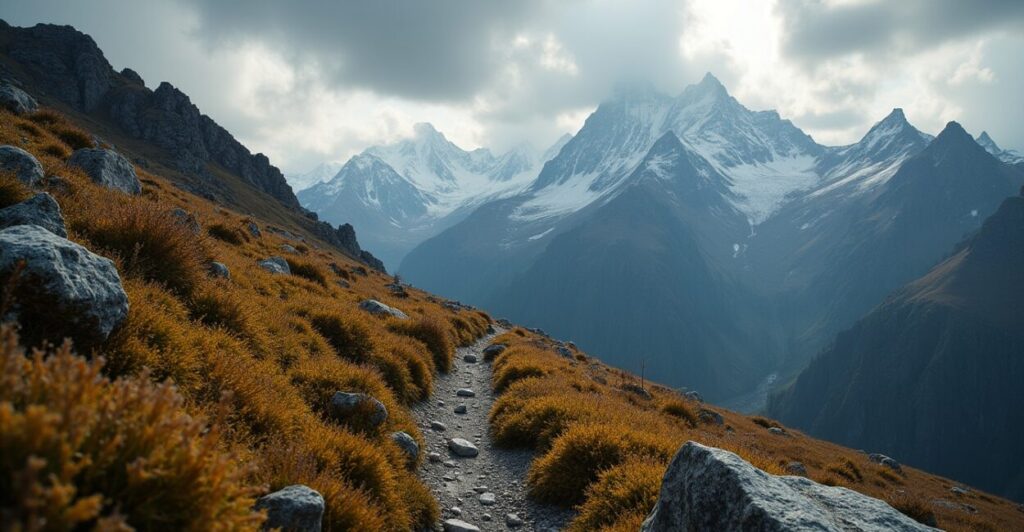
Secret Denali Ridgelines Photographers Keep Quiet About
Denali draws crowds, yet a few ridgelines offer solitude and a view that flattens your feed. Here’s what pros are whispering about.
Why These Ridgelines Pop in Alaska Landscapes
These ridgelines align with typical afternoon storms, which create dramatic contrasts between sunlit peaks and dark valleys. That contrast produces photos that look editorial. Plan for afternoon windows after a morning overcast, move quickly, and respect fragile alpine tundra. Safety first, the weather changes fast, and the best ridgelines require solid route-finding skills.
Coastal Coves Where Whales and Mountains Collide
There’s a tiny cove outside Seward where orcas surface framed by a mountain bowl. It’s perfect timing and patience, not luck.
- Best months: May to July
- Bring a 200mm+ lens for wildlife
- Hire local guides to avoid disturbing wildlife
Hire a certified guide to increase your chance of ethical encounters. For regulations and marine safety, consult NOAA Fisheries, they keep wildlife and photographers safe.

Hidden Tundra Meadows with Unexpected Color Palettes
Tundra isn’t just brown and green, there are pockets of magenta, gold and teal moss that Instagram loves. Here’s how to find them without trampling the ecosystem.
| Spot | Best Time | Why it pops |
|---|---|---|
| Hatcher Pass | Late July | Wildflowers plus late snow patches |
| Nome outskirts | August | Arctic hues and low-angle light |
Use boardwalks and stay on trails, small footprints protect these colorful carpets. The table shows when to plan if you want color without destruction.
Nightscapes That Turn Alaska Landscapes Neon
Auroras are obvious, but add foregrounds like abandoned cabins or ice cliffs and you get scroll-stopping frames. Here’s how to compose for impact.
Quick Aurora Composition Tips for Alaska Landscapes
Anchor the aurora with a strong foreground silhouette, expose long enough to get trails but short enough to keep texture, and test ISO for your gear. Scout spots during daylight to find shapes that read at night. A stable tripod and intervalometer will make time-lapses and stacked images much cleaner.
Small Towns with Big Backdrops: Where Locals Point You
Sometimes the best view is a diner parking lot with mountains behind it. Locals know these spots and they trend fast on social. Here’s how to ask without sounding like a tourist.
- Be friendly, mention photography
- Offer to trade a printed photo for directions
- Respect private property and local hours
Most residents love sharing a secret view if you approach politely. This list helps you connect and discover off-grid frames while being a good guest.
What to Avoid When Chasing Viral Shots
- Trampling fragile vegetation for a better angle
- Ignoring wildlife buffers to get “closer”
- Chasing every trending location without scouting
Avoidance is part of respect. Rushing into a spot because it’s trending damages the very scenes people rush to see. Slow down, scout, and leave places better than you found them, that’s the real trick to sustaining these secret views.
Ready to go beyond typical postcards? Choose one of these seven secrets, plan carefully, and you’ll likely return with images and memories that feel like discoveries. You’ll also leave room for the next traveler to be surprised.
If you tried one of these spots, share a single bold frame and tag it with thoughtful credit, that small action helps keep these places protected and appreciated.
FAQ — Frequently Asked Questions
How Do I Access the Hidden Glacier Bay Outlooks Safely?
Accessing hidden outlooks in Glacier Bay requires planning, proper permits, and tide awareness. Use official park maps and park ranger advice, pack layered clothing, and bring bear deterrents. Consider a guided kayak or small-boat tour for difficult shore approaches. Always check weather forecasts and tide charts the day before, and notify someone of your route. Safety and preservation go hand in hand when exploring these fragile coastal viewpoints.
When is the Best Time for Auroras and Usable Foregrounds in Alaska?
Peak aurora season runs from late August to April, but shoulder months offer milder weather and usable foregrounds. For dramatic foregrounds like ice cliffs and cabins pick late fall or early spring when snow lines provide contrast. Scout daytime for compositions, check aurora forecasts, and avoid full moon nights if you want vivid colors. A flexible schedule increases your odds of capturing both aurora and a striking foreground.
Are the Secret Denali Ridgelines Suitable for Casual Hikers?
Many of the quieter Denali ridgelines require route-finding and alpine skills, they are not suited for casual hikers without experience. If you’re inexperienced, hire an experienced guide or join a small-group outing. Weather changes rapidly, and terrain can be loose or icy. Proper boots, navigation tools, and layered clothing are essential. Respect park regulations and consider your fitness level before attempting steeper ridges.
What Permits or Rules Should Photographers Know for Coastal Wildlife Spots?
Coastal wildlife spots have strict guidelines to protect animals. Maintain legal viewing distances, never approach or feed wildlife, and use longer lenses to avoid disturbance. Some areas require permits for commercial photography or drone use, check local regulations ahead of time. For marine wildlife best practices and permits, consult NOAA and local refuge webpages. Ethical behavior ensures access for everyone and preserves habitat integrity.
How Can I Minimize Environmental Impact While Chasing Viral Photos?
Minimizing impact means staying on trails, packing out all waste, and avoiding trampling vegetation. Use established viewpoints when possible, respect seasonal closures, and follow Leave No Trace principles. Support local guides and conservation efforts by following their rules and paying fees when required. Small choices, like using a single durable path or not moving rocks and plants for a composition, help keep these fragile Alaska landscapes intact for future visitors.