

You’ve felt that itch — the picture-perfect mountain every feed celebrates, but also the nagging fear: will the real view match the hype? You want surprise, not another postcard. You want stories locals keep to themselves.
Here’s the promise: I’ll show you seven hidden angles that make Mount Fuji feel brand new — lakeside mirrors, secret passes, coastal silhouettes, train frames, temple portals, aerial gems, and winter access hacks. Read fast: these are timing tips, transport shortcuts, and the small local truths that actually change the shot you get.
Mount Fuji Reflected: The Lakeside That Feels Unreal
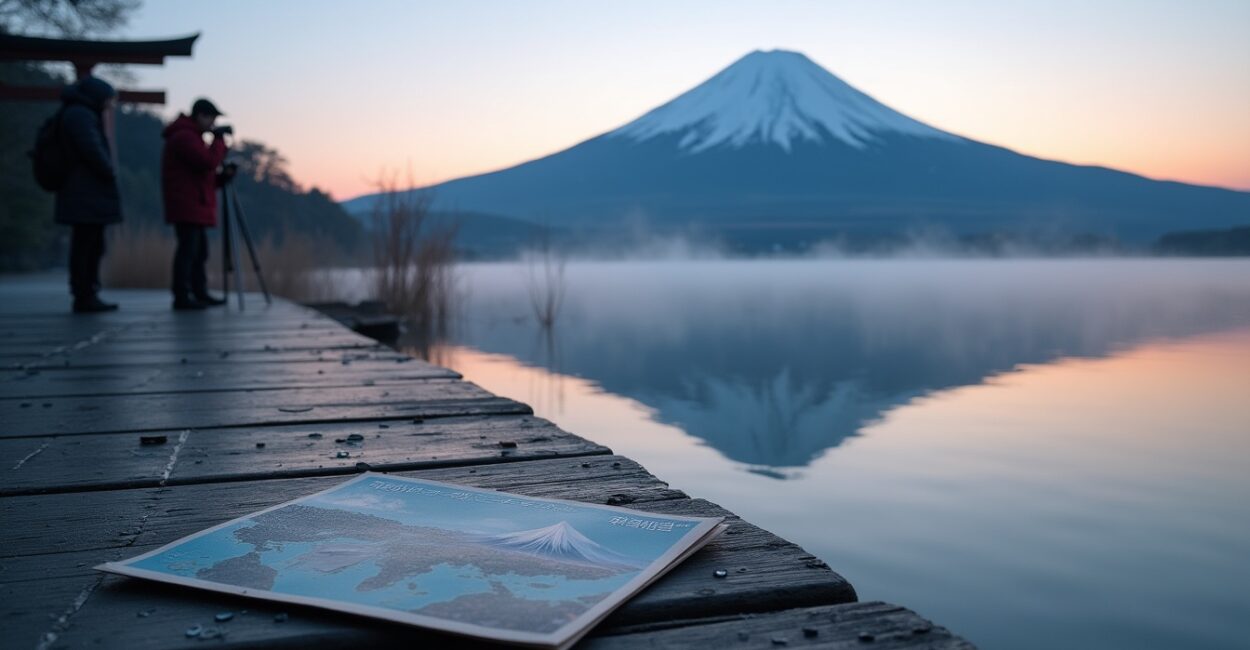
Come at dawn. Seriously — the lake glasses over for about 20 minutes and then it’s gone.
- Best time: 30–45 minutes before sunrise for glassy reflections.
- Where: Kawaguchi and Saiko are dependable; note the prevailing winds.
- Transport hack: take the first Fuji-Q Highland bus from Kawaguchiko Station to beat the crowds.
Here’s the secret: walk left around the northern shore at Kawaguchi and you’ll find a low jetty where tripods sit hidden. Fewer tourists, cleaner reflection.
Roads Less Traveled: Mountain Passes That Reframe Everything
Drive the lesser-known passes just before mid-morning. The angle changes the mountain’s personality — sharp, soft, dramatic.
- Shindo-toge and the Minobu passes give layered foregrounds — trees, ridges, and that abrupt cone.
- Parking: some pullouts are tiny; arrive early or use a compact car.
Pense comigo: when clouds hug the mid-flank, those passes turn Fuji into a theatrical backdrop. Locals know the timing — late spring clears morning haze faster than summer.
Coastal Silhouettes: Mount Fuji Cutting the Horizon
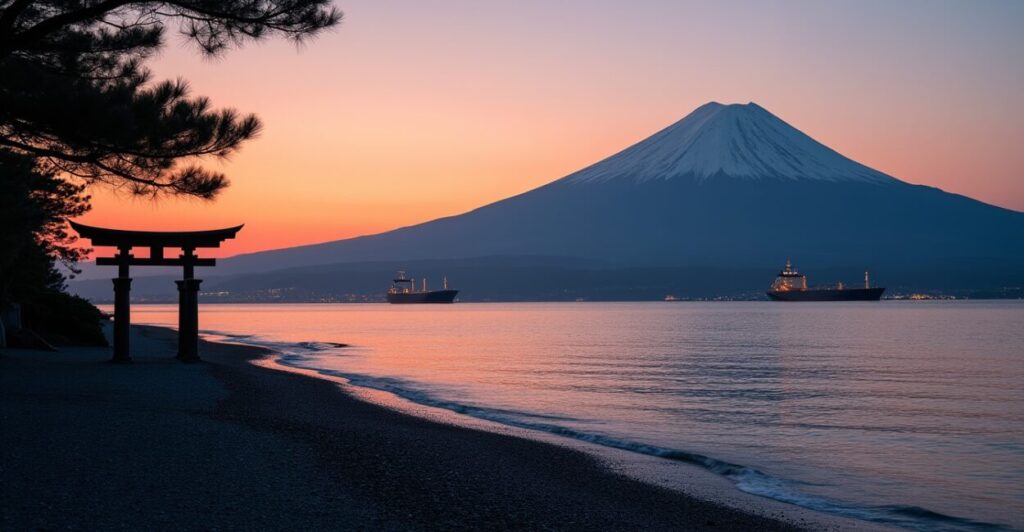
From the coast you get Fuji as a silhouette — dramatic, stark, cinematic.
Best spots: Miho no Matsubara and Enoshima at sunset. Use a telephoto lens to compress distance and make the mountain massive. But not only sunsets — watch for evening ships that give motion to the foreground.
Train-spotting Frames: Passing Views You Can’t Stage
Catch the ride: some of the most cinematic Fuji shots are stolen from the train window.
Pro tip: sit on the right side heading west from Tokyo on clear days. The longest surprise view comes when the train emerges from a tunnel and the mountain is suddenly framed by track and overhead lines. Don’t put your camera away too soon.
Temple Portals and Shrine Frames That Feel Intimate
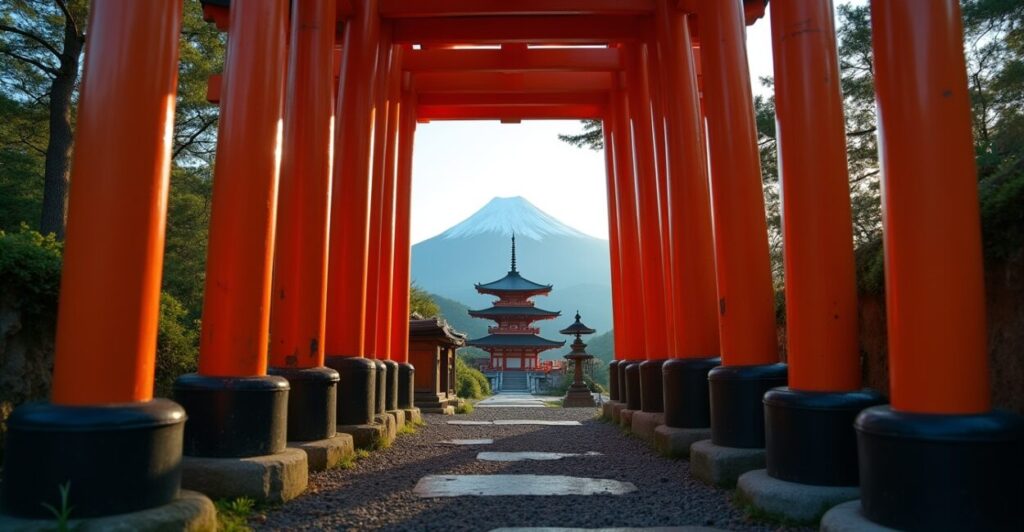
Step into a temple compound and Fuji suddenly feels like an invited guest in a sacred frame.
- Visit Chureito Pagoda for the classic stacked-frame shot early morning.
- Smaller shrines around Fujiyoshida hide low-angle opportunities with torii gates.
Here’s the thing: locals avoid Chureito at peak tourist hours. Walk five minutes beyond the main vantage and you’ll find a quieter gate with equal drama.
Aerial Angles: When Mount Fuji Becomes Geometry
Flyover or drone — both change everything. From above you see the perfect cone, the radial ridges, and the seasonal snow cap like a crown.
| View | Best season | Why it stands out |
|---|---|---|
| Drone low pass | Autumn | Sharp ridge contrast, colorful foregrounds |
| Airplane window | Winter mornings | Clear air, overview of surrounding lakes |
Drone rule: check local restrictions. The airspace around Mount Fuji can be strict; use approved takeoff zones and respect shrine privacy.
Winter Access and the Rare Quiet Summit Vistas
Winter strips distractions. Fewer people, cleaner air, but you must plan for logistics and safety.
- Transport hack: buses run less frequently; reserve seats and check weather forecasts daily.
- What to avoid: attempting summit hikes without proper gear or guides in snowy months.
Local tip: some buses to the 5th station stop earlier in winter. Book a hotel night near Kawaguchiko if you’re chasing alpine dawns.
What to Avoid — Common Mistakes That Ruin the Shot
There are traps that turn a potential masterpiece into a postcard cliché.
- Overplanning a single angle at the expense of light and weather windows.
- Expecting Fuji to cooperate at noon — mid-day light flattens the mountain.
- Ignoring local access rules — fines and confiscated drones happen.
Avoid these and you’ll have flexible plans that let the mountain surprise you, not disappoint you.
Now you have seven fresh ways to experience Mount Fuji — and the tiny, actionable hacks locals whisper about. Which one will you try first?
Go pick a dawn, book that early bus, and don’t forget to look left — sometimes the best view is the one everyone else missed.
How Do I Pick the Best Season to Photograph Mount Fuji?
Winter gives the sharpest outlines and less haze, especially for aerial and train views, while spring and autumn offer colorful foregrounds and reflections at the lakes. Summer tends to be hazier. For crisp peaks and snow-capped drama, aim for December–February; for mirrored lakes, late April–May mornings are ideal. Always check local weather predictions and sunrise times to lock in the best window.
What Are Safe Drone Areas Around Mount Fuji?
Drone regulations near Mount Fuji can change. Use authorized zones around Kawaguchiko and consult Japan’s UTM services before flying. Avoid national park core areas and shrine compounds; local municipalities may require permits. When in doubt, contact the local tourism office or hire a certified operator. Respect no-fly signs and privacy; breaking rules risks fines and drone confiscation.
Are There Reliable Train Spots for Sudden Mount Fuji Appearances?
Yes. From Tokyo, the right side of the Chuo Line and some sections of the Tokaido line reveal Fuji intermittently when trains clear tunnels. The magic is unexpected: tunnels, framing trees, or suddenly opening valleys. Travel light with a zoom lens and be ready to shoot handheld. Avoid window glare by keeping close to the glass and angling your camera carefully.
Can I Reach Lakeside Reflections Without a Car?
Absolutely. Kawaguchiko Station has regular buses to lakeshores like Kawaguchi and Saiko. Early morning buses are limited, so check timetables and reserve when possible. Some guesthouses offer shuttle services for dawn shoots. Walking from the station is an option if you’re prepared for a 20–40 minute stroll with gear. Planning public transport is the real local hack.
What Are the Winter Safety Essentials for the Mount Fuji Area?
Cold layers, waterproof boots, and traction devices are non-negotiable. Daylight is short and temperatures can drop fast. Confirm bus schedules, book lodging ahead, and avoid solo summit attempts in snow without a guide. Always check avalanche advisories and route closures. Tell someone your plan; mountain rescue in winter is slow and weather-dependent.