


Agree: You love that morning cup. Promise: I’m about to tell you five ways that coffee might be quietly aging you — with science-backed reasons. Preview: timing, fasting, sugar, volume, and brewing method — and exactly when to switch to cold brew or matcha. Read this now; your next cup should be smarter, not just stronger.
Why Your “first Cup” Could Be Sabotaging Your Hormones
Ever grab coffee as soon as your eyes open? That’s the move that spikes cortisol at the wrong time.
Cortisol naturally peaks in the early morning to wake you up. Pouring caffeine right into that peak can blunt your natural rhythm and increase overall stress reactivity. Studies show repeated cortisol disruption speeds metabolic wear and tear. Ouch.
Quick fix: Wait 60–90 minutes after waking before caffeine. Let your body wake itself — then amplify it smartly.
The Fasting Trap: When Coffee is Not Your Ally
Intermittent fasting and black coffee seem made for each other, right? Not always.
Black coffee can help suppress appetite, but in some people it triggers insulin spikes or increases blood sugar variability when consumed on an empty stomach. That metabolic whiplash contributes to inflammation and cellular strain over time.
- Tip: If you feel jittery or shaky, add a splash of milk or a protein snack before sipping.
- Tip: Track blood sugar responses if you’re diabetic or glucose-sensitive.
- Tip: Try delaying coffee until after a light protein-rich breakfast if you notice crashes.

The Sugar and Syrup Deception: Sweetness Equals Aging
You might not notice the damage immediately, but added sugars fuel glycation — the chemical reaction that stiffens collagen and speeds visible aging.
Here’s the brutal truth: flavored syrups, spoonfuls of sugar, and even some “healthy” sweeteners can spike insulin and provoke oxidative stress. That’s exactly what accelerates aging at the cellular level.
- Omit syrups. Use cinnamon or a tiny drop of vanilla extract instead.
- Try a natural non-caloric sweetener sparingly, or better yet, retrain your palate over weeks.
Volume Matters: Too Much Coffee is as Bad as Too Little
Are you nursing a giant mug all morning? Quantity changes everything.
Moderate caffeine can improve alertness and metabolism. Chronic high intake raises baseline cortisol and disrupts sleep, even if you think you’re sleeping fine. Poor sleep equals faster aging, period.
| Daily Intake | Likely Effect |
|---|---|
| 0–200 mg | Alertness boost, low risk for most people |
| 200–400 mg | Typical safe range; watch individual tolerance |
| 400+ mg | Increased anxiety, sleep disruption, potential metabolic strain |
- Rule of thumb: Aim for under 400 mg/day. Many espresso-based drinks add up fast.
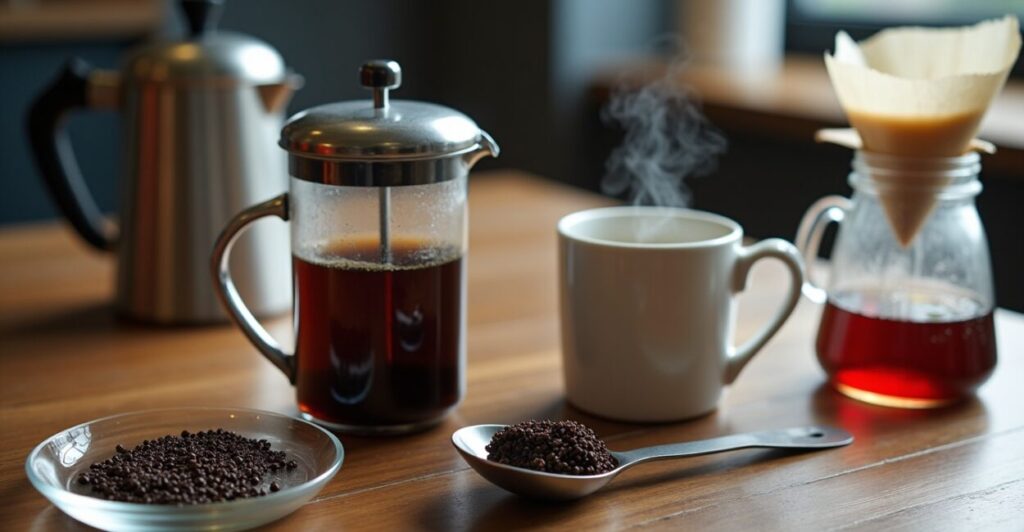
Brewing Method: Why Your Coffee May Be Full of Tiny Offenders
Not all brewing is equal. The method changes acidity, oil content, and extraction of compounds that affect your body.
French press and boiled coffee retain more diterpenes, which can raise LDL cholesterol for some people. Highly acidic brews can irritate the gut and promote systemic inflammation in sensitive folks.
Here’s the secret: Cold brew is lower in acidity and often gentler on insulin spikes. Filtered drip reduces diterpenes. Choose based on what your body tells you.
When to Switch: Cold Brew, Matcha, or Plain Black?
Think of coffee like a tool, not a ritual you can’t question.
Switch to cold brew if you suffer acid reflux, frequent stomach upset, or noticeable post-coffee shakiness. Cold brew extracts fewer acids and often feels smoother.
Choose matcha when you want calmer, longer-lasting focus: the L-theanine in matcha smooths the caffeine spike and reduces stress reactivity — a real anti-aging hack.
- Cold brew: lower acidity, smoother cortisol response for many people.
- Matcha: sustained alertness + reduced anxiety from L-theanine.
- Filtered drip: best if you’re concerned about cholesterol impacts from diterpenes.
Small Habits That Preserve Your Youth (and Your Coffee Joy)
You don’t have to give up coffee. You just need a smarter ritual.
Delay your first cup, avoid sugary additions, moderate total intake, and choose a brewing method that matches your physiology.
Micro-habits to adopt today: wait 60 minutes after waking, eat a small protein bite if fasting, cap total daily caffeine, and try cold brew or matcha two mornings a week.
Final Nudge: What I Want You to Try Tomorrow
Pick one change only. Maybe it’s waiting 60 minutes, or swapping syrup for cinnamon. Keep it tiny and non-negotiable for two weeks.
If nothing else, you’ll learn which cup truly serves you — and that’s the whole point. Aging slower doesn’t mean less joy; it means smarter joy.
FAQ 1: is It Really Harmful to Drink Coffee Immediately After Waking?
Drinking coffee right when you wake can amplify an already-high cortisol level, potentially disrupting your natural hormone rhythm. Over time, repeated misalignment may increase stress sensitivity and metabolic strain. Waiting 60–90 minutes helps your body stabilize its cortisol peak and lets caffeine enhance rather than override your natural wakefulness.
FAQ 2: Can Black Coffee During Fasting Actually Raise Blood Sugar or Insulin?
For many people, black coffee doesn’t directly raise blood sugar, but it can affect insulin sensitivity and hunger hormones. Some individuals experience glucose variability or jitteriness when consuming caffeine on an empty stomach. If you notice adverse symptoms, try delaying coffee until after a small protein snack or monitor your glucose response to see personal effects.
FAQ 3: How Much Sugar in Coffee Starts to Cause Aging Effects?
Even modest daily additions of sugar can contribute to glycation — a process that damages collagen and accelerates visible aging. Regularly sweetening coffee with syrups or multiple teaspoons of sugar accumulates risk. Reducing added sugar or substituting spices like cinnamon preserves flavor while lowering long-term glycation stress.
FAQ 4: When Should I Swap Regular Coffee for Matcha or Cold Brew?
Consider cold brew if you have acid reflux, stomach sensitivity, or notice caffeine spikes — it’s lower in acidity. Choose matcha when you want steady alertness with less anxiety; its L-theanine content smooths caffeine’s edge. If sleep quality suffers or you feel chronically wired, try alternating to see clear benefits.
FAQ 5: What’s a Safe Daily Caffeine Limit to Avoid Aging-related Effects?
Most guidelines suggest staying under about 400 mg of caffeine daily for healthy adults, which is roughly four regular cups of brewed coffee. Individual tolerance varies; if you experience sleep disruption, anxiety, or metabolic issues, lower your intake. Aim for moderation and listen to how your body responds rather than chasing arbitrary totals.