

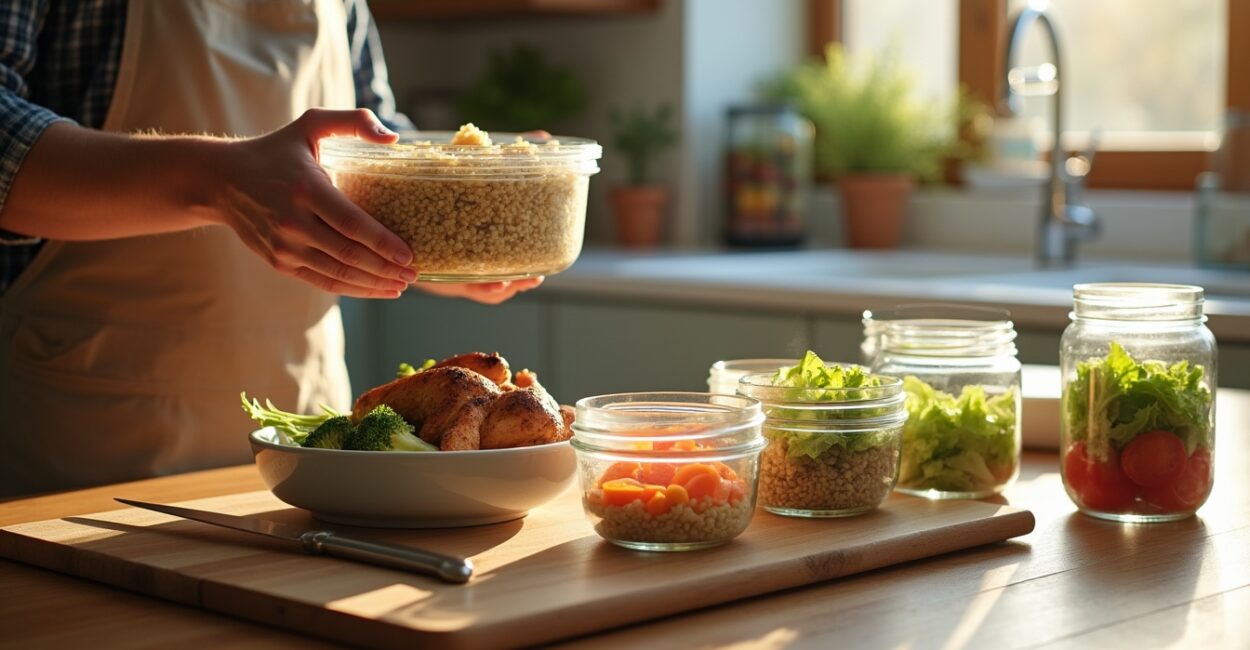
Feeling overwhelmed by weekday dinners and craving simpler, healthier choices? meal prep ideas for healthy eating week can rescue your evenings, reduce stress, and make nutritious eating feel effortless. In this article you’ll find practical, fresh meal prep ideas for healthy eating week that cover breakfasts, lunches, and grab‑and‑go dinners.
We’ll walk through batch roasting, mason‑jar salads, freezer portions, and a concrete menu using roasted chicken, quinoa, and steamed veg that saves three weekday evenings. Expect mobile‑friendly, scannable guidance built for real life and real appetites.
Read on to discover time-saving strategies, shopping tips, and recipes that actually taste like dinner — not a compromise. By the end you’ll have a clear plan for a healthier week and less time in the kitchen.
Why Meal Prep Matters for a Healthy Eating Week
Save Time, Eat Better, Reduce Stress
Meal prep condenses decision fatigue and chopping time into one efficient session. With a solid plan, you swap rushed takeout for balanced meals that keep energy steady through busy weekdays.
Sustainability, Cost Savings, and Structure
Preparing food ahead reduces waste and grocery bills. A small investment of time builds a predictable rhythm — breakfast, lunch, and quick dinners — that supports healthier habits.
Breakfast Strategies to Kick Off the Healthy Eating Week
Quick, Nourishing Starts You Can Grab
- Overnight oats with berries and Greek yogurt
- Egg‑muffins with spinach and feta
- Smoothie packs frozen into single portions
- Chia pudding jars topped with nuts
These breakfast options are prepped in bulk, stored in jars or containers, and ready within minutes each morning. They balance protein, fiber, and healthy fats for lasting fullness.
Portion Control and Variety
Rotate ingredients across the week to avoid boredom. Change fruit, swap nuts, or add spices so your breakfasts feel fresh and exciting every day.

Lunch Ideas and Mason‑jar Salads for Midday Energy
Mason‑jar Salads: Crunchy, Layered, and Leakproof
Mason‑jar salads let you layer dressing at the bottom and greens on top, keeping everything crisp. Pack protein like grilled chicken, chickpeas, or tuna for a satisfying bite.
Make Lunches That Travel Well
Use sturdy grains (quinoa, farro), roasted veggies, and airtight containers. Leftovers from dinner often transform into stellar next‑day lunches with minimal effort.
Batch Roasting, Sheet‑pan Magic and Pantry Staples
Batch Roast Basics for Flexible Meals
- Preheat oven and chop mixed vegetables.
- Toss with oil, salt, pepper, and herbs.
- Lay chicken or tofu on a sheet pan; add veggies.
- Roast 20–35 minutes until golden and cooked.
- Cool, portion, and refrigerate or freeze.
Batch roasting transforms raw ingredients into several meal components at once. It’s efficient and builds a foundation for lunches, bowls, and dinners.
Stock a Smart Pantry and Freezer
Keep staples like canned beans, whole grains, and frozen veg. These items bridge gaps when fresh produce runs low and reduce last‑minute takeout temptations.

Freezer Portions and Grab‑and‑go Dinners That Save Time
Meal‑sized Freezer Portions for Busy Nights
- Portion cooked grains into single servings.
- Freeze individual soup or stew portions.
- Wrap cooked proteins for quick reheating.
- Label with date and contents for easy rotation.
Freezer portions are lifesavers: pop a dinner block in the microwave or oven, steam a veggie, and dinner is ready in under 15 minutes — perfect for hectic evenings.
Reheating Tips and Texture Care
Reheat gently to preserve moisture: cover dishes in the oven or use a splash of water when microwaving. Crisp reheated roasted veg under the broiler for a fresh finish.
Example Menu: Roasted Chicken, Quinoa and Steamed Veg to Save Three Weekday Evenings
How One Roast Becomes Three Dinners
Roast a whole chicken (or large bone‑in breasts) and a tray of mixed root veg. Cook a big pot of quinoa. Portion into three dinner containers: bowl, salad topper, and wrap filling.
Simple Prep Timeline and Serving Ideas
Day 1: Roast chicken with herbs; serve with quinoa and steamed broccoli. Day 2: Shred chicken into salads or mason jars. Day 3: Wrap shredded chicken with quinoa, roasted veg, and sauce for a fast handheld dinner.
Shopping List, Weekly Plan and Quick Swaps
Smart Shopping and Ingredient Swaps
Buy seasonal produce, a whole chicken or thighs, quinoa, leafy greens, and basic spices. Swap quinoa for brown rice or farro, and chicken for chickpeas or tempeh for plant‑based variety.
One‑page Shopping List for a Healthy Eating Week
| Category | Items | Portions |
|---|---|---|
| Proteins | Whole chicken, eggs, canned chickpeas | 3–4 meals |
| Grains | Quinoa, oats, whole‑grain wraps | 5–7 servings |
| Veg & Fruit | Broccoli, carrots, spinach, berries | Daily portions |
| Pantry | Olive oil, spices, nuts, canned tomatoes | Staples |
Motivation, Hacks and Keeping It Delicious
Make It Social and Sensory
Play upbeat music during prep, batch with a friend or family member, and treat yourself to a favorite spice blend. Small pleasures keep consistency sustainable.
Track Progress and Refine
Note what worked, what got eaten, and what sat forgotten. Tweak flavors, swap ingredients, and celebrate fewer takeout nights — progress is the goal, not perfection.
Frequently Asked Questions
How Long Will Prepped Meals Stay Fresh in the Fridge?
Most cooked meals keep well for 3–4 days in an airtight container. Protein like roasted chicken and cooked grains last comfortably for this window. For beyond four days, freeze portions to maintain quality and safety. Always reheat to an internal temperature of 165°F and check for off‑smells or texture changes before eating.
Can I Meal Prep If I Have Dietary Restrictions?
Absolutely. Meal prep is highly adaptable: swap gluten‑free grains, use dairy‑free yogurts, choose plant proteins, or reduce sodium. Plan substitutions ahead and label containers clearly to avoid cross‑contamination if needed. Tailor spices and textures to your needs for satisfying, safe meals throughout the week.
What’s the Best Way to Keep Salads from Going Soggy?
Layer salads in jars: dressing at the bottom, sturdy veggies next, grains or proteins, and delicate greens on top. Store lids tightly and keep chilled. Assemble just before eating when possible. This method preserves crunch and makes salads portable for lunches or quick dinners on busy days.
How Can I Reheat Food Without Losing Flavor or Texture?
Reheat gently: use an oven at moderate heat for roasted items, or microwave in short bursts with a lid and a splash of water to preserve moisture. Finish under a broiler for crispness when desired. For soups and stews, simmer slowly to revive depth of flavor and texture.
Is Meal Prep Expensive Compared to Cooking Daily?
Meal prep generally saves money. Buying whole proteins, seasonal produce, and pantry staples in bulk lowers cost per meal. Reducing takeout and food waste boosts savings even more. Initial prep time is an investment that pays off with cheaper, healthier weekly meals and less impulse spending.
External sources and helpful reads: USDA MyPlate, NHS Eat Well, and recipe inspiration at Bon Appétit.