

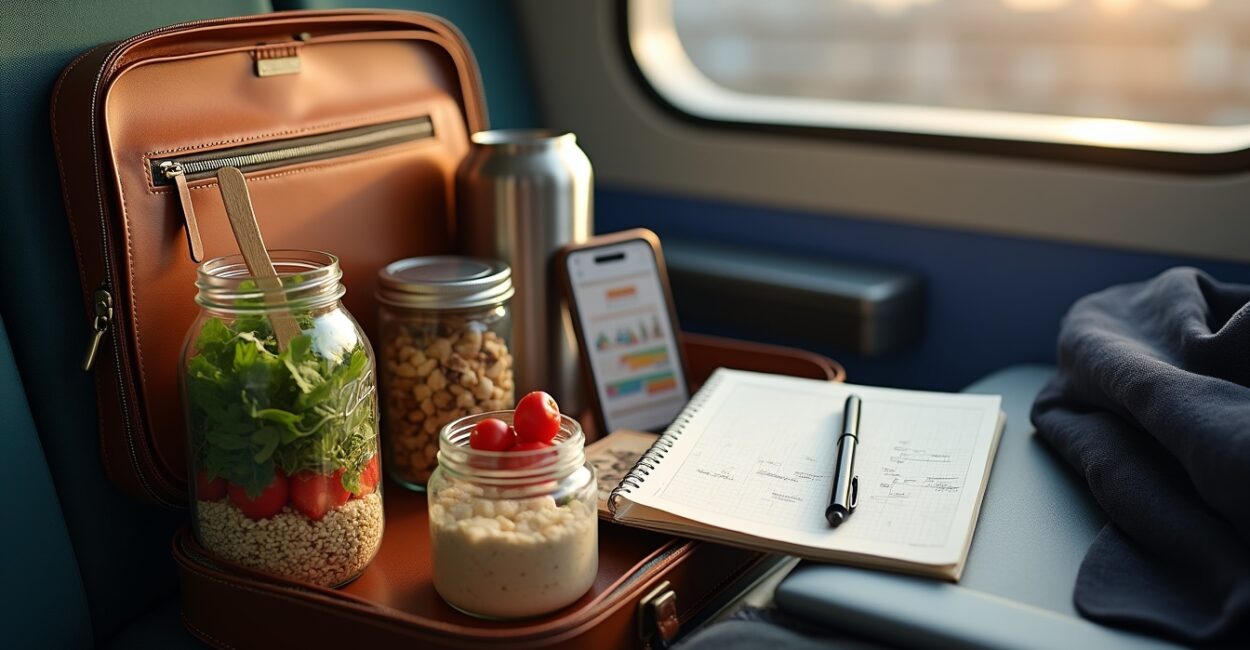
Feeling slammed by meetings, commutes, and deadlines while trying to eat well? healthy eating tips for busy professionals can turn chaotic days into manageable, nourishing routines.
This guide explains practical meal prep, quick snacks, commuting strategies, pantry swaps, and tracking tactics like MyFitnessPal so you can eat better without adding stress.
Read on to find mason-jar salads, overnight oats, batch-cooking templates, portable snack ideas, and time-saving tricks that actually stick.
Quick Wins: Simple Habits That Change Your Day
Morning Rituals to Win the Day
Start with a protein-rich quick breakfast to stabilize energy and reduce mid-morning cravings. Overnight oats or a yogurt parfait are perfect grab-and-go choices.
Add a glass of water and a five-minute prep habit to cut decision fatigue before the workday starts; small habits compound quickly.
Micro-decisions That Save Time
Pre-portion snacks and lunches the night before so you never skip. Little choices—like packed almonds—prevent vending-machine traps.
Use one app to track meals and trends; logging creates accountability and helps you spot patterns worth changing.
Meal Prep That Actually Fits a Busy Schedule
Batch Cooking Basics (prep Once, Eat All Week)
- Pick 2 proteins, 2 grains, 3 vegetables
- Cook in bulk on one day: roast, boil, sauté
- Store in clear containers for fast mixing
- Label with dates and pairings
Batch cooking frees brainspace. With simple templates you can mix and match lunches and dinners in minutes.
Smart Container Strategy
Use clear, stackable containers and mason jars for layered salads; visibility boosts the chance you’ll actually eat what’s prepped.
Invest in a good set of reusable bags and leakproof jars to keep food fresh during commuting and long days.
Healthy, Portable Snacks for Commuters
Snack Ideas That Travel Well
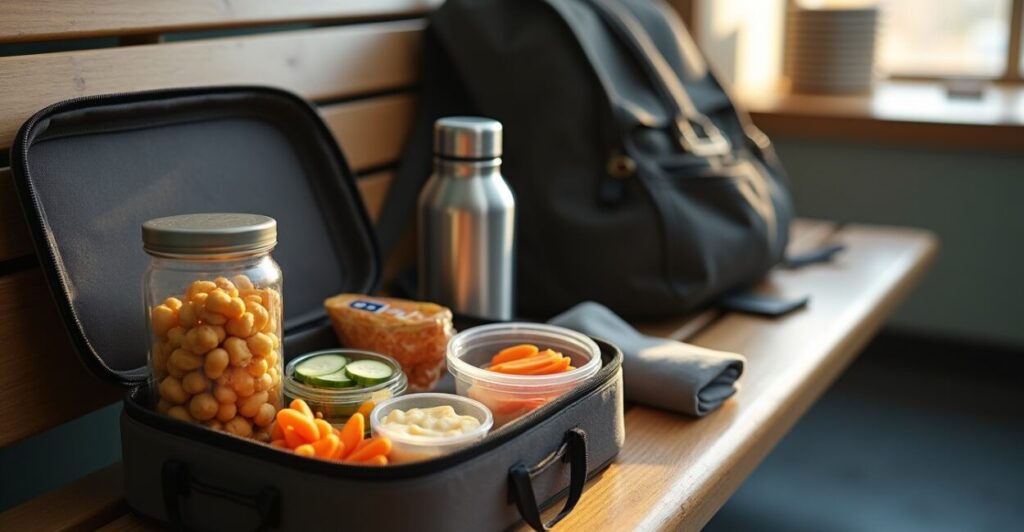
Choose fiber and protein: roasted chickpeas, string cheese, nut butter packs, and cut veggies with hummus stay satisfying on the go.
Keep a small snack drawer at work and a commuter kit in your bag to avoid unhealthy impulse buys.
Snack Timing and Portioning
Plan snacks between meals to maintain energy and avoid overeating at the next meal. Aim for 150–250 calorie snacks with protein.
Pre-portion into small containers to control portions and keep hunger predictable throughout busy shifts.
Speedy Breakfasts: Mason-jar Salads, Overnight Oats and More
Overnight Oats and Yogurt Jars
Combine oats, milk, protein powder, and berries in a jar overnight. In the morning you have a creamy, portable breakfast ready to go.
Swap toppings daily—nuts, seeds, or a spoonful of jam—to keep flavors interesting and prevent boredom.
Mason-jar Salads and Assembly Tips
Layer dressing at the bottom, sturdy veggies next, grains, protein, and greens on top to keep salads crisp until lunchtime.
Bring a fork and a small napkin; shaking the jar right before eating distributes flavors without soggy greens.
Pantry Swaps and Smart Shopping for Busy Pros
Quick Pantry Upgrades for Better Meals
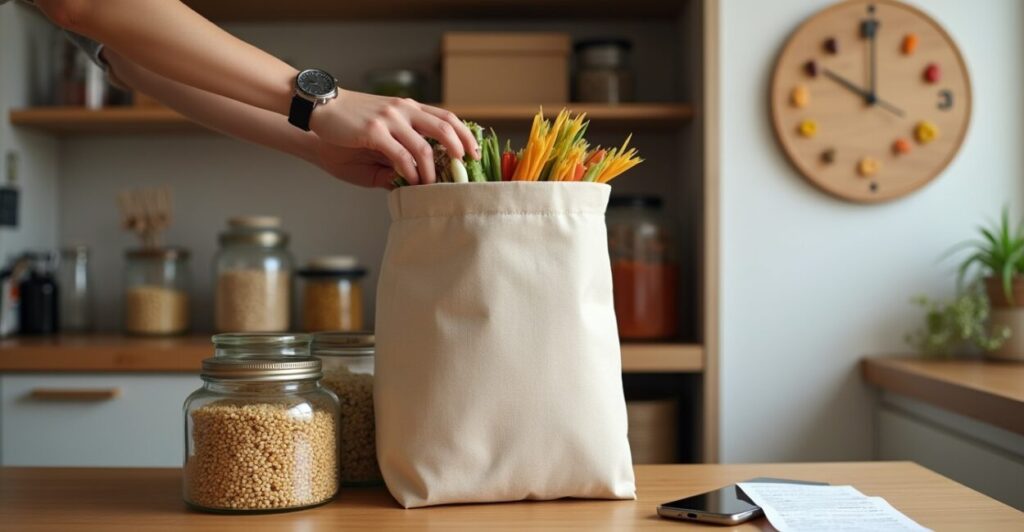
- Swap white rice for quinoa or farro
- Use canned tuna in water instead of fried options
- Choose whole-grain pasta and wraps
- Keep frozen veggies for fast sides
Simple swaps reduce time and improve nutrition. Frozen produce and canned legumes are lifesavers when cupboards are low.
Shopping Hacks to Reduce Decision Fatigue
Create a rotating 10-item shopping list to avoid overwhelm. Stick to staples that work across many recipes for maximum flexibility.
Shop online or use grocery pickup to save time and stick to your planned items, preventing impulse buys at the store.
Time-saving Batch Cooking and Kitchen Workflows
Weekly Workflow That Multiplies Your Minutes
Block 90 minutes on a weekend to cook proteins, roast vegetables, and boil grains. Portion into meals for the week ahead.
Label containers with the day and reheating instructions so you make fast lunches without thinking twice.
Essential Tools That Speed Things Up
A pressure cooker, sheet pans, and a sharp knife transform prep time. These tools let you finish meals faster and cleaner.
Use one-pot recipes and foil-lined pans to minimize cleanup and maximize the likelihood you’ll maintain the habit.
Tracking, Apps, and Mindset for Long-term Success
Using MyFitnessPal and Tracking Strategies
- Log meals immediately after eating to build consistency.
- Set realistic calorie or protein targets based on goals.
- Use recipes feature to save favorite meals for quick entry.
- Review weekly trends, not daily fluctuations.
Tracking helps you learn what fuels your energy and focus. Use data to tweak habits rather than chase perfection.
Mindset Shifts That Stick
Focus on progress, not perfection. Small, repeatable wins beat sporadic strict diets every time for busy professionals.
Celebrate practical milestones: five packed lunches in a row, or three nights of home-cooked dinners this week.
Conclusion
You don’t have to choose between your career and your health. healthy eating tips for busy professionals make good nutrition achievable through simple systems.
Start small—pick one breakfast, one snack, and one batch-cook recipe this week—and watch momentum build into lasting change.
FAQ
How Can I Prep Meals with Very Limited Kitchen Time?
Focus on batch-cooking two proteins and one grain in a single 60–90 minute session. Roast sheet-pan vegetables, boil grains, and portion into containers. Use frozen vegetables and canned beans to cut prep time. Keep staples like mason-jar salads and overnight oats for quick breakfasts and lunches to minimize daily cooking.
What Are the Best Portable Snacks to Avoid Vending Machines?
Choose snacks that combine protein, fiber, and healthy fats: nut packs, Greek yogurt cups, hard-boiled eggs, and roasted chickpeas. Pre-portion portions and keep them in your bag or office drawer. Rotating favorite snacks prevents boredom and lowers the chance you’ll opt for sugary convenience foods.
How Do I Use MyFitnessPal Without Obsessing over Calories?
Use MyFitnessPal to track patterns rather than micromanage every calorie. Log meals to notice trends, set reasonable protein and portion goals, and save frequent meals. Review weekly summaries to adjust habits slowly, focusing on consistency and energy levels rather than daily perfection.
Can Commuting Make Healthy Eating Harder, and How Do I Manage It?
Commuting adds complexity but also opportunity: pack a commuter kit with a mason-jar salad, fruit, and protein-rich snacks. Use insulated containers for hot meals and plan pickups at grocery stores near transit. Small prepped meals reduce reliance on roadside fast food during long trips.
Which Pantry Swaps Deliver the Biggest Nutrition Gains with Minimal Effort?
Swap refined grains for whole grains, white rice for quinoa or farro, and sugary snacks for nuts and dried fruit. Keep canned tuna, beans, and frozen vegetables on hand. These swaps add fiber, protein, and micronutrients without increasing prep time or complexity.
Further reading: see resources from Harvard T.H. Chan School of Public Health for balanced eating guidelines (Harvard Nutrition) and practical meal-prep ideas from NHS Live Well (NHS Live Well).