


Imagine standing at a cliff’s edge with wind in your hair, looking into one of Earth’s most dramatic green gorges: the Blyde River Canyon. This place feels alive, ancient and intimate all at once, and it calls to explorers and dreamers alike.
Today the Blyde River Canyon matters for conservation, local communities and photographers chasing that perfect golden-hour shot. In this article you’ll get vivid viewpoints like God’s Window, learn about restoration near Bourke’s Luck Potholes, and practical tips to visit responsibly.
Why Blyde River Canyon Captivates Travelers
The Canyon’s Dramatic Landscape
The Blyde River Canyon is one of the largest green canyons on Earth, with towering cliffs, lush slopes and sweeping river bends. It’s a visual feast for hikers and photographers.
Geology, river erosion and subtropical vegetation combine here to form a rare, biodiverse landscape. Visitors often describe a sense of awe and calm.
Cultural and Ecological Importance
Local communities, heritage sites and conservation projects all intersect around the canyon. Their stories add human depth to the natural spectacle.
Conservation groups work with farmers and guides to balance tourism and habitat protection, keeping the canyon thriving for future generations.
Top Overlooks: God’s Window and Other Viewpoints
Iconic Views at God’s Window
- Panoramic vistas over the lowveld and escarpment.
- Easy access from the main road—great for quick stops.
- Best light early morning or late afternoon for photos.
- Bring a light jacket; weather changes fast up there.
God’s Window is a short walk from the parking area and rewards visitors with sweeping views of the canyon and distant plains. It’s a must-see for first-time visitors.
The viewpoint’s outlook platforms offer dramatic panoramas; expect crowds during peak times and plan photography for sunrise or sunset to avoid harsh light.
Other Memorable Overlooks
Bordering viewpoints like Three Rondavels and the Pinnacle offer different angles of the canyon’s shapes and textures. Each perspective reveals unique rock formations.
Smaller, lesser-known lookouts invite quiet reflection, wildlife spotting and fewer tourists. Exploring beyond the main platforms often yields personal, unforgettable moments.
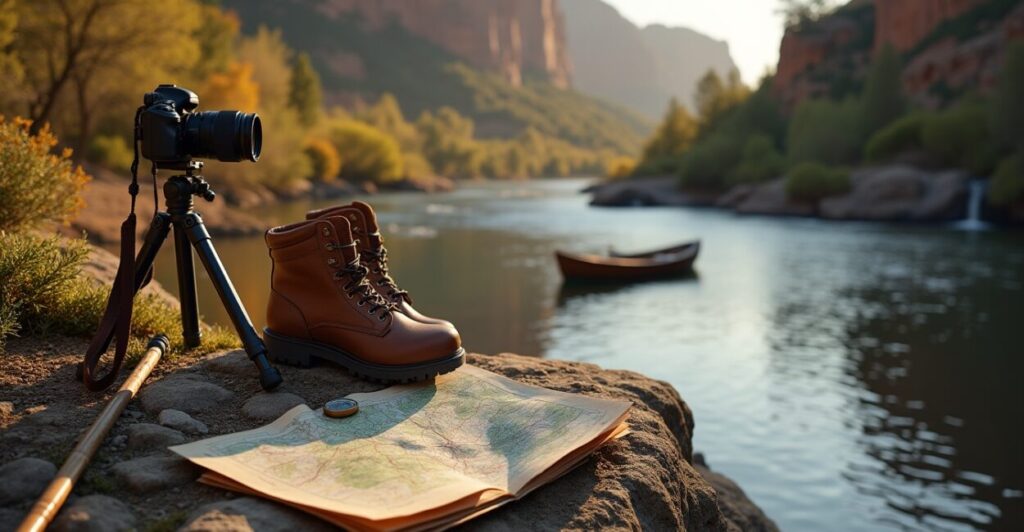
Activities: Hiking, Boat Trips and Photography
Best Hikes and Trails
Short walks and guided hikes lead into pockets of indigenous forest, waterfalls and cliff edges. Trails range from family-friendly to rugged multi-hour routes.
Hire a local guide for safety and insider knowledge. Guides share cultural histories, botany and the best angles for photographs you’ll treasure.
Boat Cruises and River Experiences
Boat trips along the Blyde Dam reveal canyon walls from water level, offering contrast to cliff-top views. These cruises highlight geology and birdlife.
River tours tend to be calmer in cooler months; booking in advance ensures your spot during busy periods and supports local operators.
Restoration Efforts Near Bourke’s Luck Potholes
Conservation Projects and Habitat Restoration
| Project | Focus | Impact Area |
|---|---|---|
| Bourke’s Luck Riparian Rehab | Bank stabilization and native planting | Potholes riverside |
| Local Community Conservation | Education and sustainable tourism | Surrounding villages |
| Invasive Species Control | Remove alien plants and reforest | Upper canyon slopes |
Near Bourke’s Luck Potholes, restoration focuses on stabilizing riverbanks, reintroducing indigenous flora, and combating erosion caused by past interventions and heavy foot traffic.
These efforts improve water quality, protect habitats for fish and birds, and enhance the scenic value of the potholes—helping both wildlife and tourism to thrive.
How Visitors Can Help
Simple actions—sticking to paths, taking litter home, and supporting local conservation fees—make a measurable difference for restoration projects around the potholes.
Volunteering or donating to vetted local NGOs supports longer-term habitat recovery and community education programs tied to the Blyde River Canyon region.

Practical Travel Tips and Responsible Tourism
Getting There and When to Visit
- Check road conditions before driving—some routes are rough.
- Visit during shoulder seasons for fewer crowds and better light.
- Book guided tours in advance during holidays.
- Pack water, sun protection and sturdy shoes for trails.
Access is mostly by car from nearby towns; the region is best explored with a flexible schedule to catch sunrise or golden-hour warmth—prime for photography.
Plan for sudden weather shifts on the escarpment and respect seasonal closures to protect wildlife and habitats during sensitive periods.
Where to Stay and Eat
Accommodations range from campsites and guesthouses to boutique lodges with canyon views. Staying local supports small businesses and conservation fees.
Try regional dishes at nearby towns—local hospitality often includes stories about the landscape and tips for lesser-known trails.
Wildlife, Plants and Geology to Watch For
Flora and Endemic Species
The canyon hosts subtropical forests, proteas, cycads and rare flora found only in this escarpment environment. Botanists and nature lovers revel in the diversity.
Respect protected areas and refrain from removing plants or seeds; many species recover slowly and are crucial to local ecosystems.
Birds, Mammals and Geological Highlights
Look for kingfishers, fish eagles and rare raptors riding the thermals, plus small antelope and primates in thicker vegetation—binoculars help a lot.
Geologically, the canyon reveals sedimentary layers, river-cut potholes and ancient rock formations—a living textbook for curious travelers and photographers alike.
Planning Your Perfect Blyde River Canyon Visit
Sample Itineraries and Timing
Half-day trips cover main viewpoints, while two-day itineraries let you hike, take a boat cruise, and visit Bourke’s Luck Potholes. Tailor your plan to energy and light.
Allow flexibility for sunrise at God’s Window and sunset at the Three Rondavels. Early starts avoid crowds and maximize wildlife sightings.
Safety, Permits and Local Guidelines
Follow posted safety rules at viewpoints and heed guides on trail hazards. Some areas may require permits for guided hikes or conservation contributions.
Respect local communities and cultural sites; asking before photographing people or private properties fosters goodwill and authentic connections.
Conclusion: Leave Only Footprints, Take Everything Else Home
Visiting the Blyde River Canyon is more than sightseeing—it’s an invitation to witness living geology, local resilience and restoration in action. You’ll leave with memories, photos and a responsibility to protect this place.
Whether you stand at God’s Window, peer into Bourke’s Luck Potholes, or hike a lesser-known trail, let your visit support conservation and local people. The canyon rewards careful, curious travelers.
FAQ
What is the Best Time of Year to Visit Blyde River Canyon?
The ideal time to visit Blyde River Canyon is during the shoulder seasons—autumn and spring—when temperatures are mild, daylight is long, and crowds are smaller. These months offer excellent photographic light, active wildlife, and more comfortable hiking conditions compared to peak summer heat and occasional heavy rains.
How Do I Get to God’s Window and Are There Entrance Fees?
God’s Window is accessible by car from the main R532 road; follow signs for the Panorama Route. There is usually a small conservation or parking fee that supports maintenance. Fees vary, so check current rates with local tourism offices before traveling to avoid surprises.
Are Guided Tours Recommended for Exploring the Canyon?
Guided tours are highly recommended: they enhance safety, provide local context, and reveal hidden spots many visitors miss. Guides share geological and cultural knowledge, point out rare flora and fauna, and help minimize environmental impact while enriching your experience substantially.
What Restoration Projects Are Active Around Bourke’s Luck Potholes?
Restoration projects near Bourke’s Luck Potholes focus on riparian rehabilitation, invasive species removal, and community education. These initiatives stabilize riverbanks, restore native vegetation, and support sustainable tourism practices, improving habitat health and scenic integrity for both wildlife and visitors over time.
How Can Visitors Support Conservation in the Blyde River Canyon?
Support conservation by staying on designated trails, paying conservation fees, hiring local guides, and donating to reputable NGOs working in the area. Small actions—like removing litter, avoiding single-use plastics, and respecting wildlife—help restoration efforts and protect the canyon’s fragile ecosystems.
Further reading and sources: visit the official Mpumalanga tourism site for up-to-date visitor info (mpumalanga.com), and explore conservation updates from trusted NGOs like the Endangered Wildlife Trust (ewt.org.za).