

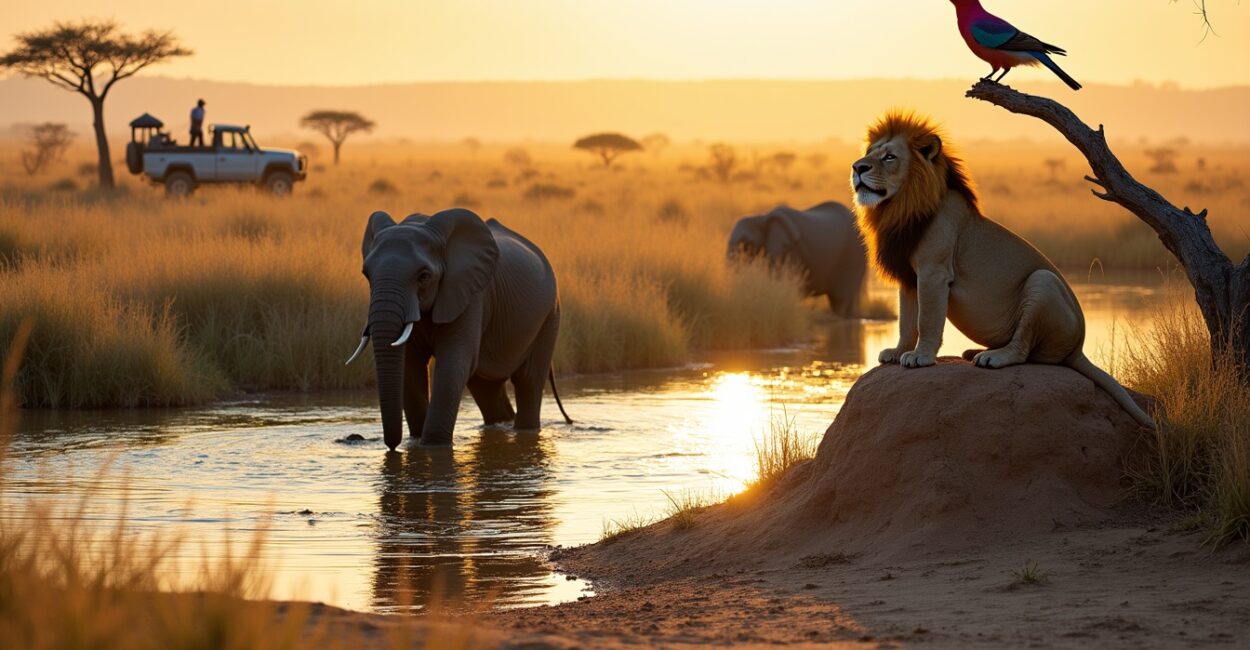
The Kruger scenery grabs you the moment the horizon stretches into endless savanna, thorn trees, and shimmering heat. It’s more than landscapes—it’s a living stage where elephants, lions and vibrant birdlife create daily dramas. Kruger scenery tells that story in light and motion.
Right now, sightings near Lower Sabie—especially elephants bathing at the river—are drawing renewed attention, and night-safari trends are changing how visitors experience the park. This article explores current sightings, practical tips, and the evolving night experience in Kruger scenery.
Read on to discover where to find the best views, how to spot iconic wildlife, what night safaris now look like, and insider tactics for unforgettable Kruger scenery moments.
Why Kruger Scenery Feels Like a Living Painting
Light, Land and the Mood of the Bushveld
The golden light at dawn and dusk sculpts the savanna, turning termite mounds and riverbeds into dramatic silhouettes. It’s the kind of scenery photographers and daydreamers chase.
That constant change—shadow to sun, stillness to stampede—makes Kruger scenery feel alive. Even quiet moments hum with possibility and hidden wildlife signs.
How Vegetation and Water Shape Views
Riverine forests, mopane groves and open grasslands each craft distinct panoramas and animal congregations. Waterholes concentrate life and create cinematic wildlife scenes.
Seasonal shifts alter colors and animal movement, so Kruger scenery in the dry months looks different—and often more revealing—than in the rains.
Top Sightings: Elephants by Lower Sabie and Other Crowd-pleasers
Must-see Encounters Near Lower Sabie
- Elephants bathing and splashing at riverside bends.
- Lion prides resting on shaded banks.
- Hippo pods at dusk, barely visible between reeds.
- Mixed herds of antelope grazing nearby.
Lower Sabie consistently produces dramatic river scenes, where elephant herds and waterbirds coexist in vivid displays. Expect close photographic opportunities at gentle distances.
Where Else to Catch Classic Sightings
Southern routes, like Skukuza and Satara, also offer reliable sightings of large mammals and predators. Each area tilts the odds toward different species.
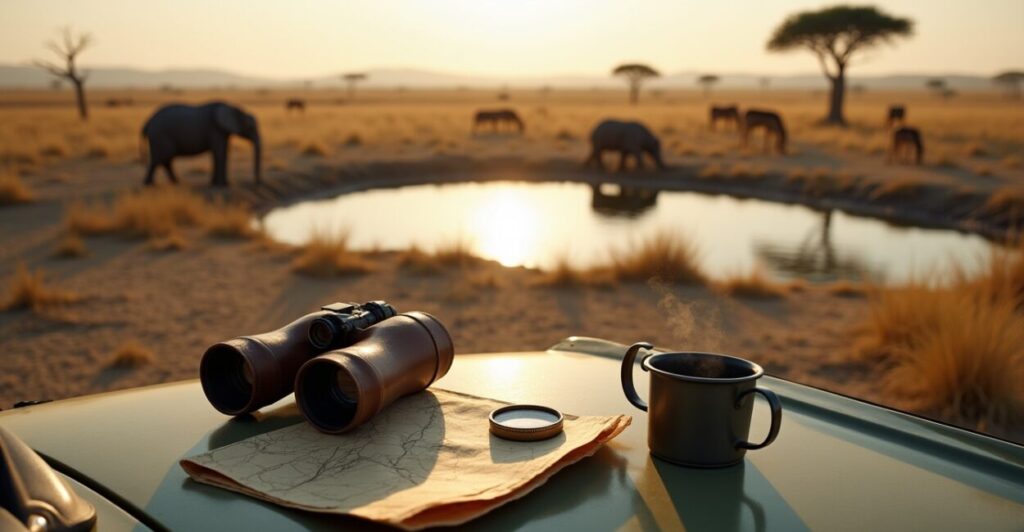
Using early-morning drives increases encounter chances—animals are active and visibility is better. Bring binoculars and patience for the best Kruger scenery rewards.
Game-drive Tactics for Better Kruger Scenery Experiences
Planning Your Route and Timing
Start drives at first light and return at golden hour for the most dramatic scenery and active wildlife. Midday is quieter but ideal for bird watching and landscapes.
Mix short, slow drives with strategic stops at waterholes. That combination maximizes both sightings and chances to savor the scenery without rushing.
Vehicle Etiquette and Wildlife Proximity
Stay inside the vehicle, keep voices low, and avoid sudden moves. Respecting rules preserves both safety and the natural behavior of animals.
Experienced guides know how to approach herds and predators for ethical viewing. Trust their cues to enjoy close, safe Kruger scenery moments.
New Night-safari Trends Shaping After-dark Kruger Scenery
Emerging Approaches to Night Safaris
Night safaris now blend spotlight tracking with guided flashlight walks, offering glimpses of nocturnal hunters and shy mammals under starlight. This method intensifies the mood of the bush.
Some operators emphasize small-group, low-light experiences that reduce disturbance while increasing intimate wildlife encounters. The result: quieter, more authentic after-dark Kruger scenery.
Safety, Regulations and Ethical Viewing
Night drives follow strict park rules and rely on knowledgeable guides. Safety protocols protect both guests and wildlife from stress and harm.
Expect limited off-road access and controlled light use—these rules preserve animal behavior and ensure that Kruger scenery at night remains natural and sustainable.
Essential Gear and Photography Tips for Kruger Scenery
Camera Settings and Lens Choices
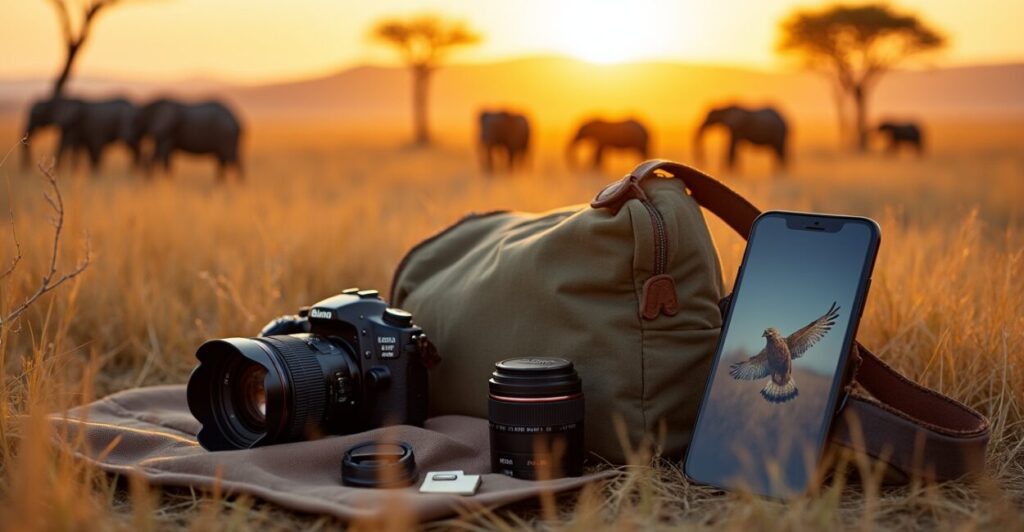
Choose a fast telephoto lens for wildlife and a wide-angle for landscapes. Use high ISO and wide apertures in low light for crisp shots without excessive blur.
Stabilize with a beanbag or tripod in vehicles when possible. Anticipate movement and keep shutter speeds high for active animals against Kruger scenery.
Mobile-first Tips for Sharing Discoveries
Shoot vertical clips for social platforms and use short, authentic captions that highlight the scene and species. Real-time posts boost engagement on discovery-focused feeds.
Compress photos sensibly to maintain quality on mobile while ensuring fast page load. Quick-loading images enhance reader experience and discoverability of your Kruger scenery stories.
Conservation, Community and Responsible Travel in Kruger Scenery
How Tourism Supports Conservation
Park fees and guided safaris fund anti-poaching, habitat restoration and research. Responsible tourism directly sustains the ecosystems that create Kruger scenery.
Choose operators that invest in local conservation projects and community development. Your visit can leave a positive footprint rather than strain local resources.
Supporting Local Communities and Cultural Connections
Local guides and community-run lodges add insight and meaningful income to the region. Engaging locally enriches both your experience and local livelihoods.
Attend cultural talks, purchase crafts responsibly, and learn how community traditions interweave with the landscape and wildlife that define Kruger scenery.
Plan Your Visit: Logistics, Seasons and Practical Tips
Best Times to Visit and Weather Expectations
The dry winter months concentrate animals around water and provide clearer views, while the wet season offers dramatic green scenery and baby animals. Choose based on preferred experience.
Pack layers for cool mornings and hot afternoons. Rainproofing and sun protection are essentials, as weather can shift quickly across Kruger scenery zones.
Accommodation, Permits and Transport
Book rest camps or private lodges early, especially for popular sites like Lower Sabie. Self-drive options allow flexible exploration but guided drives increase sighting odds.
Check park permits, gate times, and vehicle requirements before arrival. Good planning ensures smooth access to the very best Kruger scenery spots.
Conclusion: Why Kruger Scenery Stays in Your Bones
Kruger scenery combines vast landscapes, intimate wildlife moments, and the timeless rhythm of the African bush. Whether watching elephants at Lower Sabie or exploring new night-safari approaches, the park delivers enduring emotional resonance.
Plan thoughtfully, respect wildlife, and let the light and life of Kruger shape your memories. The park rewards curiosity and patience—go ready to be surprised and moved.
FAQ
When is the Best Time to See Elephants at Lower Sabie?
The prime time to see elephants at Lower Sabie is during the dry winter months, when water sources concentrate herds and visibility improves. Early morning and late afternoon drives offer the most active viewing opportunities, with elephants often bathing, drinking, and socializing at riverside bends, creating iconic Kruger scenery moments and excellent photographic chances.
Are Night Safaris in Kruger Safe and Legal for Visitors?
Night safaris in Kruger are legal when conducted by authorized operators and guided by trained rangers. Operators follow strict park regulations to protect guests and wildlife, using controlled lighting and secure vehicles. Always choose licensed providers, confirm safety protocols, and follow guide instructions to ensure a responsible, memorable after-dark Kruger scenery experience without compromising animal welfare.
What Should I Pack for a Kruger Scenery Photography Trip?
Pack versatile camera gear: a telephoto lens for wildlife, a wide-angle for landscapes, spare batteries, fast memory cards, and a compact tripod or vehicle beanbag. Include layered clothing, sunscreen, insect repellent, and binoculars. Preparing for varied light and weather ensures comfortable shooting and maximizes your chances of capturing memorable Kruger scenery images.
How Can Visitors Support Conservation While Enjoying Kruger Scenery?
Support conservation by choosing lodges and guides that contribute to anti-poaching and community projects, paying park fees, and following low-impact practices. Respect wildlife rules, avoid feeding animals, and buy local goods ethically. Informed, responsible tourism channels revenue back into habitat protection and helps preserve the Kruger scenery you came to admire.
Can I Self-drive and Still Spot the Same Wildlife as Guided Tours?
Yes—self-drive visitors can see impressive wildlife, but guided tours often increase sighting odds thanks to ranger expertise and local knowledge. Combining self-drive exploration with at least one guided game drive or walk offers both independence and expert-led insights, maximizing your overall encounter rate and deepening appreciation of Kruger scenery.
External resources: SANParks – Kruger National Park, National Geographic – Kruger