


Imagine stepping into a living postcard: rolling limestone, secret waterfalls and quiet lanes that feel like they belong only to you. The Yorkshire dales offer exactly that—wild calm, dramatic views and gentle hikes that soothe body and mind.
Right now, wellbeing travel is booming, and quiet hiking routes in Yorkshire dales are a perfect match for mindful escapes and nature therapy. This article maps peaceful trails—like Malham Cove and Aysgarth Falls—and explains how they feed modern wellbeing trends.
You’ll find practical route ideas, wellbeing tips, and local context to plan a restorative visit to the Yorkshire dales—clear, scannable and ready for mobile reading.
Introduction snapshot: Quiet hiking routes in Yorkshire dales are ideal for anyone seeking restorative nature, low-impact exploration, and memorable scenery. This guide highlights why these routes matter and how to experience them deeply.
Peaceful Paths: Why Choose Quiet Hiking in the Yorkshire Dales
What Makes a Route Peaceful
Peaceful routes feel remote, have fewer visitors, and offer sensory calm—birdsong, fresh air, and wide views. In the Yorkshire dales, quiet lanes and upland tracks create that serene backdrop.
Look for lesser-known valleys, early starts, and out-of-season visits to increase solitude and connection with the landscape.
Wellbeing Benefits on the Trail
Walking in green, open spaces reduces stress hormones and boosts mood. A quiet Yorkshire dales hike can lower anxiety and increase mindful presence.
Combine gentle pace, deep breaths, and brief pauses at viewpoints to enhance mental clarity and physical recovery.
Iconic Yet Calm: Malham Cove and Its Quieter Angles
Best Times to Visit Malham Cove
- Early morning weekdays for solitude
- Late autumn for soft light and fewer hikers
- Before rain for dramatic skies and empty paths
- Off-peak months for more space at the Cove
Malham Cove is famous, but timing and route choice let you enjoy it quietly. Avoid midday summer weekends if you crave calm.
Walk slightly beyond the main attraction to discover hidden viewpoints and whispering limestone gullies with fewer people around.
Gentle Alternatives Around the Cove
Follow minor lanes toward Gordale Scar or pick the bridleway that skirts the Cove for softer terrain. These give space and quieter panorama moments.
Keep to small, circular routes to avoid busy car parks and return on different tracks for fresh scenery and solitude.
Water and Wonder: Aysgarth Falls with a Mindful Lens
How to Experience Aysgarth Falls Quietly
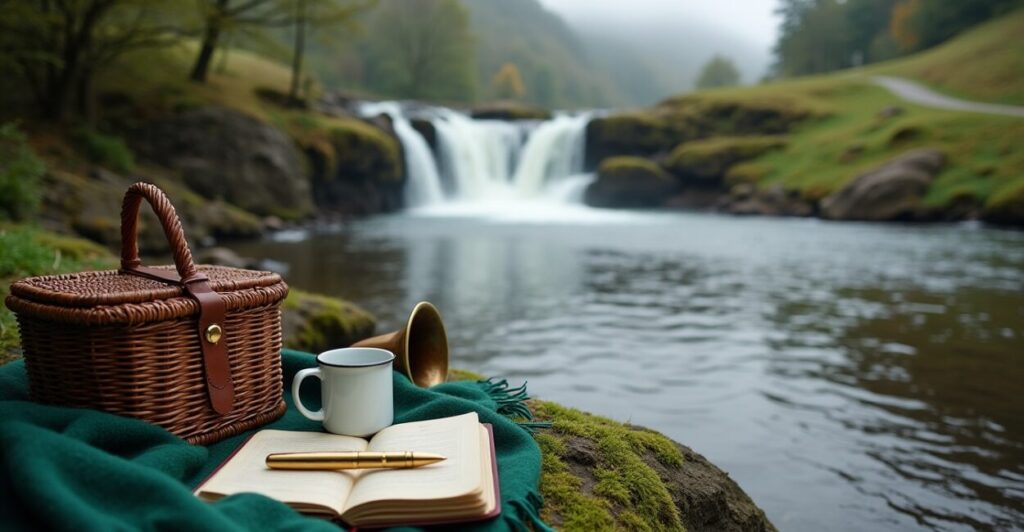
Arrive off-peak and follow side paths that lead to individual cascades. Listening closely to each fall creates a meditative experience in the heart of the dales.
Bring a compact picnic and sit slightly away from main viewpoints to drink in the soundscape without crowds.
Nearby Calm Walks to Pair with the Falls
Short riverside loops upstream offer peaceful walking and gentle gradients. These routes are ideal for reflection and slow pacing.
Pair Aysgarth with a longer valley walk for varied scenery—meadows, riverside trees, and quiet lanes keep the mood tranquil.
Planning Serene Routes: Practical Logistics for Quiet Hiking
Trail Planning and Safety Essentials
Pack layers, a map, and phone power. Weather in the Yorkshire dales can change fast, so prepare for wind and rain even on calm mornings.
Share your route with someone, note parking limitations, and aim for circular walks to avoid repeats and crowd hotspots.
Respectful Hiking Etiquette
Stick to paths, close gates, and keep dogs under control to protect livestock and nesting birds. Quiet voices preserve the experience for everyone.
Leave no trace: take litter home, avoid picking wildflowers, and follow local access rules for sensitive areas.
Quiet Route Suggestions and What to Expect
Short Restorative Walks (4–8 Km)
Choose short loops that combine meadows, dry stone walls, and 360-degree views. These are perfect for a half-day reset in the dales.
Expect varied footing—grassy banks, stone tracks, and occasional stiles. Wear sturdy shoes and move slowly to savor the details.
Longer Contemplative Routes (10–18 Km)
Longer routes let you sink into rhythm: steady breathing, steady steps, generous pauses at waterfalls and vistas. They work well for digital detox days.
Plan water, snacks and a realistic pace. Routes that traverse valleys and ridges provide diversity without crowds.
Table of Hallmark Quiet Hikes: Time, Distance and Difficulty
Quick Reference for Planning
Use this table to match your time, ability and solitude goals—handy for mobile planning and on-the-go decisions.
| Route | Distance | Time | Difficulty |
|---|---|---|---|
| Malham Cove circular | 6 km | 2 hours | Easy–Moderate |
| Aysgarth Falls riverside loop | 5 km | 1.5 hours | Easy |
| Gordale Scar & Malham Tarn | 12 km | 4–5 hours | Moderate |
| Upper Wharfedale ridge walk | 16 km | 5–6 hours | Moderate–Challenging |
These routes balance scenery with solitude—choose based on daylight, weather and wellbeing goals.
Practical Wellbeing Tips to Amplify the Experience
Micro-practices on Trail
- Breathe deeply at viewpoints
- Pause for 60 seconds of silence
- Notice textures—stone, water, grass
- Walk slowly for longer presence
Small, repeatable practices transform a walk into a restorative ritual. They require no gear and deepen your connection to place.
Try five mindful steps: slow pace, inhale, name a color, exhale, smile. Repeat to anchor attention in the present.
Packing Light, Packing Right
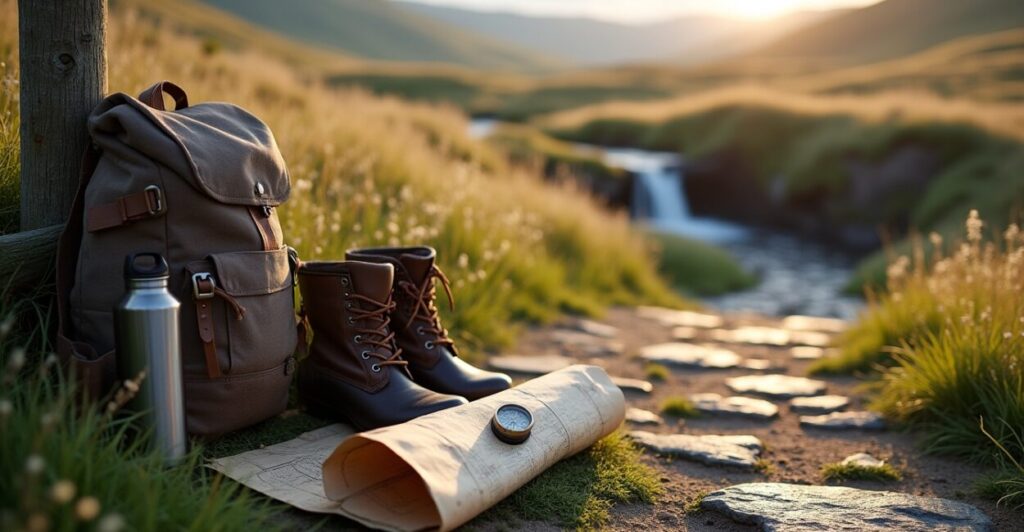
Bring a lightweight waterproof, layered clothing, snacks and a refillable bottle. A small sit-pad is useful for comfortable pauses at viewpoints.
Keep electronics tucked away to reduce distraction; use your phone mainly for safety and navigation when needed.
Connecting Local Culture, Conservation and Resources
Supporting Local Conservation
Respect National Park guidelines and consider donating to habitat projects. Your low-impact visits help preserve the very quiet you enjoy.
Learn about local stewardship and follow path repair advice to reduce erosion and protect habitats in the Yorkshire dales.
Local Resources and Further Reading
Find reliable information from the Yorkshire Dales National Park and National Trust for access and conservation details. Visit official sites before travel.
Check trail updates and seasonal guidance from VisitEngland for safe planning and local events that might affect solitude.
FAQ (frequently Asked Questions)
What Are the Best Months for Quiet Hiking in the Yorkshire Dales?
The best months for quiet hiking in the Yorkshire dales are late autumn and early spring, when visitor numbers drop but the weather remains walkable. Off-peak months offer softer light, empty trails, and better chances to hear wildlife without large crowds, enhancing a restorative outdoor experience.
Are Malham Cove and Aysgarth Falls Suitable for Beginner Hikers?
Yes, both Malham Cove and Aysgarth Falls have accessible routes suitable for beginners, featuring well-marked paths and moderate terrain. Choose shorter loops, wear supportive footwear, and plan breaks; beginners who pace themselves can enjoy dramatic scenery without technical difficulty or excessive strain.
How Can I Protect Solitude While Visiting Popular Sites?
To protect solitude at popular sites, visit early, choose weekdays, and explore side paths that bypass main viewpoints. Stay longer at quieter spots, walk beyond car parks, and practice low-impact etiquette to preserve tranquil experiences for yourself and others during your Yorkshire dales visit.
What Gear Enhances a Peaceful Hike Without Being Bulky?
Pack lightweight layers, a waterproof shell, sturdy walking shoes, a refillable water bottle, and a small sit-pad for pauses. A compact map, power bank, and a simple camera are useful, but keeping kit minimal helps maintain a mindful, uncluttered hiking experience in the Yorkshire dales.
Where Can I Find Official Trail Information and Safety Updates?
Official trail information and safety updates are available from the Yorkshire Dales National Park Authority, National Trust pages for specific sites, and VisitEngland travel guidance. Check these sources before your trip for closures, weather advisories, and conservation notices to plan a safe, respectful visit.
Further reading and official resources: Yorkshire Dales National Park, National Trust, and VisitEngland.