

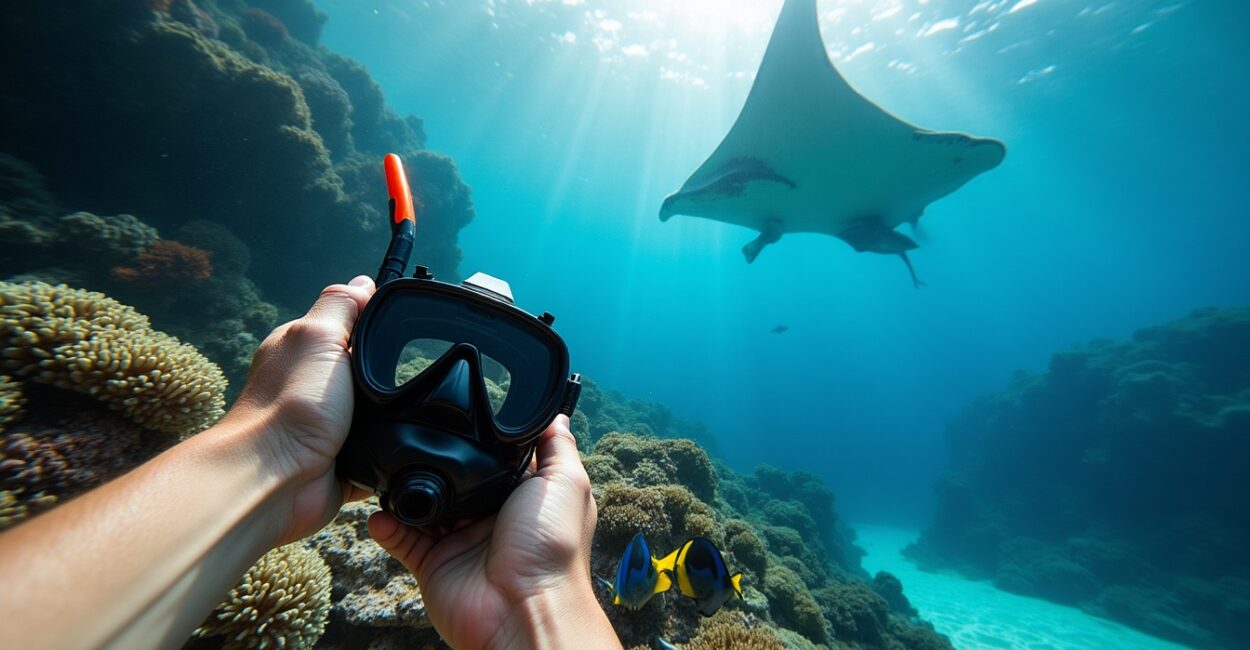
Micronesia snorkeling unlocks hidden blue worlds where reef walls, manta glides and kaleidoscopic coral gardens create picture-perfect moments. Whether you chase clearer snorkeling photos or craving wild underwater encounters, these islands deliver luminous water and intact biodiversity.
In 2025, destinations like Palau’s Blue Corner and Pohnpei’s coral gardens stand out for crystal visibility and abundant marine life. This guide maps top sites, photo tips, tides and local know-how to make every swim unforgettable.
Read on to discover best seasons, safety, gear, travel logistics and must-visit reef sites across Micronesia snorkeling hotspots—plus practical steps to capture stunning underwater shots.
Why Micronesia Snorkeling Matters for Photographers and Adventurers
Micronesia snorkeling offers some of the clearest waters and healthiest coral reefs in the Pacific, ideal for underwater photography, reef conservation and close encounters. Expect steep reef walls, calm lagoons, drift channels and huge schools of fish.
Photographers and nature lovers choose these islands for reef biodiversity, manta ray cleaning stations and dramatic drop-offs. With proper planning you’ll find lighting, visibility and marine behavior that elevate every frame.
Crystal-clear Visibility and Reef Structure
Clear water visibility in many Micronesian sites lets colors pop without heavy editing. Bright coral gardens and steep reef walls create natural backdrops for portraits and macro shots.
Diverse reef structure—ledge, bommie and lagoon—helps predict fish behavior and find photo-rich zones like cleaning stations and seagrass beds.
Wildlife Behavior and Ethical Snorkeling
Understanding fish patterns, cleaning stations and tide-driven currents improves your chances of seeing manta rays, turtles and large pelagics. Respectful distance keeps animals calm and photos natural.
Ethical snorkeling practices—no touching coral, controlled buoyancy and limited flash—protect reefs and maintain the authentic light conditions professionals prefer.
Top Micronesia Snorkeling Spots for 2025 and Why They Shine
Palau’s Blue Corner and Pohnpei’s coral gardens headline 2025 lists for clearer snorkeling photos, but many other sites deliver equally dramatic encounters. These spots combine reef health, accessibility and predictable wildlife.
From drift-friendly channels to shallow gardens, Micronesia offers varied photo opportunities: wide-angle reef panoramas, macro critter shots and action scenes with sharks or mantas.
Must-visit Highlights
- Palau – Blue Corner: strong currents, big pelagics, stunning blue walls.
- Pohnpei – Coral Gardens: vibrant shallow reefs, great for macro and wide shots.
- Chuuk Lagoon: wreck snorkeling, unique historical context and marine life.
- Kosrae: pristine lagoons and soft coral gardens ideal for calm shoots.
Photographic Advantages
Shallow coral gardens give brilliant natural color at midday, while channels provide larger species and dramatic backgrounds for wide-angle compositions. Plan for currents and light.
Combine sunrise sessions in calm lagoons and midday dives along walls for balanced portfolios. Local guides know exact times when visibility and wildlife converge.
Best Times, Tides and Weather for Optimal Photos
Seasonality affects visibility, currents and animal presence across Micronesia snorkeling sites. For photogenic conditions, travel in the drier months and align outings with slack tides to avoid stirred sediment.
Checking local weather and lunar cycles helps capture calmer seas, better natural light and more visible reef colors—crucial for clearer snorkeling photos.
Season and Visibility Planning
Most Micronesian islands have clearer water in the dry season; visibility can exceed 30 meters in prime months. Aim for mornings when the sea is glassy and light angles favor color fidelity.
Avoid after-storm windows when runoff clouds lagoons and reduces contrast. Local dive operators monitor swell and will advise best days.
Tides, Currents and Lighting
Slack tides reduce drift and sediment, improving clarity for photos. Channels like Blue Corner are current-dependent; timed entries increase wildlife sightings and safety.
Use golden hour for surface portraits and midday for vivid coral color—adjust strobes and white balance based on available light.
Practical Gear, Camera Settings and Snorkeling Technique
Gear choices and camera settings directly affect results when Micronesia snorkeling. Lightweight housings, wide-angle lenses and natural light techniques often outperform heavy strobes in shallow gardens.
Technique—steady breathing, slow approaches and neutral buoyancy—keeps subjects relaxed and frames crisp. Pack redundancy for memory and power.
Recommended Gear List
- Wide-angle housing and dome port for reef panoramas.
- Macro diopter for critter close-ups in coral gardens.
- Mask with purge valve, snorkel keeper and reef-safe sunscreen.
- Spare batteries, memory cards and a float for surface safety.
Camera Settings for Clarity
Use fast shutter speeds (1/250–1/500) and moderate ISO for moving fish, with aperture tuned to depth of field needs. Shoot RAW for color correction after the dive.
Underwater white balance and manual exposure help preserve coral hues; bracket shots when light is variable to secure usable frames.
Logistics: Getting There, Permits and Local Operators
Reaching Micronesia snorkeling hotspots requires planning—international flights, inter-island connections and guided trips are typical. Book reputable local operators for safe entry to remote reefs.
Some sites need permits or park fees to support conservation; fees enhance reef protection and improve local livelihoods. Always confirm permit rules before travel.
Travel and Transport Tips
Major gateways include Palau and Pohnpei, with regional flights linking the states. Arrange transfers with operators who understand currents and photo windows for each site.
Plan buffer days for weather delays and allow time to adapt to local rhythms for better field conditions and photo opportunities.
Permits, Parks and Conservation Fees
Many top sites fall within marine protected areas requiring fees or permits. These funds help maintain coral reefs and support sustainable snorkeling tourism.
Work with licensed guides who include park passes in itineraries and offer conservation-minded briefings before snorkeling trips.
Safety, Conservation and Responsible Practices
Responsible Micronesia snorkeling balances adventure with reef protection. Follow local codes, avoid touching coral and maintain distance from wildlife to preserve behavior and habitats.
Safety measures—buddy systems, floatation aids and knowledge of currents—reduce incidents and support longer-term access to fragile reefs.
Responsible Snorkeling Checklist
- Do not touch or stand on coral.
- Use reef-safe sunscreen or a UV suit.
- Keep distance from turtles, reef fish and cleaning stations.
- Follow guide instructions and local regulations.
Safety Protocols in Open Channels
Use surface markers and stay with your guide in current-prone zones like Blue Corner. Drift snorkeling needs clear briefings and exit plans to ensure safety and photo success.
Carry a whistle, SMB and know the rendezvous point; guide expertise is essential where currents attract larger pelagics.
Top Itineraries and Sample Day Plans
Curated day plans maximize light, wildlife and travel time for Micronesia snorkeling. Pair early lagoon sessions with afternoon channel sweeps to capture a variety of scenes and species.
Local outfitters often combine short boat hops with multiple shallow stops—ideal for photographers who need varied shooting conditions and rest between dives.
Sample Half-day Photo-focused Plan
Start at sunrise in a calm coral garden for macro and portrait light, rest midday, then head to a channel for pelagic action. Return for sunset surface shots.
This split-day approach reduces fatigue and gives a range of photographic opportunities from soft coral detail to wide-angle fish action.
Multi-day Island Loop Example
Spend two nights near a reef wall like Blue Corner, then transfer to a sheltered atoll for macro studies and night snorkeling. Include a conservation briefing and photo review session.
Allow rest days for equipment checks and local cultural experiences; pacing improves photo quality and fosters deeper connections with place.
Comparison of Top Sites and Quick Reference
Use this table to compare visibility, wildlife, depth range and best photo targets across standout Micronesia snorkeling sites in 2025.
| Site | Visibility | Depth Range | Best Photo Targets |
|---|---|---|---|
| Palau – Blue Corner | 20–30m | 5–30m | Sharks, schools, dramatic blue walls |
| Pohnpei – Coral Gardens | 10–25m | 1–12m | Macro life, colorful coral, turtles |
| Chuuk Lagoon | 8–20m | 2–25m | Wrecks, schooling fish, seascapes |
| Kosrae | 12–25m | 2–20m | Soft corals, calm lagoons, reef fish |
Conclusion: Make 2025 Your Best Micronesia Snorkeling Year
Micronesia snorkeling in 2025 promises clearer snorkeling photos, rich reef encounters and unforgettable blue moments—especially at Palau’s Blue Corner and Pohnpei’s coral gardens. Plan with local guides, respect reefs and prioritize lighting windows to capture the essence of each site.
Return home with both timeless images and the satisfaction of having protected the places that inspired them. Let those opening visions of blue walls and coral gardens guide your next trip.
Faq
What is the Best Time of Year for Micronesia Snorkeling to Get Clear Photos?
The best months typically fall in the regional dry season when visibility improves and winds subside, usually between November and April in many Micronesian islands. Travel during these months to maximize clear water, stable light for color fidelity and predictable wildlife behavior for better photography outcomes.
Are Palau and Pohnpei Suitable for Beginner Snorkelers Seeking Good Photos?
Both Palau and Pohnpei offer beginner-friendly spots alongside advanced channels. Shallow coral gardens and protected bays provide calm conditions for learning buoyancy and composition, while guided trips ensure safe access to photogenic reefs and teach respectful wildlife interaction techniques.
What Permits or Fees Are Required for Snorkeling at Protected Sites?
Many top snorkeling areas are within marine protected zones requiring entry fees or permits to fund conservation. Costs vary by location; book through licensed operators who include permits. Fees support reef protection and ensure continued access to pristine snorkeling sites for photographers and tourists alike.
How Do I Find a Reputable Guide or Operator for Micronesia Snorkeling?
Choose operators with local accreditation, positive reviews and conservation commitments. Ask about safety protocols, small group sizes and photo-friendly itineraries. Reputable outfits provide park permits, experienced local guides and clear briefings for ethical snorkeling and best photo windows.
What Camera Settings and Techniques Work Best for Reef Photography While Snorkeling?
Use a fast shutter (1/250–1/500) to freeze motion, moderate ISO for clarity, and shoot RAW for post-processing. Employ wide-angle for scenes and macro for critters, maintain neutral buoyancy and steady breathing, and favor natural light; add strobes only when needed to balance color at depth.
External resources: Palau Visitors Authority, NOAA marine resources, and local Pohnpei tourism pages for permits and operator listings.