

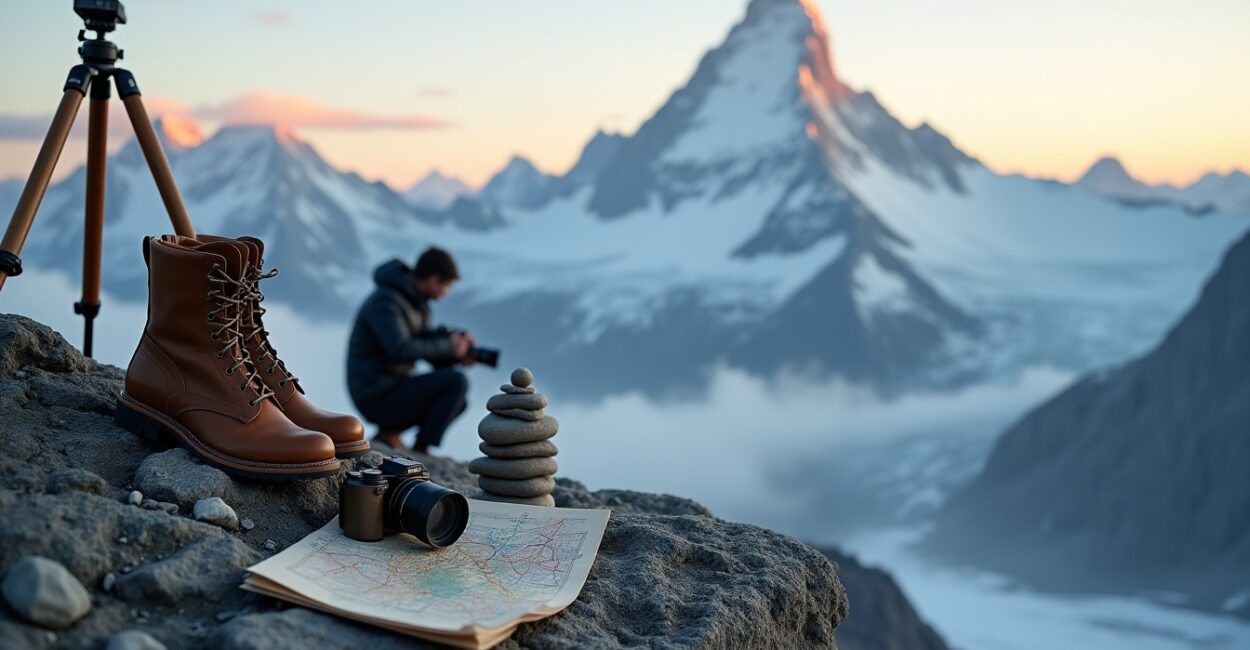
Have you ever felt the hush that falls when a mountain reveals itself? Montblanc viewpoints deliver that exact hush — dramatic ridgelines, glaciers catching morning light, and perspectives that redefine scale. Montblanc viewpoints are where the massif becomes a living story, and you stand inside it.
Today, photographers, hikers, and travelers chase these viewpoints like rare light: Col du Montet, Brévent, and hidden belvederes that frame Mont Blanc’s glaciers and peaks. This guide maps the best Montblanc viewpoints, practical tips, and emotional reasons to go.
Read on to discover top vantage points, ideal times, gear suggestions, and precise routes so your next visit captures the massif’s drama and stays etched in memory.
Why Montblanc Viewpoints Matter: the Emotional Pull and Visual Payoff
Why These Views Change Perspectives
Montblanc viewpoints transform scale into story: glaciers, horns, and cols combine to create cinematic panoramas that feel both intimate and epic.
Photographers and hikers seek these viewpoints for composition, light, and the rare silence that magnifies every breath and color shift.
Visual Payoff for Every Visitor
From sunrise over Aiguille du Midi to sunset on the Mer de Glace, these viewpoints reward patience with layers of texture and light.
Expect emotional clarity—views that simplify noisy lives and invite contemplation, memory-making, and sharing.
Top Accessible Viewpoints Near Chamonix
Brévent: Easy Access, Dramatic Foregrounds
Brévent offers sweeping panoramas across the Chamonix valley toward the north face of Mont Blanc and jagged ridges nearby.
The cable car makes Brévent a quick win for sunrise shots and a family-friendly lookout with alpine meadows below.
- Take the early cable car for golden hour.
- Follow short trails to viewpoints for varied angles.
- Pack wind protection; conditions change fast.
- Use a wide lens to capture the massif and valley.
Col Du Montet: Classic Alpine Framing
Col du Montet sits on the Argentière road and provides framed views of peaks, pastures, and the distant massif—ideal for layered compositions.
It’s a roadside gem: accessible by car or bus, with short walks to quieter outlooks that avoid crowds.
High-altitude Vantage Points for Photographers
Aiguille Du Midi: the Aerial Stage
Aiguille du Midi lifts you to 3,842 meters for an almost orbital view of Mont Blanc and its glaciers—stark, severe, and unforgettable.
Photographers gain foreground drama from ridgelines and dramatic depth from high-contrast shadows on the ice.
Plan De L’aiguille and Nearby Ridges
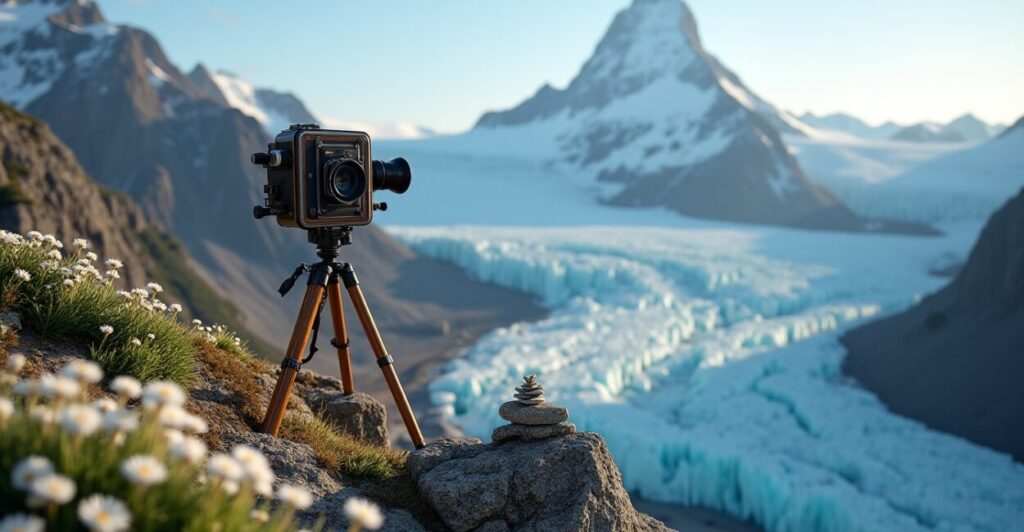
These ridges offer more approachable high views with alpine flora in the foreground and sharp glacial textures beyond.
Visit late spring to autumn for best trail access and clear visibility after cold, dry nights.
Hidden Viewpoints and Off-the-beaten-track Belvederes
Secret Ledges and Quiet Cols
Small cols and lesser-known ledges reveal unique lines of sight—unexpected foregrounds, minimal crowds, and intimate glacier frames.
Finding them often requires local intel, early starts, and a willingness to deviate from labeled trails.
- Ask local guides for lesser-known viewpoints.
- Follow contour paths to discover quiet outlooks.
- Carry a detailed map and respect private terrain.
- Leave no trace to preserve these delicate spots.
Safety and Etiquette Off Marked Trails
Hidden viewpoints can be on unstable terrain; wear sturdy boots and travel with someone informed about alpine risks.
Respect closures, seasonal wildlife, and private land—ethical travel preserves these places for others.
Best Times, Light, and Weather Windows (with Quick Reference Table)
Seasonal and Daily Timing for Optimal Light
Light transforms Montblanc viewpoints: warm mornings for east-facing scenes and late afternoons for dramatic shadows on glaciers.
Check weather windows: clear nights often yield crisp mornings; summer thunderstorms can roll in fast.
Practical Quick-reference Table
| Viewpoint | Best Time | Access | Why Go |
|---|---|---|---|
| Brévent | Sunrise / Evening | Cable car | Classic valley panorama |
| Col du Montet | Morning | Roadside / short walk | Framed massif views |
| Aiguille du Midi | Morning clear days | Cable car | High-altitude drama |
| Hidden ledges | Golden hour | Hike / local guide | Quiet unique angles |
How to Plan Your Visit: Logistics, Gear, and Local Resources
Essential Gear and Timing Checklist
Packing right maximizes viewpoint potential: layers, tripod, wide and tele lenses, water, sunscreen, and a small first-aid kit.
Arrive early to secure spots, avoid mid-day haze, and find the precise angles you want for composition.
- Layered clothing and waterproof shell.
- Lightweight tripod and ND/filters.
- Wide-angle and telephoto lenses.
- Snacks, water, and a paper map.
Local Links and Authority Resources
Check current cable car hours and trail conditions via official Chamonix tourism sites for safety and seasonal updates.
Authoritative resources include Mont Blanc Massif guides and national park pages for weather, access rules, and guided options.
Official timetables and conditions: Chamonix Official, general alpine safety guides: Petzl.
Creative Approaches to Photographing Montblanc Viewpoints
Compositional Strategies for Drama
Use foreground interest—rocks, flowers, or a ridge—to lead the eye toward the massif and create depth in mountain shots.
Contrast warm sunrise light with cold blue glaciers for emotional color tension in images.
Story-driven Visits and Responsible Photography
Tell a story: include human scale for context or focus on seasonal changes to show the massif’s life across time.
Respect closures and habitats; use telephoto compression to capture wildlife without disturbance.
Conclusion: Find Your Montblanc Viewpoint and Carry the Moment Home
Montblanc viewpoints are more than photos; they’re moments where light, scale, and silence align. Whether you pick Brévent, Col du Montet, or a secret ledge, you’ll return changed.
Plan smart, respect the mountain, and aim for early light—those choices turn a visit into a memory that lingers long after descent.
Faq — Frequently Asked Questions
What Are the Easiest Montblanc Viewpoints for Families with Children?
The easiest viewpoints for families include Brévent and Col du Montet, accessible by cable car or short walks. These spots offer wide paths, safe viewing platforms, and alpine meadows for breaks. Families should pack layers, snacks, and sun protection, and avoid late-afternoon storms.
When is the Best Month to Photograph Montblanc Viewpoints for Clear Skies?
Late summer, especially July to September, often provides stable weather and clearer skies, though mornings are best. Early autumn can offer crisp air and golden hues. Always check local forecasts and be prepared for quick weather shifts at altitude to ensure safe and clear photography.
Can I Reach Aiguille Du Midi Without a Guide, and is It Safe for Non-climbers?
Aiguille du Midi is reachable by cable car and safe for non-climbers on established platforms. However, exposed zones require caution, warm clothing, and awareness of altitude effects. For glacier travel or technical routes, hire a certified guide to manage risks and route planning effectively.
Which Viewpoint Offers the Best View of the Mer De Glace Glacier?
The best views of Mer de Glace come from high ridge viewpoints near Montenvers and select routes above the glacier. Montenvers is accessible by cog railway and provides interpretive platforms. For unique perspectives, guided hikes above the glacier reveal texture and scale while prioritizing safety.
How Can I Find Lesser-known Montblanc Viewpoints Without Getting Lost?
To discover lesser-known viewpoints safely, consult local guidebooks, talk to park rangers, and hire a local guide for first visits. Use topographic maps, download offline routes, and inform someone of your plan. Start early to avoid crowds and stick to sustainable trails to preserve fragile areas.