

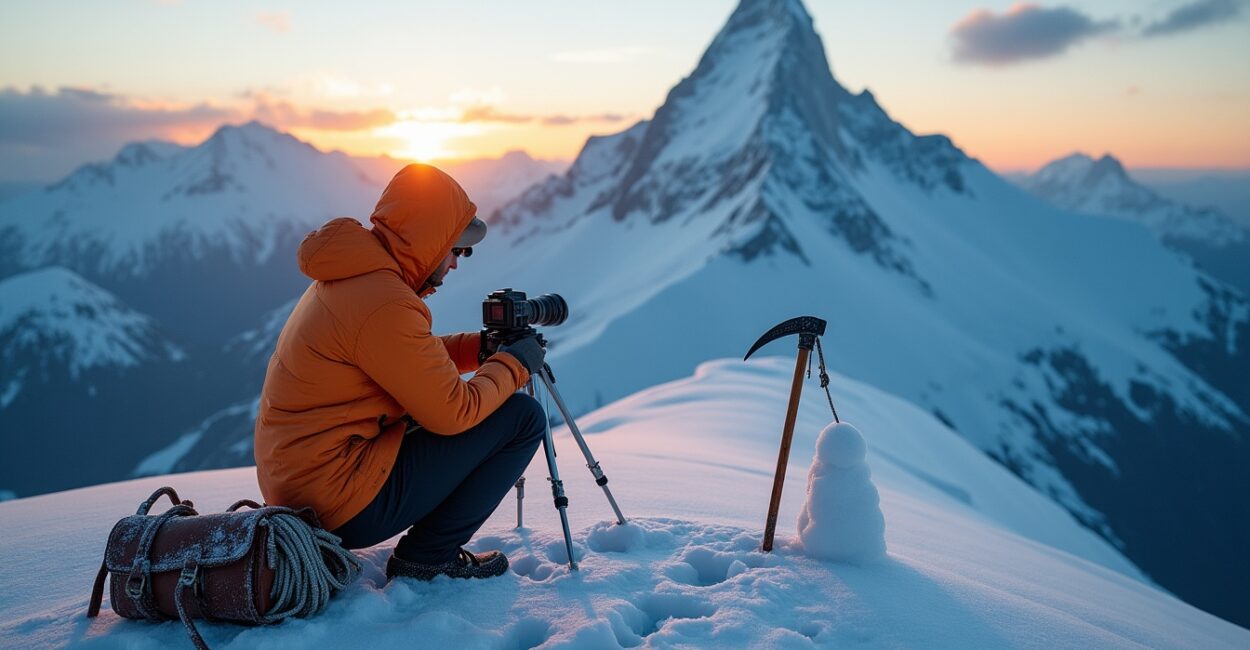
Montblanc photography captures the raw, high-altitude drama of the Alps—light, ice, and human scale converging into unforgettable frames. If you crave towering ridgelines and glacier textures, this guide shows how to shoot Montblanc photography with purpose and emotion.
Today, Montblanc photography is trending for 2025: dusk shoots from Aiguille du Midi, high-contrast alpine panoramas, and fresh post-processing styles that favor clarity and mood. This article explores practical techniques, ideal locations, gear choices, composition tips, and ethical considerations for mountain imagery.
Read on to discover actionable plans for shooting Montblanc photography—when to go, what to pack, how to compose at golden and blue hours, and which spots deliver cinematic contrast. You’ll leave with a clear workflow to make images that resonate.
Why Montblanc Photography Matters Now
Alpine Storytelling and Visual Impact
Montblanc photography connects landscape, climate, and human curiosity in a single frame. Images from Mont Blanc tell stories about scale, geology, and adventure, resonating on social feeds and galleries alike.
Photographers use high-contrast light, glacier textures, and ridge silhouettes to create emotional pulls. These images are ideal for Discover-worthy visual narratives and long-form portfolio features.
Trends Shaping Alpine Image-making
In 2025, Montblanc photography trends emphasize dusk exposures, mood-driven post-processing, and cinematic framing. Photographers are favoring single-exposure clarity over heavy composites for authenticity.
Expect more editorial-style alpine sessions, responsible tourism messaging, and hybrid shoots that combine wide-angle landscapes with telephoto compressed details of the massif and glacier faces.
Best Times and Locations for Dramatic Shots
Prime Windows: Golden, Blue, and Dusk
- Shoot at dusk on Aiguille du Midi for high-contrast alpine silhouettes and deep shadows.
- Use golden hour for warm ridge highlights and soft glacier reflections.
- Capture blue hour to emphasize cool tones and illuminated mountain refuges.
- Midday can work for crisp detail and textures—use polarizers and shade control.
Timing determines mood in Montblanc photography. Dusk compresses light and shadow, producing dramatic contrast that feels cinematic and immediate.
Top Vantage Points and Access Tips
Aiguille du Midi offers aerial perspectives, dramatic ridgelines, and quick access to sunset-facing exposures. Take the cable car early to secure a prime position for dusk shooting.
Other strong spots include Pointe Helbronner, the Mer de Glace valley, and viewpoints around Chamonix. Each offers a mix of glacier detail, summit scale, and compositional variety.

Gear, Settings, and Field Workflow
Essential Equipment Checklist
For reliable Montblanc photography, bring a sturdy tripod, wide and tele lenses, ND/grad filters, and weather-sealed bodies. Backup batteries and memory cards are crucial at altitude.
Microfiber cloths and protective covers shield gear from wind-driven snow and condensation, enabling longer dusk sessions without equipment failures.
Exposure, Focus, and Contrast Control
Use manual exposure to tame high-contrast scenes; bracket when highlights and shadows exceed sensor range. Select focus stacks for extreme foreground-to-background sharpness when needed.
In-camera histogram checks help avoid clipped highlights on snow. For dusk, expose for midtones and recover shadows carefully in raw processing to preserve mood.
Composition Strategies That Elevate Montblanc Photography
Framing for Scale, Texture, and Mood
Lead with compositional anchors: ridgelines, crevasses, or climbers to convey scale. Use foreground elements like boulders and ice patterns to add depth in Montblanc photography.
Symmetry and negative space both work—choose based on emotional tone. Tight telephoto frames emphasize texture, while wide vistas capture monumental drama.
Color, Contrast, and Storytelling Choices
Aim for tonal separation between sky, rock, and glacier. High-contrast dusk shots often benefit from cool shadows and slightly warmed highlights to emulate human perception.
In storytelling shots, include human presence or gear to anchor the narrative. Emotional resonance grows when viewers relate to scale or the implied effort of alpine travel.

Post-processing: Finishing Montblanc Photography for Discover
Raw Workflow and Color Grading
Start in raw: correct exposure, recover highlights, and refine white balance. Subtle clarity and texture boosts reveal glacier detail without creating artifacts.
For Discover and social placement, craft a signature grade—balanced contrast, restrained saturation, and selective sharpening to preserve natural mountain atmosphere.
Sharpening, Noise, and Export Settings
Apply localized sharpening to ridge lines and textures, while using luminance reduction for shadow noise. Export sRGB JPGs sized for mobile-first delivery to maximize Discover visibility.
Include minimal metadata and accessible captions referencing location, elevation, and technique to boost EEAT and user engagement.
Ethics, Safety, and Responsible Montblanc Photography
Leave No Trace and Alpine Safety
Montblanc photography demands respect for fragile ecosystems and mountaineering safety. Stay on marked routes, pack out waste, and minimize disturbance to wildlife and vegetation.
Hire guides when necessary, carry avalanche gear in winter, and check weather forecasts. Responsible behavior protects future access and preserves authentic mountain scenes.
Attribution, Local Knowledge, and Cultural Sensitivity
Credit local guides, huts, and photographers when sharing images. Use accurate captions that reflect local place names and climbing routes to increase credibility.
Respect cultural sensitivities and avoid sensationalizing hazards. Ethical storytelling builds trust and supports sustainable alpine tourism.
Creative Projects and 2025 Trend Ideas
Shoot Concepts to Stand Out
Explore night-to-dusk timelapses, single-exposure high-contrast portraits on ridgelines, and minimalist glacier abstracts to diversify your Montblanc photography portfolio.
Combine environmental narratives with technical focus: document melting glacial features alongside intimate summit portraits to balance art and activism.
Collaboration, Exhibition, and Publishing Tips
Partner with local conservation groups, mountain guides, or magazines to amplify your Montblanc photography. Structured series perform well on Discover and editorial platforms.
Prepare captions with data—elevation, coordinates, and context—to meet EEAT standards and appeal to editors and grant committees.
Practical Comparison Table: Locations, Best Light, and Difficulty
| Location | Best Light | Access Difficulty | Signature Shot |
|---|---|---|---|
| Aiguille du Midi | Dusk / Blue Hour | Easy (cable car) | High-contrast ridgelines at sunset |
| Pointe Helbronner | Golden Hour | Moderate (lift + short hike) | Panoramic massif with glacier foreground |
| Mer de Glace | Midday for detail | Moderate (hike/rail) | Glacier textures and crevasse patterns |
Conclusion
Montblanc photography invites both technical discipline and poetic vision. From dusk on Aiguille du Midi to glacier-close textures, the massif offers endless opportunities for striking, discoverable imagery.
Use the gear, timing, composition, and ethical tips above to craft images that tell meaningful stories and perform well on Google Discover. Return often, refine your approach, and let the mountain shape your photographic voice.
Frequently Asked Questions
What Makes Montblanc Photography Unique Compared to Other Mountain Photography?
Montblanc photography combines extreme altitude, dramatic glacial features, and iconic European alpine culture, producing images that feel monumental and intimate. The massif’s scale, variable light, and accessible vantage points like Aiguille du Midi let photographers capture contrasts and human narratives rarely matched by other ranges.
When is the Best Time to Shoot High-contrast Montblanc Photography?
Dusk and blue hour are prime for high-contrast Montblanc photography because the sinking sun sculpts ridgelines and deepens shadows. Golden hour yields warm highlights on snow and rock, while midday can show glacier texture—each window offers distinct moods for different storytelling goals.
Which Lenses and Camera Settings Work Best for Montblanc Photography?
Use a wide-angle for sweeping vistas and a tele for compressed summit details; prime lenses provide sharpness and low-light advantage. Manual exposure, bracketing, and focus stacking deliver the dynamic range and depth needed for cinematic Montblanc photography, especially at dusk.
How Can I Shoot Responsibly and Safely Around Mont Blanc?
Prioritize safety by checking weather, hiring guides when uncertain, and carrying avalanche and altitude gear. Follow marked trails, minimize environmental impact, and respect local regulations—responsible behavior protects ecosystems and ensures continued access for photographers.
What Post-processing Tips Make Montblanc Photos Discover-ready?
Process raws with careful highlight recovery, selective clarity, and balanced color grading. Export mobile-optimized sRGB files with clear captions and location details. Authentic edits that preserve texture and mood perform best on Discover and engender trust through EEAT principles.
Sources: National Geographic on glaciers, Météo-France.