

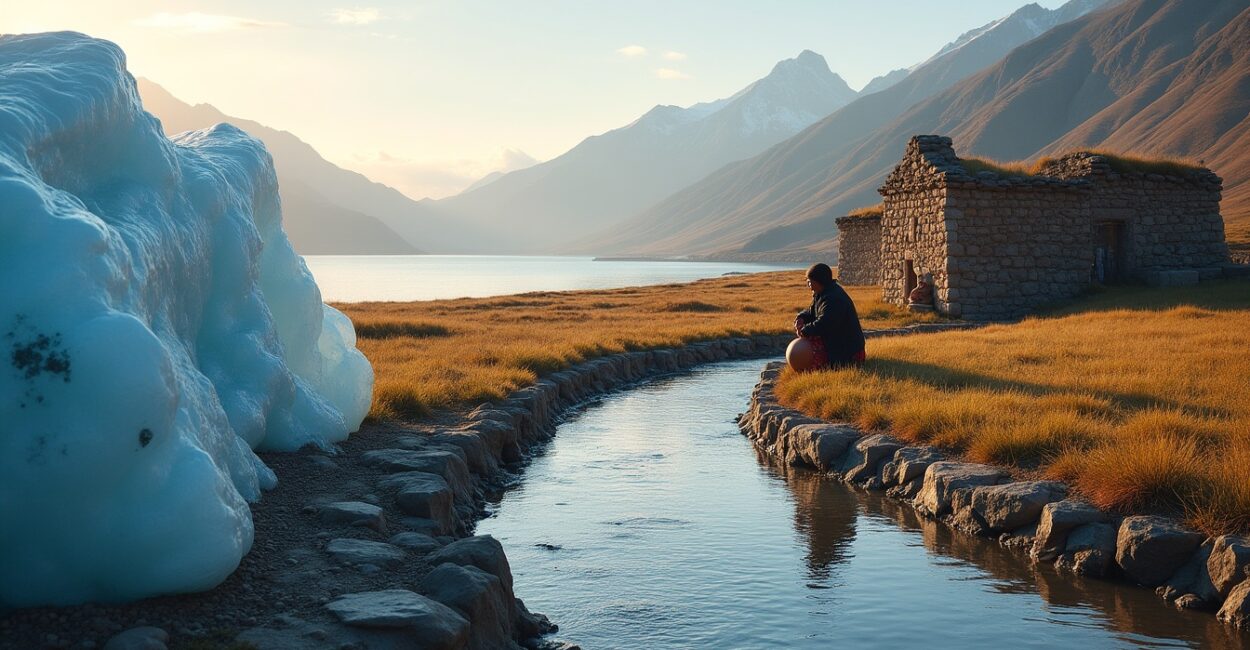
Peru landscapes reveal dramatic contrasts: soaring Andean peaks, misty cloud forests, and mirror-flat altiplano lakes. This article explains what Peru landscapes are, why they matter for climate and tourism, and how 2025 reveals new shifts across Machu Picchu, Colca Canyon and Lake Titicaca.
As climate change accelerates and visitor numbers rebound, Peru landscapes face visible transformations—glacier retreat, changing vegetation, and tourism pressures. You’ll find clear examples, practical tips for responsible travel, and authoritative sources to understand these shifts.
Andes and Mountain Ecosystems: High-altitude Change
High peaks and puna grasslands frame the Andes, where Peru landscapes shift with melting glaciers, altered rainfall and biodiversity stress. Glacial loss affects downstream water, farming and cultural sites across communities.
Glacier Retreat and Water Security
Glaciers above 4,500 meters feed rivers that sustain cities and farms; reduced ice means seasonal shortages and rare summer flooding. Local communities adapt with water management and early warning strategies to protect crops and homes.
Alpine Biodiversity and Ecosystem Services
Alpine wetlands, tropical montane forests and páramo-like grasslands support endemic species and carbon storage. Conservation of these highland habitats is critical to preserve pollinators, medicinal plants and shepherding livelihoods.
Machu Picchu and the Sacred Valley: Heritage Under Pressure
Machu Picchu sits at the intersection of tourism demand and fragile cloud-forest ecosystems, making it a focal point for how Peru landscapes respond to human impact. Changes in visitor flow and microclimates influence trail erosion and vegetation patterns.
Managing Overtourism — Practical Measures
- Limit daily permits and stagger entry times
- Invest in sustainable transport and trails
- Educate visitors on cultural sensitivity
- Support local guides and community tourism
Policies now balance access with preservation: ticketing windows, stricter trail routes, and local stewardship programs are reshaping tourism practices around the citadel.
Microclimate and Cloud Forest Shifts
Cloud forests above the site are sensitive to humidity and temperature shifts, altering epiphyte cover and bird habitats. Small climate changes ripple through pollination networks and archaeological preservation efforts.
Colca Canyon: Erosion, Agriculture and Andean Life
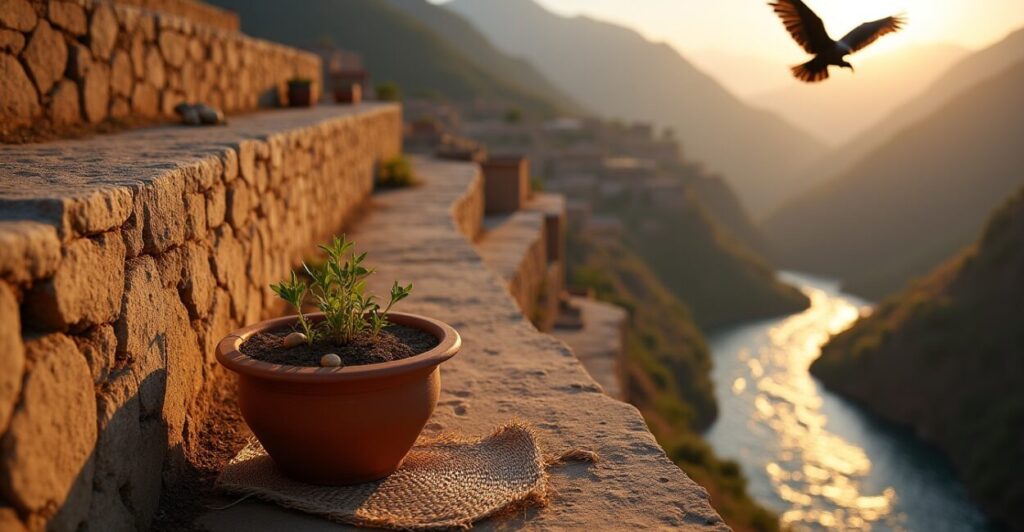
Colca Canyon illustrates how steep topography and traditional agriculture interact within Peru landscapes. Terrace farming, condor habitats and seasonal river flow show the canyon’s dynamic balance.
Soil Stability and Terrace Resilience
Ancient terraces buffer erosion but face intensified rainfall and landslide risk. Restoration projects and soil conservation techniques protect crops and maintain cultural landscapes for future generations.
Community Adaptation and Sustainable Tourism
Local towns blend trekking, cultural exchanges and homestays to diversify incomes while promoting lower-impact visitor experiences. Community-led guides emphasize conservation and cultural continuity.
Lake Titicaca: Water Levels, Reeds and Island Life
Lake Titicaca reflects climate signals across Peru landscapes: shifting water levels, invasive species challenges and the evolving lives of Uros and shoreline communities. The lake is both ecosystem and cultural heart.
Hydrology and Livelihoods
Reduced glacier melt and increased evaporation alter lake levels, impacting fishing, reed harvesting and transport. Communities adapt with fisheries management and restored wetlands to support biodiversity.
Conservation Actions and Indigenous Knowledge
Traditional practices—floating reed cultivation and sacred stewardship—inform biodiversity protection. Collaboration between scientists and indigenous leaders strengthens resilience strategies for shorelines.
Biodiversity Hotspots and Conservation Corridors
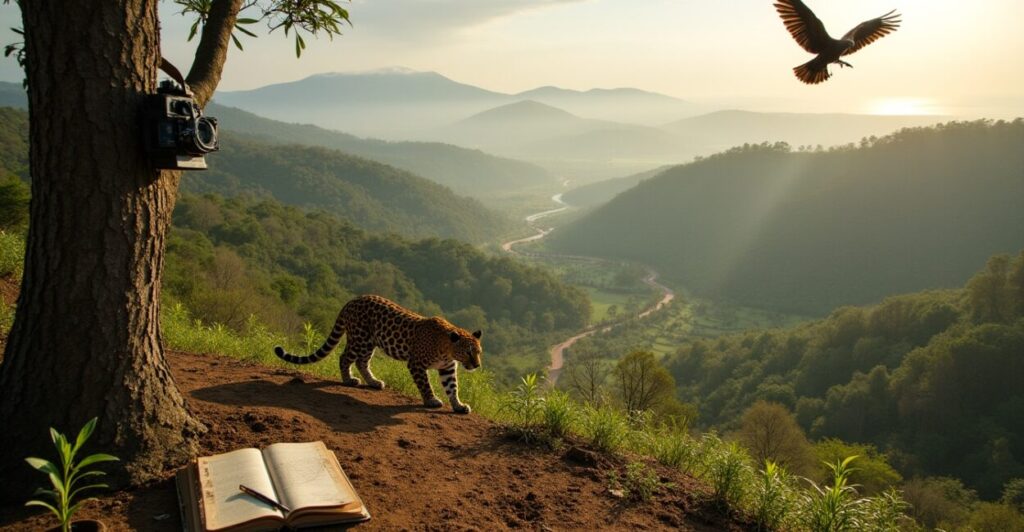
From Amazon foothills to coastal deserts, Peru landscapes contain biodiversity corridors that link habitats and species. Protecting these corridors is essential to maintain migration routes, gene flow and resilience.
Connecting Habitats for Wildlife Movement
Ecological corridors reduce fragmentation, allowing species to track shifting climates. Reforestation, protected-area expansion, and agroecology create stepping stones across the landscape.
Restoration Projects and Community Science
Local restoration projects rehabilitate degraded land and monitor species recovery. Citizen science programs empower residents to record changes and advocate for evidence-based conservation.
Tourism Trends and Responsible Travel in 2025
Tourism recovery after global slowdowns has intensified visitation hotspots, changing how Peru landscapes are experienced. Demand for authentic, low-impact travel is rising among conscious travelers.
Designing Low-impact Itineraries
- Research and choose certified eco-friendly operators
- Travel in shoulder seasons to reduce peak pressure
- Use public transit or shared transport where possible
- Respect local guidelines and cultural norms
- Contribute to community-run initiatives and fees
Smart itineraries reduce wear on trails, support local economies and foster cultural exchange. Travelers who prioritize stewardship help maintain the very landscapes they visit.
Economic Benefits and Local Empowerment
Sustainable tourism returns income to host communities through homestays, craft markets and guide services. Equitable revenue sharing creates incentives for habitat protection and cultural preservation.
Practical Guidance: Visit Responsibly and Observe Changes
Seeing shifts in Peru landscapes can be transformative—witnessing glacier retreat or fragile wetlands compels action. Responsible visitors help document change and support conservation on the ground.
What to Pack and How to Prepare
Bring layered clothing for variable mountain weather, reusable water bottles, and a compact first-aid kit. Prepare for altitude and respect rest days to acclimatize.
How to Support Resilience on Arrival
Donate to local conservation funds, hire licensed local guides, and choose lodging that follows sustainable practices. Small choices amplify protection for ecosystems and cultural heritage.
Conclusion
Peru landscapes are living textbooks of climate change and cultural resilience—Machu Picchu’s trails, Colca Canyon terraces and Lake Titicaca’s shores tell urgent stories. By traveling thoughtfully and supporting local conservation, we can witness and protect these shifting places.
Return to the opening image of an Andean sunrise: your choices as a visitor or reader can help ensure that future sunrises reveal thriving landscapes, not losses. Act with curiosity and care.
Faq
How is Climate Change Visibly Affecting Peru Landscapes Like Machu Picchu and Lake Titicaca?
Climate change alters precipitation patterns, raises average temperatures, and accelerates glacier melt affecting water supply and microclimates. Machu Picchu faces erosion and shifting cloud forest conditions, while Lake Titicaca experiences fluctuating water levels and ecological stress that impact fisheries, reeds and local livelihoods.
What Tourism Measures Are in Place to Protect Vulnerable Peru Landscapes in 2025?
Peru has implemented permit limits, timed entry systems, trail maintenance funding and community-based tourism models. Authorities work with local guides and conservation groups to limit overtourism, restore trails, and divert visitor flows to reduce pressure on archaeological and natural sites.
How Can Travelers Reduce Their Impact When Visiting Peru Landscapes?
Travelers should choose responsible operators, avoid single-use plastics, stick to marked trails, respect cultural norms, and support local businesses. Prioritizing off-peak travel, local guides, and conservation fees helps reduce ecological footprint and boosts community resilience.
Are There Reliable Data Sources to Learn About Environmental Changes in Peru Landscapes?
Yes. International bodies and research institutions publish data on glacier retreat, hydrology and biodiversity. Trusted sources include UNESCO for cultural-site monitoring and climate assessments from scientific institutions tracking Andean ecosystems and lake health.
How Can I Support Conservation Efforts for Peru Landscapes from Afar?
Support reputable NGOs and community projects that fund restoration, education and sustainable livelihoods. Donate to monitoring programs, adopt ethical purchase practices for Peruvian crafts, and amplify local voices advocating for policy and habitat protection.
Sources: UNESCO World Heritage Centre, IPCC.