


The Okavango Delta unfurls like a living map of water, reed and wildlife — a place where mokoro glides whisper secrets and night canoe safaris feel like time travel. This extraordinary wetland delivers close encounters with elephants, hippos and shimmering channels.
As one of Africa’s most unique ecosystems, the Okavango Delta matters for conservation, culture and adventure tourism. This guide explores mokoro rides in Moremi, night canoe safaris, Delta camps and practical options for visiting.
Read on to discover authentic experiences, recommended camps, seasonal tips and sustainable practices to make your Okavango Delta trip unforgettable and responsible.
Why the Okavango Delta Matters for Travelers and Conservation
The Okavango Delta is a vast inland delta in Botswana, a biodiversity hotspot supporting wetlands, floodplains and rare wildlife. Its mosaic of water channels, reedbeds and islands creates cinematic safari moments.
Ecological Significance
Floodplain dynamics and seasonal inundation nourish lush habitats, attracting wildebeest, buffalo, lions and diverse aquatic life. Wetlands here regulate water and sustain biodiversity across Botswana.
Conservation initiatives protect fragile habitats and migratory corridors, linking Moremi Game Reserve and surrounding wildlife areas. Local research and park management work to reduce human-wildlife conflict.
Cultural and Community Value
Indigenous knowledge, mokoro artisans and community-run camps anchor cultural tourism. Local guides share river lore, traditional fishing techniques and seasonal stories.
Community-run concessions reinvest earnings into schools and healthcare, blending tourism income with stewardship of the Delta’s river systems and wildlife heritage.
Top Okavango Delta Experiences — Mokoro Rides, Night Canoes and Moremi
Mokoro rides in Moremi offer intimate access to reed-fringed channels, while night canoe safaris reveal hippos and nocturnal birds under starlight. These experiences epitomize the Delta’s magic.
Mokoro in Moremi
Polers guide shallow dugout canoes through winding waterways, bringing you within whispering distance of kingfishers and herons. The pace invites deep observation and quiet joy.
Expect close wildlife sightings from low vantage points, photographic opportunities and a sense of oneness with aquatic grasslands and papyrus-lined channels of Moremi.
Night Canoe Safaris and River Wildlife
Night canoe safaris reveal hippo groans, crocodile silhouettes and nocturnal birdlife. Guides use soft lights and local knowledge to keep encounters safe and respectful.
These nocturnal trips heighten senses: the smell of wet earth, the hush of reeds, and the glow of stars mirrored in glassy channels. It’s profoundly cinematic.
- Guided mokoro excursions with experienced polers
- Night canoe safaris led by licensed guides
- Half-day boat cruises and wildlife photography opportunities
Seasonal Guide — When to Visit the Okavango Delta
Seasonality transforms the Delta: dry-season wildlife aggregations contrast with wet-season waterways and breeding activity. Timing shapes experiences, accessibility and photography.
High-water Season (june–september)
Peak water levels create expansive channels ideal for mokoro and boat safaris. Wildlife concentrates on islands and riverbanks, offering better big-game viewing.
Cool, dry days are comfortable for drives and walks; clear skies enhance photogenic landscapes and golden light at dawn and dusk for powerful imagery.
Green Season (november–march)
The wet, green season brings newborns, migratory birds and lush vegetation. Accessibility to some camps may require light aircraft and 4×4 transfers across muddy tracks.
Expect dramatic skies, intimate birding and fewer tourists. Rain can enrich colors and create dramatic, atmospheric photography opportunities.
Where to Stay: Delta Camps, Lodges and Authentic Concessions
The Okavango Delta offers a range of accommodations from fly-in luxury camps to rustic community-run lodges. Delta camps blend riverside immersion with expert guiding and low impact design.
Luxe Tented Camps and Private Concessions
High-end camps provide guided mokoro trips, night canoe safaris, bush walks, and personalized itineraries. Expect gourmet meals and expert ranger-led game drives.
Many luxury camps operate in private concessions, granting exclusive access to wildlife-rich channels and seasonal floodplains, enhancing privacy and wildlife encounters.
Community Camps and Mid-range Lodges
Community-run camps offer cultural immersion, local guiding and direct community benefits. These stays connect guests to livelihoods and conservation initiatives.
Mid-range lodges provide comfortable amenities and knowledgeable guides, often combining mokoro excursions with walking safaris and boat cruises for balanced experiences.
- Botswana Tourism — official travel guidance and camp recommendations
- Private Delta camps with mokoro and night canoe options
- Community concessions supporting conservation and local employment
| Camp Type | Typical Activities | Best Season |
|---|---|---|
| Luxury Fly-in Camp | Mokoro, night canoe, game drives | June–September |
| Community Lodge | Cultural tours, boat cruises, guided walks | November–March |
| Mobile Safari Camp | Walking safaris, photographic hides | Year-round (season-dependent areas) |
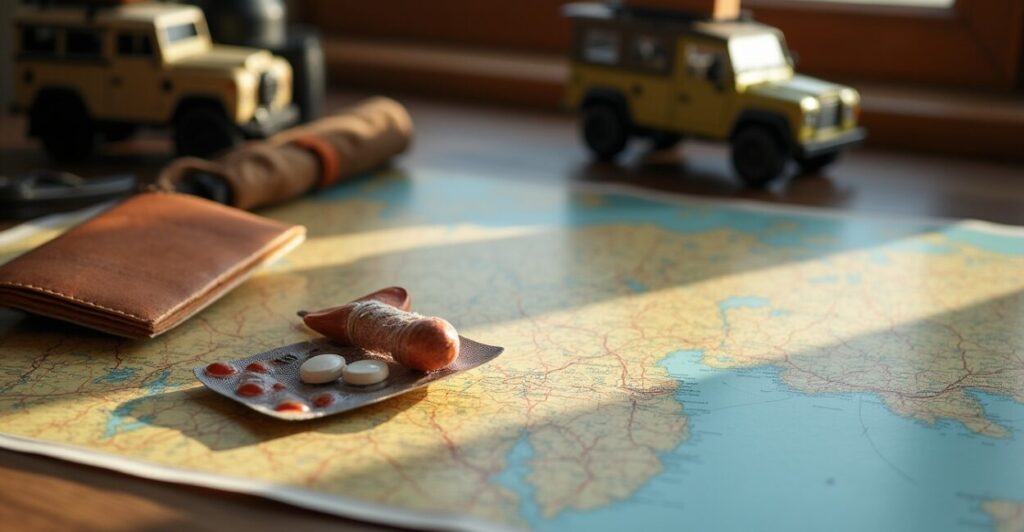
Getting There and Practical Logistics for the Okavango Delta
Most visitors fly into Maun and transfer by light aircraft to Delta camps, or drive via 4×4 during accessible seasons. Planning ensures smooth mokoro and night canoe bookings.
Flights and Transfers
Charter flights from Maun deliver dramatic aerial views of the delta mosaic. Ground transfers include 4×4 crossings and boat shuttles depending on camp location.
Book flights and transfers through your lodge to coordinate arrival times and baggage limits, avoiding last-minute logistics stress during peak season.
Health, Permits and Packing
Bring malaria prophylaxis, sun protection and lightweight rain gear. Check immunization requirements and pack binoculars, waterproof camera protection and sturdy sandals.
Permits and conservation fees are typically included by camps; confirm park access, mokoro safety briefings and luggage restrictions before travel.
- Book space at your chosen Delta camp in advance during high season.
- Arrange charter flights from Maun through your lodge.
- Confirm baggage limits and pack essentials for mokoro trips.
- Carry malaria prophylaxis and travel insurance that covers bush activities.
- Coordinate arrival times to sync with camp transfers and guides.
Sustainability, Impact and Supporting Local Communities
Responsible travel in the Okavango Delta prioritizes low-impact activities, wildlife-safe behavior and community benefit. Sustainable camps minimize footprints on floodplain ecology.
Responsible Tour Choices
Choose operators with community partnerships, anti-poaching support and clear waste management practices. Small-group mokoro trips reduce ecosystem strain.
Ask about staff training programs and how lodge revenue supports schools, healthcare or habitat restoration in surrounding villages and concessions.
How Visitors Can Help
Respect wildlife distances, follow guide instructions and avoid single-use plastics. Tip local staff fairly and purchase locally made crafts to sustain livelihoods.
Share positive reviews of community camps and support conservation charities. Every responsible visit helps preserve waterways, hippo corridors and bird breeding grounds.
Photography, Safety and Memorable Tips for Exploring the Delta
Photographing the Okavango Delta rewards patience: low sun, reflective channels and close wildlife encounters create dramatic shots. Safety and etiquette enhance experiences for everyone.
Photography Tips
Use a zoom lens for wildlife and a wide-angle for landscapes; protect gear from spray. Shoot at golden hour and embrace reflections in glassy channels.
Stabilize in mokoro with low, steady movements. Respect animals’ space—guides will advise when to stop or reposition for safety and better light.
Safety and Etiquette
Follow guide instructions around hippos and crocodiles; avoid solo off-track walking. Wear neutral clothing and keep noise minimal during mokoro trips.
Carry reusable water, insect repellent and a headlamp for night transfers. Conserve battery power for essential communications in remote areas.
Conclusion
The Okavango Delta is an emotional, sensory journey: from tranquil mokoro rides in Moremi to the thrill of night canoe safaris. Thoughtful planning, sustainable choices and local partnerships deepen every visit.
Return home with vivid images, newfound respect for wetland ecosystems and the knowledge that your responsible travel supports both wildlife and community resilience.
Faq
What is the Best Time to Visit the Okavango Delta for Mokoro Rides and Wildlife Viewing?
The best time to visit the Okavango Delta for mokoro rides and excellent wildlife viewing is typically June through September. High water levels create extensive channels for mokoro and boat travel, while cooler, dry conditions concentrate game near islands and riverbanks. This period offers clear skies, comfortable daytime temperatures, and optimal photographic light at dawn and dusk for dramatic wildlife and landscape images.
Are Night Canoe Safaris Safe in the Okavango Delta and What Should I Expect?
Night canoe safaris in the Okavango Delta are generally safe when led by experienced, licensed guides who know local hippo and crocodile behavior. Expect quiet, close encounters with nocturnal birds and amphibians, soft-lit channels, and the atmospheric chorus of wildlife. Guides use minimal lighting, maintain safe distances from large animals, and brief guests beforehand on protocols to ensure both safety and respectful wildlife viewing.
How Do I Choose a Delta Camp That Supports Local Communities and Conservation?
Choose a Delta camp that demonstrates transparent community partnerships, employs local staff, and supports conservation initiatives. Look for operators who share revenue with villages, fund education or healthcare, and practice sustainable waste and water management. Reviews, direct inquiries to lodges, and information from national tourism bodies can confirm a camp’s commitments to social impact and environmental stewardship in the Okavango Delta region.
What Should I Pack for a Mokoro Trip and Night Canoe Safari in the Okavango?
Pack lightweight, neutral-colored clothing, sun protection, insect repellent, waterproof camera protection, and sturdy sandals. Include malaria prophylaxis, a headlamp for night transfers, binoculars and travel insurance. Also bring a reusable water bottle, quick-dry garments, a small daypack, and copies of travel documents to ensure comfort and preparedness during mokoro and night canoe activities.
How Do I Get to the Okavango Delta and What Transit Options Are Best?
Most visitors fly into Maun and take charter flights to Delta camps, offering scenic aerial views and efficient access. Ground transfers by 4×4 or boat are alternatives depending on season and camp location. Coordinate flights, luggage limits, and transfer times through your lodge to ensure smooth arrivals and reliable transfers across channels and floodplains.