

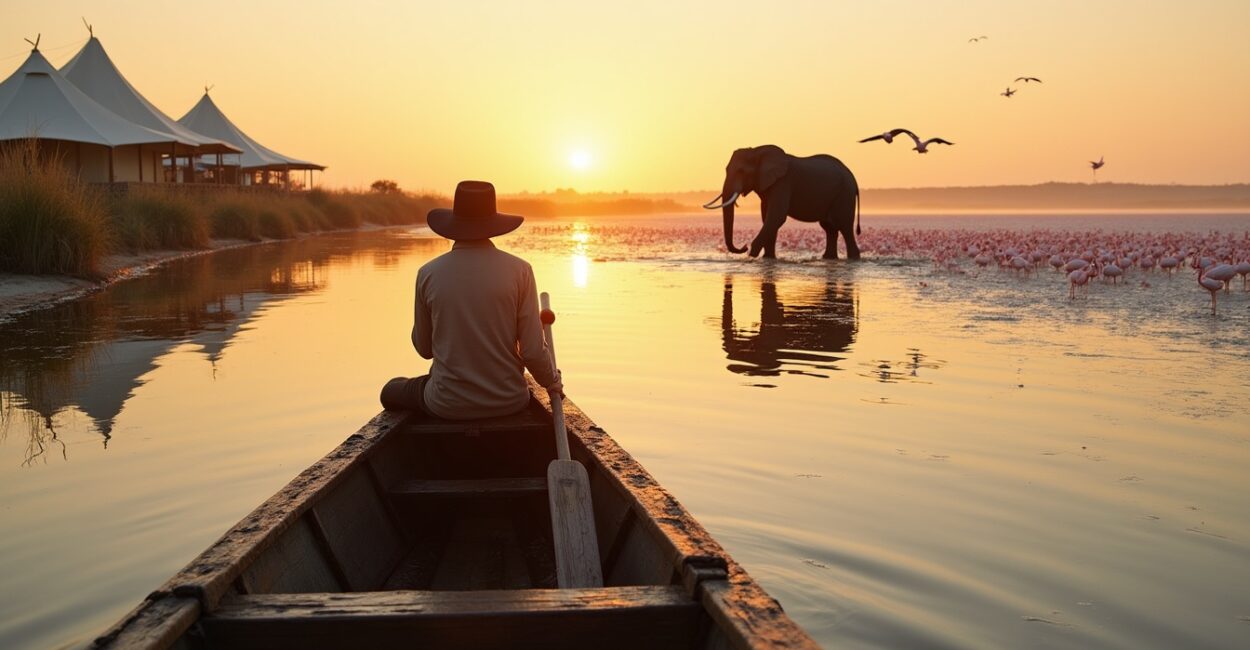
Imagine gliding silently in a mokoro as sunrise paints the Okavango Delta gold—Botswana landscapes unfold like a living, breathing canvas that pulls you into a new kind of safari. This is where water, salt pans and sky meet to create travel moments that feel both intimate and epic.
As travelers in 2025 seek deeper immersion, Botswana landscapes are driving trends toward slow, sensory safaris, conservation-led stays, and tech-light experiences. This article explains what’s changing, why it matters, and how to experience these wild places responsibly.
Why Botswana Landscapes Are Reshaping Modern Safaris
Botswana landscapes—wetlands, salt pans and open savanna—offer diversity rarely found in one country. Travelers now seek intimate wildlife encounters, birdlife immersion and photographic storytelling rather than checklist safaris.
Conservation priorities, community partnerships and exclusive camps are steering visitors toward deeper ecological understanding and longer stays in places like the Okavango Delta and Makgadikgadi pans.
Conservation as Core Travel Value
Operators integrate habitat protection, anti-poaching efforts and community benefits into itineraries, creating meaningful impact beyond sightings. Guests leave knowing they contributed to long-term preservation.
Conservation-focused stays also enhance wildlife viewing—healthier ecosystems mean richer encounters with elephants, lions and abundant birdlife across floodplains and dry pans.
Shift from Quantity to Quality
Travelers prefer fewer days with richer experiences: guided walks, night safaris and mokoro rides offer intimacy with wildlife and landscape. This trend favors specialist camps.
Expect fewer vehicles per sighting and tailor-made excursions that highlight seasonal changes, from flood pulses in the Delta to zebra migration across salt pans.
Iconic Regions: Okavango Delta and Makgadikgadi Pans
The Okavango Delta’s waterways and the white expanse of the Makgadikgadi pans showcase contrasts that define Botswana landscapes. Both regions create unique, immersive safari formats.
From mokoro excursions to starlit salt-flat walks, these landscapes deliver sensory-rich travel that’s increasingly sought after in 2025.
Okavango Delta: Water, Wildlife and Mokoro Rides
The Delta’s seasonal floods transform grasslands into a maze of channels, supporting hippos, predators and countless waterbirds. A mokoro ride brings a hushed, close-up encounter with wetlands.
Camps here emphasize low-impact design, locally trained guides and experiential activities like birdwatching and photographic safaris focused on light and reflections.
Makgadikgadi Pans: Salt Flats and Surreal Nights
When the pans are dry, they’re a shimmering horizon for walking safaris and bicycle trips; during wet seasons, they attract vast zebra and flamingo gatherings. The open sky creates unforgettable stargazing nights.
Guests feel the scale of Botswana landscapes—endless salt, distant dunes, and a sense of ancient terrain that reshapes perspective.
Immersive Safari Formats Redefining Travel
Immersive safaris combine walking, boating and cultural exchange to go beyond vehicle-based viewing. They’re about tempo: slow mornings, active afternoons and reflective evenings under the stars.
These formats use local expertise—San trackers, village guides and conservation rangers—to deepen understanding of ecology and human history across Botswana landscapes.
Walking Safaris and Tracking
On foot, small-group walks reveal tracks, plant stories and microhabitats invisible from a vehicle. Guides teach you to read the land and appreciate subtle behaviors up close.
Walking safaris require minimal gear and yield maximum learning—quiet observation often leads to surprising wildlife encounters and personal connection with place.
Water-based and Night Experiences
Mokoro rides and boat trips reveal the Delta’s pulse: reeds whispering, fish eagles cry and flooded grasslands teeming with life. Night drives reveal a different cast of nocturnal animals.
These experiences emphasize sensory immersion—sound, smell and reflection—making Botswana landscapes feel alive in new ways.
Practical Planning: When to Go and What to Expect
Timing governs how you experience Botswana landscapes: flood season, dry season and migration windows each offer distinct wildlife and landscapes. Choose dates to match the experience you want.
Logistics favor small planes, transfer times and camp pacing—expect fewer crowds but premium costs due to low-density tourism models that support conservation.
Seasonal Highlights
Flood season (June–August) lights up the Delta; dry season concentrates animals at waterholes. Makgadikgadi’s spectacle varies—wet seasons draw birds and zebra, dry seasons invite desert exploration.
Plan around these rhythms to maximize sightings and to enjoy the preferred activity mix—mokoro paddles, walks or pan treks.
Packing and Preparation
Bring layers for cool mornings, insect repellent, good walking shoes and a quality camera. Travel light—camps often have luggage limits and emphasize low-impact travel.
Vaccinations, travel insurance and flexibility with flight schedules are essential when accessing remote Botswana landscapes and private concessions.
Responsible Travel and Community Engagement
Sustainable tourism ensures Botswana landscapes remain vibrant. Ethical operators prioritize community-led projects, equitable benefits, and respect for local culture and land stewardship.
Visitors increasingly expect transparency about conservation fees, employment practices and how their trip supports local livelihoods and wildlife protection.
Community Partnerships
Camps that hire locally, support schools and invest in healthcare create tangible benefits. Guests can visit community projects to see impact firsthand and learn local traditions.
Such engagement deepens the travel experience and helps protect the habitats that define Botswana landscapes for future generations.
Minimal Footprint Practices
Choose camps that reduce waste, use renewable energy and maintain low vehicle densities. These practices preserve wildlife behavior and landscape integrity.
Small travel choices—reusable bottles, respectful photography—compound into big benefits for fragile ecosystems like the Delta and pans.
How Immersive Safaris Translate Into New Travel Trends
Immersive safaris are shaping five clear trends: slow travel, micro-adventures, conservation tourism, photography-focused trips, and tech-light escapes. Botswana landscapes are the stage for each.
These trends reflect traveler desires for meaning, authentic connection and experiences that leave a positive footprint on place and people.
Trend: Slow, Sensory Travel
Longer stays and fewer activities per day allow deeper observation—sunrise birdwatching, afternoon siestas and evening campfire storytelling become the rhythm of travel.
Slow travel fosters connection with seasonality and supports local economies through sustained, intentional visits to communities around Botswana landscapes.
Trend: Tech-light and Mindful Tourism
Guests opt for digital detoxes—limited connectivity and guided mindfulness activities—to fully inhabit the sensory world of the Delta and pans.
Mindful tourism heightens appreciation for subtle landscape changes and wildlife behaviors, making each sighting more rewarding.
Top-value Comparisons for 2025 Itineraries
Choosing the right itinerary depends on priorities: wildlife density, landscape variety, seasonal spectacles or cultural exchange. The table below helps compare typical offerings across prime regions.
| Region | Best season | Signature activity | Ideal traveler |
|---|---|---|---|
| Okavango Delta | Jun–Sep (flood) | Mokoro rides & boat safaris | Photographers, birders |
| Makgadikgadi pans | Mar–Apr (wet) / dry season | Pan walks & zebra viewing | Adventurers, stargazers |
| Kalahari | Year-round (best Apr–Oct) | Tracking & cultural visits | Walkers, culture seekers |
Booking Smart
Book with reputable operators who publish conservation contributions and community policies. Look for smaller guest capacities and authentically local guides.
Peak-season demand requires early planning—reserve flights and camp slots months in advance to secure preferred experiences.
Featured-snippet Step-by-step Plan
- Decide on season: flood or dry.
- Choose region: Delta, pans, or Kalahari.
- Select immersive activities: walking, mokoro, night drives.
- Book reputable, conservation-focused operators.
- Pack light, respect local customs and follow guide guidance.
Conclusion: the Emotional Promise of Botswana Landscapes
Botswana landscapes offer more than sightings—they promise transformation. From the mirrored waterways of the Okavango Delta to the endless salt of the Makgadikgadi pans, immersive safaris in 2025 invite travelers to slow down and witness wildness with reverence.
Return home carrying not just photos, but a deeper appreciation for ecosystems, communities and the fragile beauty that makes Botswana one of the world’s most compelling safari destinations.
Frequently Asked Questions
When is the Best Time to Visit Botswana Landscapes for Wildlife Viewing?
The optimal time depends on region: June–September highlights the Okavango Delta’s flood-driven activity with dense wildlife congregations, while Makgadikgadi pans offer unique spectacles during wet months. Dry season concentrates animals at waterholes, improving large-game sightings and photographic opportunities.
Are Immersive Safaris Suitable for First-time Safari Travelers?
Yes. Immersive safaris are accessible for newcomers who seek meaningful experiences rather than checklist viewing. Small-group walking, guided mokoro trips and expert guides provide safe, educational encounters while accommodating different fitness levels and comfort preferences.
How Do Conservation Fees and Community Contributions Work in Botswana Trips?
Responsible operators include conservation levies or transparently allocate portions of fees to anti-poaching, habitat restoration and local community projects. Ask providers for breakdowns—ethical camps publish how visitor spending supports conservation and community livelihoods.
What Should I Pack for a Multi-day Immersive Safari in Botswana?
Pack layered clothing for variable temperatures, sturdy walking shoes, insect repellent, binoculars, a quality camera, refillable water bottle and basic first-aid items. Keep luggage light—many camps limit baggage, and packing efficiently supports low-impact travel practices.
How Do I Choose a Reputable Operator for Experiencing Botswana Landscapes?
Select operators with verified conservation credentials, local employment practices, and clear environmental policies. Read independent reviews, ask about guide training and community partnerships, and prefer companies that limit vehicle numbers to reduce disturbance to wildlife.
References: Learn more from the Okavango Research Institute at okavangoinstitute.org and conservation resources at IUCN. Additional destination information is available via Botswana Tourism.