


The emerald curves of Tegalalang terraces call to travelers hungry for wonder, golden-hour photos, and the quiet thrill of standing above layered rice fields. Tegalalang terraces is where light, water and human craft turn slopes into living art.
Today, this iconic Bali spot blends traditional subak irrigation, Instagram-worthy viewpoints, and evolving local stalls like Warung Ibu. This guide shows where to frame drone-friendly vistas, sample sunset snacks, and respect community rhythms.
Why Tegalalang Terraces Captivate Photographers and Travelers
First Impressions and the Scenic Draw
Stepping onto a terrace path, you immediately feel the scale: terraces rolling like green waves. It’s easy to imagine ancient irrigation, cultural heritage, and endless photo angles.
The visual patterns, morning mist, and sunset glow make Tegalalang terraces an essential stop for landscape photographers, drone operators, and curious travelers chasing authentic Balinese life.
Cultural Context and Local Traditions
The subak irrigation system still feeds the fields, connecting farmers, rituals, and community life. Observing work rhythms reveals deep cultural continuity and care for the land.
Respectful visitors who learn about local customs find warmer welcomes. Small purchases at stalls like Warung Ibu support families maintaining these terraces.
Best Times, Lighting and Seasonal Tips
Timing the Magic Hours
Sunrise fills terraces with soft pastels; sunset adds warm gold and silhouettes. For dramatic shadows, aim for late afternoon when slopes reveal texture and depth.
Avoid mid-day harsh light that flattens contours. Early morning often offers mist and fewer crowds, ideal for meditative shots and quieter walks.
Weather and Seasonal Considerations
The wet season deepens greens and fills irrigation channels, giving reflective surfaces for better compositions. Dry months bring golden hues and easier walking on paths.
Check local forecasts and be flexible: a passing shower can clear haze and create rainbow moments over the terraces.
- Arrive early to secure a viewpoint and avoid crowds.
- Scout angles from the edge and descending paths for varied layers.
- Carry neutral density or polarizing filters for reflective water shots.
- Respect ropes and private plots—stay on designated paths.
- Purchase a local snack to support the community while you wait for light.
Drone-friendly Viewpoints and Legal Tips
Picking Drone Launch Spots
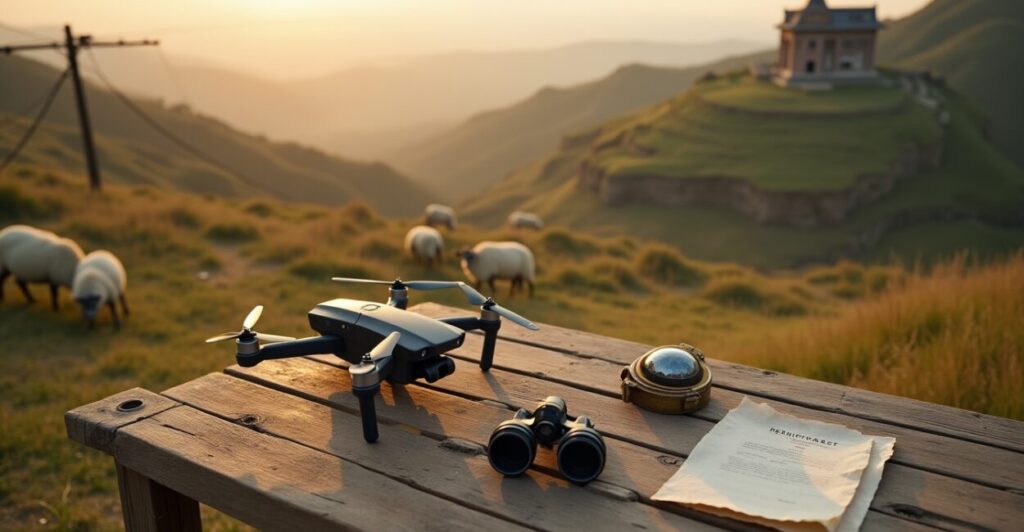
Select clear, open terraces away from village centers to minimize disturbance. Elevated ridgelines offer sweeping panoramas and smooth airflow for stable footage.
Prioritize safety: launch where you won’t cross power lines or surprise livestock. Aim for gentle winds and line-of-sight flights to stay compliant.
Permissions, Privacy and Community Respect
Confirm local rules—some areas require permits, and certain temples or homes are off-limits. Always ask permission before filming people or private property.
Engage with residents, explain your purpose, and offer to share final photos. Small acts of courtesy protect both your footage and local goodwill.
Where to Shoot: Viewpoints, Angles and a Quick Comparison Table
Signature Angles to Prioritize
Low-angle foregrounds with farmers or irrigation channels add human scale. Wide panoramas capture the terraces’ rhythm, while vertical crops focus on step repetition.
Look for reflections in water-filled plots at sunrise or sunset for dynamic foreground interest and mirrored color palettes.
Balancing Accessibility and Exclusivity
Some vantage points are a five-minute walk from parking, while others demand a steep downhill trek. Decide if you want ease or solitude when planning your visit.
Remote edges reward patience with unique compositions but require careful footing and respect for cultivated plots.
| Viewpoint | Best time | Access difficulty | Why visit |
|---|---|---|---|
| Main overlook near parking | Sunset | Easy | Panoramic shots, stalls nearby |
| Ridge path west | Sunrise | Moderate | Long shadows, quieter |
| Lower terraces by river | Golden hour | Challenging | Close-up terraces, reflections |

Taste and Moments: Sampling Warung Ibu and Local Stalls
What to Try at Warung Ibu
Warung Ibu serves home-style rice dishes, grilled fish, and aromatic sambals—simple, satisfying fuel after long walks through the terraces.
Order a plate to connect with local flavors. The warmth of shared benches often leads to authentic conversation with locals and fellow travelers.
Supporting Small Vendors and Ethical Choices
Buying from market stalls directly supports farming families. Choose seasonal snacks and avoid single-use plastics when possible for a lower footprint.
Small payments add up: a modest purchase helps maintain the terraces while giving you authentic culinary memories to pair with sunset shots.
- Try local kopi tubruk for an energizing, authentic drink.
- Bring cash for small purchases and bargaining-friendly interactions.
- Respect serving times; some stalls close during prayers or harvest.
Practical Logistics: Getting There, Fees and Accessibility
Transport and Parking Tips
Hire a local driver or scooter for the winding access roads. Parking near the main overlook is limited; arrive early during peak season to secure a spot.
Many visitors combine Tegalalang terraces with nearby Ubud attractions, making a half-day itinerary feasible for most travelers.
Entry Fees, Guided Tours and Supporting Preservation
Small entrance contributions often fund upkeep; confirm current fees at the gate. Guided walks offer historical context and deepen appreciation of subak systems.
Choose licensed guides and eco-conscious operators to ensure tourism benefits the community and preserves the terraces for future visitors.
Conclusion: Framing Your Tegalalang Terraces Moment
Tegalalang terraces is more than a postcard—it’s a living landscape shaped by craft, water, and community. Whether you aim for drone sweeps, intimate portraits of farmers, or a sunset plate at Warung Ibu, approach with curiosity and respect.
Return home with images and memories that honor the place: balanced compositions, gentle footprints, and gratitude for a landscape shaped by generations.
Frequently Asked Questions
Do I Need Permission to Fly a Drone over Tegalalang Terraces?
Drone regulations in Bali require you to follow national aviation rules and local restrictions; some places have village-level prohibitions or require prior permission. Always ask community leaders, avoid flying near temples and crowds, and secure necessary permits from local authorities or the Directorate General of Civil Aviation before filming.
What is the Best Time of Day to Photograph Tegalalang Terraces?
Golden hour—sunrise and sunset—offers the most dramatic light for terraces, enhancing textures and hues. Early morning provides mist and quieter paths, while late afternoon creates warm tones and long shadows, ideal for layered landscape compositions and reflective water shots.
Are There Entrance Fees or Conservation Contributions at the Terraces?
Many terraces request a small entrance fee or donation that supports maintenance and local projects. Fees vary seasonally and by viewpoint; carry cash and confirm current amounts at arrival. Paying helps preserve irrigation systems and supports farmers tending the paddies.
Can I Visit Warung Ibu for Dinner and Scenic Views?
Warung Ibu and similar stalls typically serve local meals around meal times and often stay open through sunset. Visiting during dinner can combine comforting food with views, but check hours in advance, support local vendors, and be mindful of seating limits during busy evenings.
How Can I Respect Local Customs While Visiting the Terraces?
Dress modestly when near temples, ask permission before photographing people, and follow designated paths to avoid trampling crops. Engage politely, purchase from local vendors, and heed signs or guidance from residents to ensure your visit respects community life and traditions.
References: For regulatory details see the Directorate General of Civil Aviation page hubud.dephub.go.id and Bali tourism updates at Balitourism Board.