

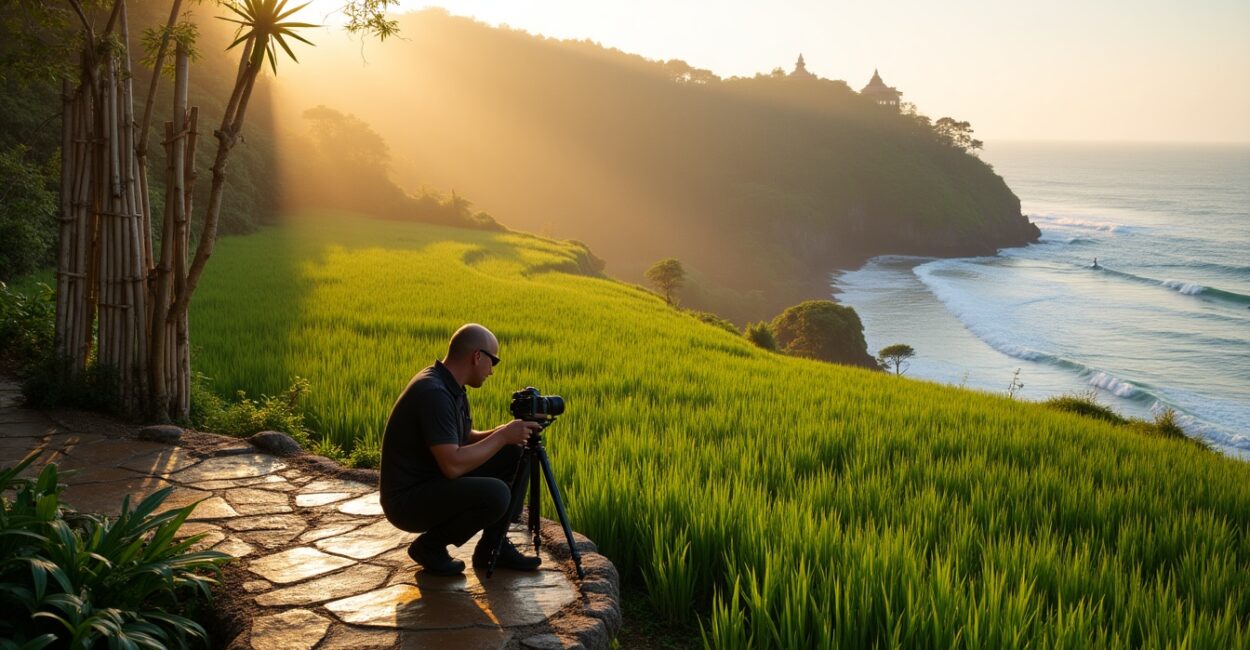
From emerald rice terraces to dramatic sea cliffs, Bali landscapes stir a deep creative hunger in every traveler and photographer. Discover fresh angles, rising 2025 spots like Tegalalang and Uluwatu, and immediate photo ideas.
Understanding Bali landscapes matters now: trends shift toward immersive viewpoints, eco-conscious travel, and novel light angles. This guide maps 2025 hotspots, photo trends, composition tips, and practical steps to capture them.
Why Bali Landscapes Still Captivate in 2025
Enduring Visual Allure
Bali landscapes combine rice terraces, volcanic vistas, and coastal cliffs into cinematic scenes that reward exploration and patient composition.
Photographers, nature lovers, and cultural travelers find endless inspiration in temples, sunset colors, and lush tropical forests.
New Reasons to Visit
Rising interest in sustainable viewpoints and drone creativity pushes new sites like Tegalalang to the forefront of visual storytelling in 2025.
Uluwatu’s cliffside temples and surfing coves offer dramatic light and dynamic compositions for storytellers and Instagram-ready shots.
Top Rising Spots to Scout This Year
Tegalalang Terraces and Nearby Viewpoints
Tegalalang remains a temple of rice paddies, craft markets, and layered green patterns ideal for wide-angle shots and minimalist abstracts.
Seek early morning mist, backlit terraces, and local farmers to add human scale to the sweeping landscapes.
Uluwatu Cliffs and Coastal Panoramas
Uluwatu’s sunset cliffs bring golden hour drama, crashing waves, and temple silhouettes perfect for long exposures and silhouette portraits.
Combine high viewpoints with telephoto compression to capture surfers, sea stacks, and layered coastline moods.
- Arrive before sunrise for soft light and fewer crowds.
- Scout multiple vantage points for varied compositions.
- Respect local customs at temple viewpoints and cliffs.
Composition and Lighting Trends for Bali Landscapes
Story-driven Composition
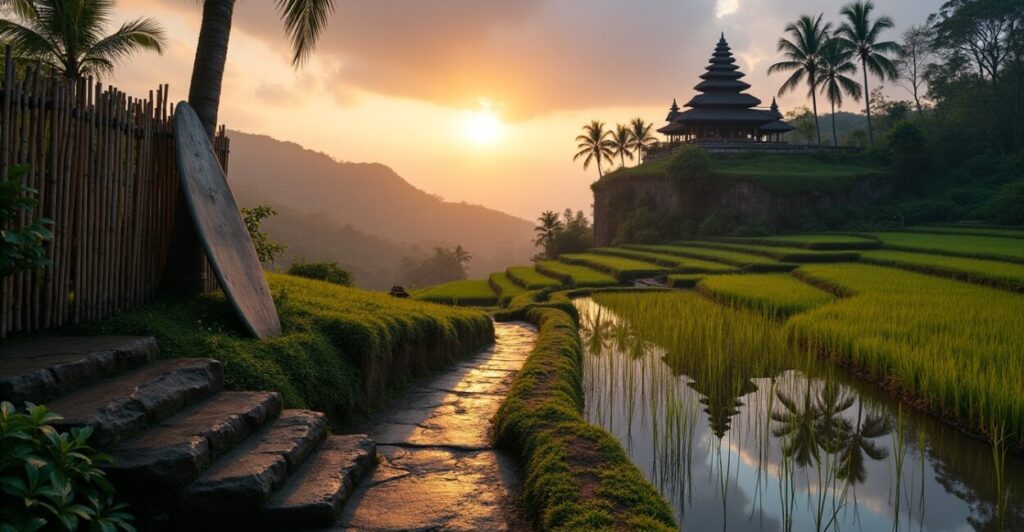
Use foreground subjects—stone steps, rice paddies, or a lone coconut palm—to lead viewers into broad landscape scenes.
Balance human elements like farmers or surfers with vast scenery to convey scale and narrative in your images.
Light, Color, and Mood
2025 trends favor warm golden hours, pastel sunrise palettes, and moody storm-lit coastal scenes for emotional resonance.
Experiment with shadow detail and silhouette contrast to highlight temple architecture and cliff edges against the sky.
Practical Gear and Techniques That Work Best
Essential Camera Kit
A lightweight mirrorless body, wide-angle lens, telephoto, and neutral density filters cover most Bali landscapes scenarios and evolving styles.
Bring a stable tripod for long exposures at Uluwatu and a polarizer to deepen greens at Tegalalang terraces.
Techniques for Crisp, Vivid Shots
Bracket exposures for high dynamic range, use focus stacking for terrace detail, and try slow shutter speeds on crashing waves.
Consider drone footage for new perspectives—always obey local rules and avoid protected temple zones.
| Location | Best Time | Recommended Gear |
|---|---|---|
| Tegalalang | Sunrise to mid-morning | Wide-angle, polarizer, tripod |
| Uluwatu | Late afternoon to sunset | Telephoto, ND filter, handheld stabilizer |
| Waterfall cascades | Early morning | ND filters, tripod, remote shutter |
Practical Planning: Travel, Timing, and Permits
When to Visit
Dry season offers consistent light and clear skies; shoulder seasons can yield dramatic cloud formations and fewer visitors.
Plan sunrise shoots for terraces and sunset sessions for coastal cliffs to maximize dynamic color and mood.
Permits and Local Guidelines
Respect temple rules, drone restrictions, and community photography fees—these maintain access and support local livelihoods.
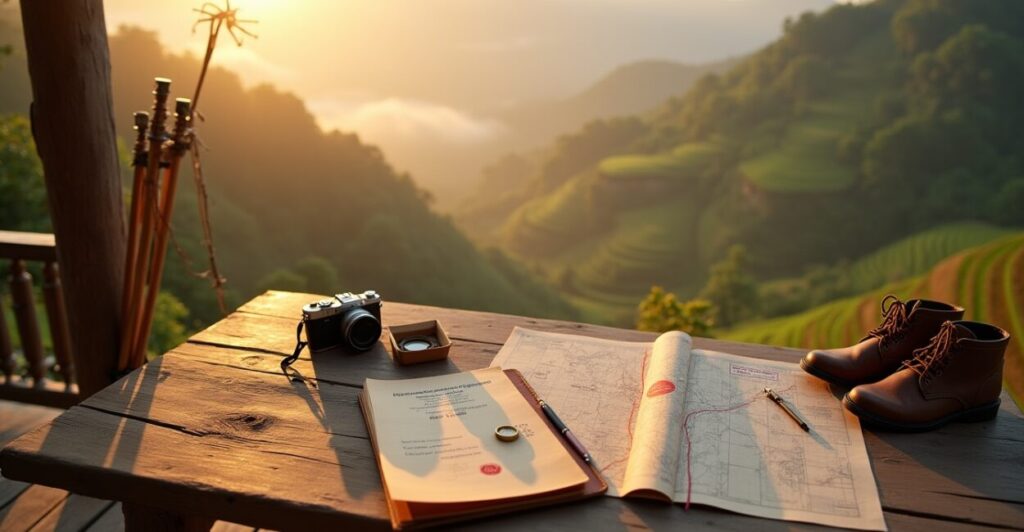
Hire local guides when possible to navigate trails, obtain permissions, and gain cultural context for more meaningful images.
- Research local regulations and drone rules before travel.
- Book guides or drivers who know safe viewpoints.
- Arrive early to secure prime shooting spots.
- Respect private land and offer compensation when appropriate.
Shoot List: Creative Projects and Trending Photo Ideas
Projects to Deepen Your Work
Create a terrace-to-coast series documenting transitions from rice paddies to ocean cliffs with consistent color grading and storytelling.
Explore portrait sessions with local artisans, combining cultural details and sweeping landscapes for editorial depth.
Trending Photo Concepts
Drone panorama mosaics, cinematic long exposures of surf, and intimate macro studies of rice textures are gaining traction in 2025.
Try before-and-after environmental stories showing regenerative farming or coastal erosion to engage audiences ethically.
- Capture a sunrise-to-sunset time-lapse across a single panorama.
- Create a diptych pairing temple architecture with natural vistas.
- Experiment with color grading that enhances natural greens and warm sunsets.
Conclusion: Takeaways and Inspiration
Bali landscapes remain a living canvas—Tegalalang’s terraces and Uluwatu’s cliffs are evolving into new creative hubs for 2025 photographers and travelers.
Embrace respectful exploration, prioritize storytelling, and use the practical tips here to craft images that feel fresh, meaningful, and shareable.
Faq
What Are the Best Months to Photograph Bali Landscapes Like Tegalalang and Uluwatu?
The dry season, typically April through October, offers clear skies, predictable light, and easier access. Shoulder months like April and October often have fewer crowds and dramatic light. For terraces, aim for early morning mist; for Uluwatu cliffs, target golden hour and late afternoon for best coastal color.
Do I Need Permits to Fly a Drone over Bali Landscapes and Temples?
Yes, drone regulations in Bali require registration and respect for no-fly zones near temples, airports, and protected areas. Obtain local permissions where necessary, follow community rules, and hire a local operator if unsure. Responsible drone use protects wildlife and cultural sites while ensuring continued access for filmmakers and photographers.
How Can I Incorporate Local Culture Into Landscape Photos Respectfully?
Engage with residents, ask permission before photographing people, and support local businesses. Include cultural elements—temples, rice farming, ceremonies—while avoiding exploitation. Offer to share images, pay cooperation fees when expected, and learn basic greetings to build trust for more authentic storytelling.
What Gear is Recommended for Shooting Bali’s Diverse Landscapes?
Bring a versatile mirrorless camera, wide-angle and telephoto lenses, ND and polarizing filters, and a sturdy tripod. A compact drone can add fresh perspectives if permitted. Pack rain protection and lightweight gear for hikes; prioritize mobility to catch fleeting light and shifting weather.
Where Can I Learn More About Conservation and Responsible Travel in Bali?
Consult local NGOs, sustainable tourism guides, and government resources to learn about conservation efforts and responsible practices. Partner with community-based tours and read guidelines on minimizing impact. Supporting certified eco-operators boosts local economies while preserving Bali’s landscapes for future generations.
References: For conservation and travel guidance, see the official Bali tourism site Bali Tourism Board and environmental resources from National Geographic.