

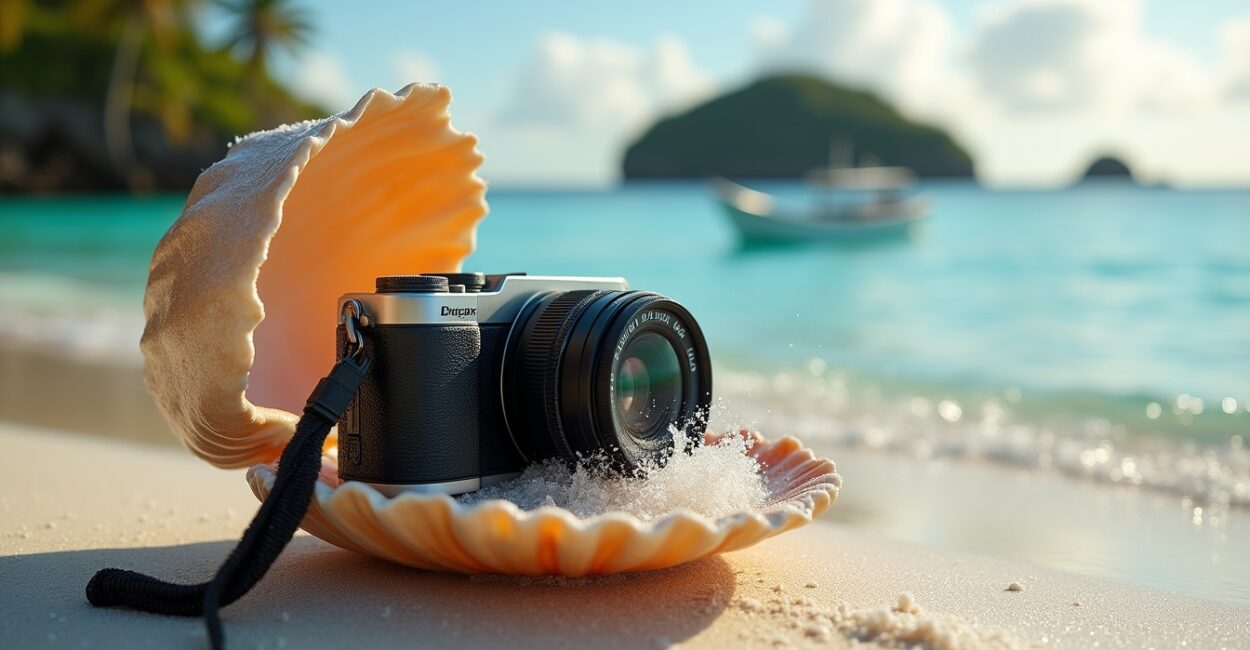
Imagine shooting turquoise waters off Providenciales with a compact, saltproof kit that fits in a daypack and resists spray, sand, and sudden storms. Caribbean gear becomes a promise: freedom to explore, protect gear, and capture cinematic islands without bulky cases.
This guide explains what Caribbean gear works best for islands like Providenciales, why weather-sealed mirrorless cameras and dome ports matter, and exactly how to build a travel-friendly, saltproof kit for beach, boat, and shallow-water shoots.
Essentials: Core Caribbean Gear for Island Shoots
Camera Body and Protection
Choose a weather-sealed mirrorless camera with strong autofocus and good low-light performance for sunrise and golden-hour shots. Prioritize compact, lightweight models that resist humidity and spray.
Pair the body with a neoprene or padded camera sling and silica gel packs to reduce moisture. Caribbean gear reliability comes down to build quality and consistent sealing against salt air.
Must-have Lenses and Filters
Bring a versatile wide-to-standard zoom and a compact tele for wildlife and distant boats. Weather-sealed lenses minimize salt corrosion and keep optics clean longer.
Use polarizers and ND filters to tame glare, enhance water color, and allow slow-shutter effects. Filter quality directly affects contrast and color in tropical scenes.
Compact, Saltproof Housing and Port Options
Dome Ports and Underwater Housings
A dome port improves edge-to-edge sharpness and helps with split-level shots. Choose a low-profile, corrosion-resistant dome for portability and reliable seals.
For shore snorkeling, compact waterproof housings offer quick access and saltproof security. Prioritize housings with clear controls and easy latch systems.
Dry Bags, Rain Covers, and Sealing Tips
Use a rated dry bag for transit and a lightweight rain cover for on-deck work. Velcro or elastic seals help protect ports and lens mounts from spray.
Wipe down gear with fresh water after each shoot and store in breathable cases with desiccants. These small steps prevent long-term salt damage to Caribbean gear.
Accessories That Matter for Caribbean Gear
Stabilization and Mounting
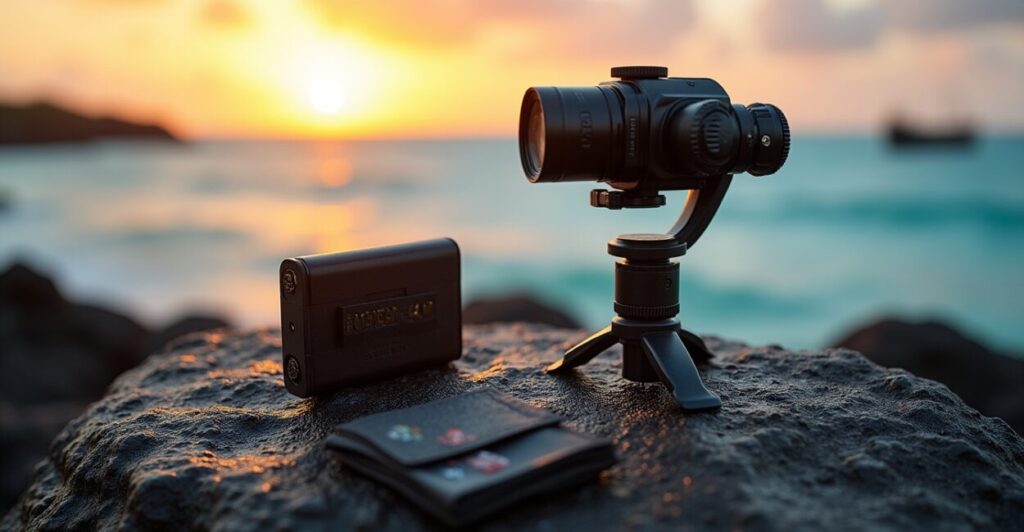
Compact gimbals, mini-tripods, and clamp mounts let you stabilize handshakes and time-lapses on boats and rocks. Corrosion-resistant metals hold up longer in salty air.
Quick-release plates and modular mounting systems speed setup and reduce on-deck fumbling. Fast, secure mounts protect lenses and dome ports during movement.
Power, Storage, and Maintenance
Bring extra batteries and a small USB power bank with pass-through charging. Heat and humidity drain batteries faster than expected in Caribbean conditions.
Use high-end SD or CFexpress cards and a rugged card wallet. Clean contacts gently and rotate cards to avoid data loss while traveling between islands.
How to Pack a Compact Saltproof Kit (step-by-step)
Packing Strategy for Portability
Pack modularly: camera body, a single zoom, and a dome port fit most shoots. Keep essentials accessible in padded compartments for fast changes.
Balance weight between backpack and carry-on to comply with small-boat limits. A compact kit reduces stress and increases shooting opportunities in Providenciales.
Step-by-step Kit Prep
- Dry-wipe all gear to remove salt and sand.
- Place camera and lens in padded dividers inside a compact backpack.
- Seal dome port in a protective sock and store upright.
- Put batteries and cards in a waterproof pouch.
- Attach rain cover and keep silica gel packets close.
Follow this routine before leaving shore to ensure the equipment stays functional and ready for quick dives, boat transfers, or sunrise runs.
Recommended Kit Builds for Different Travelers
Minimalist Travel Photographer
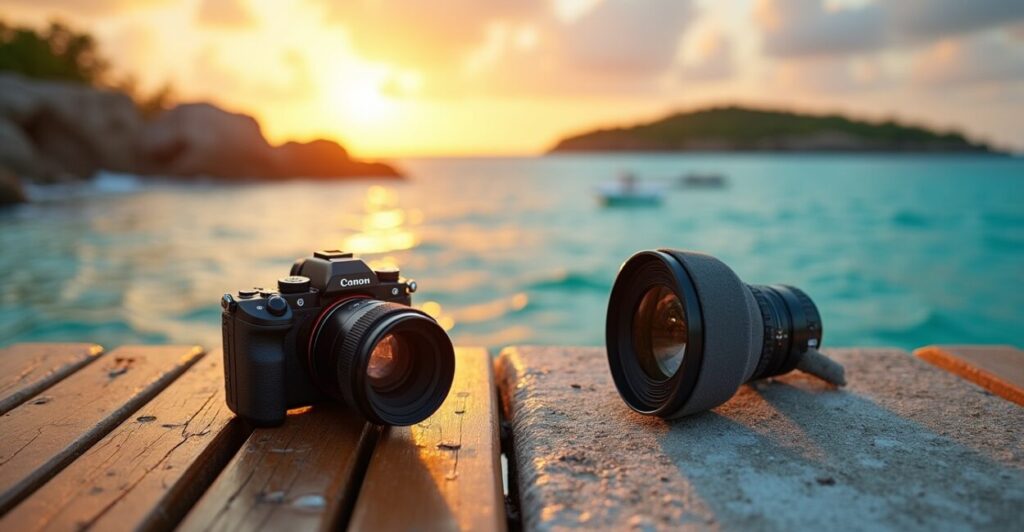
One weather-sealed mirrorless body and a 24-70mm weather-sealed zoom, plus a dome port and small housing, give flexibility without bulk. Minimalism favors mobility and spontaneous shots.
Include a compact gimbal and a single polarizer. This lightweight Caribbean gear setup excels for street-to-shore transitions and quick boat trips around Providenciales.
Hybrid Shooter for Photo and Video
Add a stabilized tele and a dedicated external microphone in a windproof deadcat. Weather-sealed audio solutions cut wind noise during boat interviews or beach vlogs.
Use dual memory card slots and high-capacity batteries for long edits and extended golden hours. Hybrid builds balance image quality and reliable recording in salty environments.
Maintenance Routine to Keep Caribbean Gear Saltproof
Immediate Post-shoot Care
Rinse equipment gently with fresh water after exposure to spray or salt. Open ports and latches to dry naturally; avoid forced heat which can warp seals.
Dry with lint-free cloths and store gear with desiccants in ventilated cases. Regular rinsing and drying extend the life of mirrorless cameras and dome ports.
Long-term Prevention and Servicing
Schedule professional maintenance annually for seals and controls if you shoot frequently in marine environments. Replace worn O-rings and latches proactively.
Lubricate moving parts only with manufacturer-approved products to maintain weather sealing. Proper service keeps Caribbean gear dependable for years.
Best Picks and Resources for Buying Caribbean Gear
Trusted Camera and Port Models
Look for weather-sealed mirrorless bodies from major brands and compact dome ports that match your lens line. Compatibility ensures optical performance in split shots.
Consider proven third-party housings with strong user reviews and reliable customer support. A reputable housing supplier reduces the risk of leaks during island shoots.
Where to Research and Buy
Consult authoritative reviews and local rental houses before purchase; try gear in controlled water conditions first. Research reduces buyer’s remorse and hidden incompatibilities.
Helpful resources include official manufacturer pages and respected retailers. For technical specs and user feedback, check B&H and NOAA coastal weather guidance for shoot planning.
- B&H Photo Video — gear specs, reviews, rentals
- NOAA — weather and marine forecasts for planning shoots
- DPReview — in-depth camera reviews and comparisons
Final note: Caribbean gear and a compact, saltproof kit unlock creative freedom on Providenciales and similar islands. With the right weather-sealed mirrorless camera, dome port, and maintenance routine, you’ll capture vivid seascapes and intimate reef moments without bulky baggage.
Faq
What Makes Gear Truly Saltproof for Caribbean Shoots?
Saltproof gear combines weather-sealed camera bodies, corrosion-resistant housings, and disciplined maintenance. Weather sealing prevents water ingress, while anodized mounts and O-ringed housings resist salt corrosion. Regular freshwater rinses, silica gel storage, and timely professional servicing complete the protection regimen to keep equipment reliable in tropical, saline conditions.
Can I Use a Dome Port with Compact Mirrorless Cameras?
Yes, many dome ports are designed for mirrorless systems and deliver excellent split-level performance. Ensure the dome matches the lens’s front element and flange distance. Properly matched ports reduce vignetting and preserve image quality, making them ideal for island surfline, boat, and reef photography sessions.
Which Lenses Should I Prioritize for Providenciales Photography?
Prioritize a wide-to-standard weather-sealed zoom (24–70mm equivalent) and a compact tele (70–200mm equivalent) if weight allows. A bright prime can boost low-light shots. These lenses balance beach, boat, and snorkeling needs, offering flexibility to capture landscapes, swimmers, and distant wildlife.
How Do I Safely Rinse and Dry My Gear After a Boat Shoot?
Rinse equipment gently with fresh water, holding ports and mounts closed. Remove excess salt with a soft cloth, then open latches to air-dry in shade. Store gear with silica gel in ventilated cases and avoid heat. Proper rinsing prevents salt buildup and prolongs gear life significantly.
Is Renting Caribbean Gear a Practical Option for Short Trips?
Renting weather-sealed cameras, dome ports, and housings can be cost-effective for short trips or testing gear before buying. It reduces luggage and maintenance concerns. Verify rental condition, included accessories, and insurance to ensure you receive reliable, saltproof equipment for island shoots.