

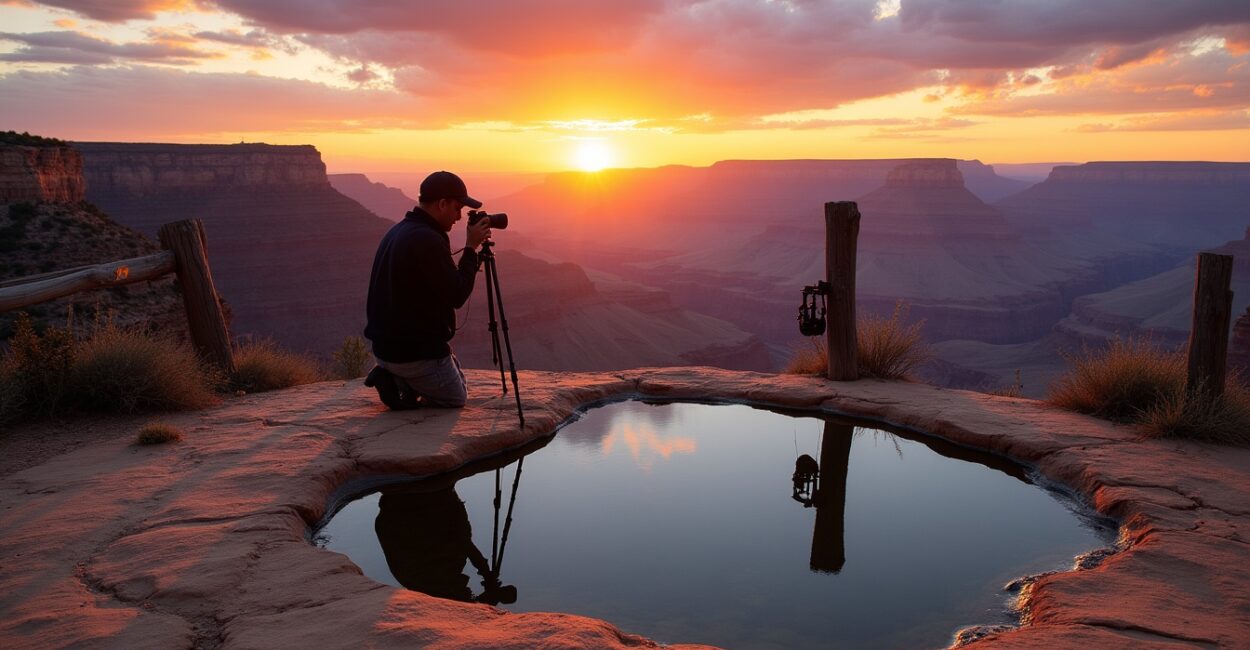
There’s a moment when the sky seems to breathe color—Sunset viewpoints are where that breath becomes a spectacle. Whether you chase Hopi Point’s dramatic hues or a hidden cliff edge, these lookout points transform ordinary evenings into emotional memories.
Right now, seasonal shifts amplify contrast and saturation, making sunset spots essential for photographers, romantics, and anyone craving a palette of golds and purples. This guide highlights the best Sunset viewpoints and how to catch color shifts this season.
Read on to discover proven vantage points, timing tips, gear suggestions, and emotional triggers that turn a simple view into an unforgettable experience.
Choosing the Right Sunset Viewpoints: What Makes a View Unforgettable
Look for panoramic views, unobstructed horizons, and elevation—these factors amplify color gradients across the sky and deepen shadows on landscape features.
Topographic Factors That Matter
Elevation, cliff faces, and water reflections intensify sunsets. A raised lookout brings wider sky, sharper silhouettes, and richer golden hour tones.
Seek ridgelines, headlands, or Hopi Point–style overlooks for dramatic scale and contrast against the glowing horizon.
Environmental Influences on Color
Atmospheric particles, humidity, and seasonal air clarity shift hues between magenta and deep orange. Coastal breezes and desert dust can make skies explode with color.
Check local weather and smoke advisories; the best Sunset viewpoints often depend on clean air and low cloud decks for peak saturation.
Planning Your Visit to Popular Sunset Viewpoints
Timing, access, and safety turn a good viewing into a great one. Plan arrival at least 45–60 minutes before sunset to secure a prime spot and watch the sky evolve.
Logistics and Permits
Research parking, trail difficulty, and any permits. Some lookout points close at dusk or require reservations during peak season.
Confirm open hours and shuttle services where available to avoid surprises and keep your sunset ritual relaxed and secure.
Comfort and Crowd Management
Avoid peak crowds by scouting lesser-known overlooks or arriving on weekdays. Bring layers—temperatures drop quickly after sunset.
Respect space, bring a low-light headlamp, and position yourself to avoid obstructing others while capturing the sky’s transformation.
- Scout access early to beat the crowd.
- Bring a compact chair and warm layers.
- Use silent camera modes to preserve the atmosphere.
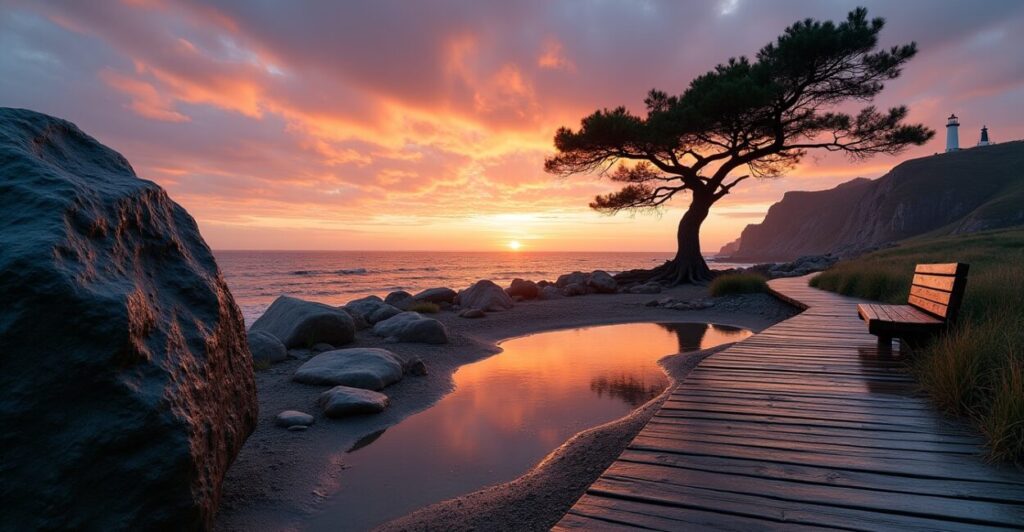
Composition and Photography at Sunset Viewpoints
Strong foregrounds, silhouettes, and leading lines anchor sky drama and create depth in sunset images. Use natural frames like trees, cliffs, or rock outcrops.
Camera Settings for Rich Color
Underexpose slightly to protect highlights and deepen colors. Use a tripod for long exposures and keep ISO low for clarity.
Bracket exposures to capture the full dynamic range and combine with HDR where needed for balanced tones.
Creating Emotional Captures
Include a human element or a distinct landmark to evoke scale and connection. A lone figure against the sky adds narrative and warmth.
Shoot the color shift sequence: pre-sunset, peak color, and post-sunset glow to tell the full emotional arc.
Best Seasonal Sunset Viewpoints and When to Go
Seasonal light quality matters: autumn often brings crisp air and vivid pigments, while summer yields softer, prolonged golden hours over coastal points.
Hopi Point and Other Iconic Overlooks
Hopi Point offers wide-angle horizons and intense color shifts during certain seasons. Arrive early to secure space on the rim.
Combine Hopi Point with lesser-known nearby overlooks to diversify perspectives and avoid crowds at peak times.
Timing by Season and Location
Autumn and winter produce clearer skies inland; coastal zones benefit from summer marine layers that backlight clouds with pastel tones.
Check sunrise/sunset tables and plan for 30–60 minutes before and after official sunset for maximum mood evolution.
| Viewpoint | Best Season | Why it Works |
|---|---|---|
| Hopi Point | Autumn–Winter | Wide horizon, high vantage, dramatic color shifts |
| Coastal Headland | Summer | Water reflections and layered clouds |
| Desert Overlook | Fall | Clear air and intense warm hues |
- Check sunset time and weather forecast.
- Drive to the viewpoint with time to spare.
- Select a foreground or anchor point.
- Set your camera or phone, then observe light changes.
Essential Gear and Apps for Sunset Viewpoints
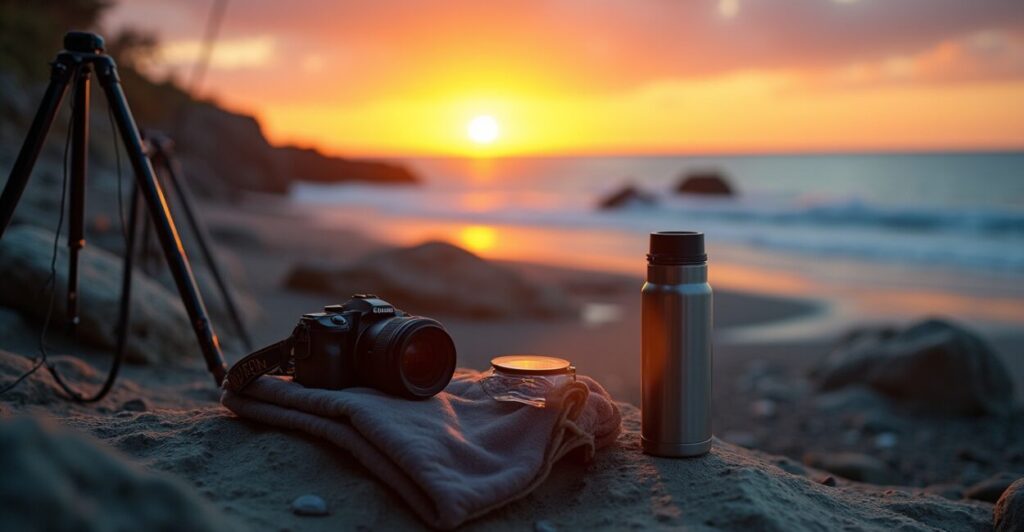
Pack compact essentials: tripod, wide-angle lens, polarizer, and backup batteries. A neutral density filter helps with long exposures as twilight deepens.
Apps That Improve Timing
Use sun-tracking apps to predict golden hour and the sun’s azimuth. Weather apps help anticipate cloud cover that enhances colors.
Set alerts for ‘golden hour’ and use tide charts on coastal viewpoints to plan reflections and foreground interest.
Comfort and Safety Gear
Bring layers, a headlamp, water, and a small first-aid kit. Respect local wildlife and leave no trace after your visit.
A compact blanket and thermos add comfort for longer viewing sessions and make the moment more personal and memorable.
- Tripod and wide lens for stable, dramatic frames.
- Sun tracker and weather app for precise timing.
- Warm clothing and a small light for safe exits.
Local Etiquette and Conservation at Popular Sunset Viewpoints
Protect the landscape by staying on trails, packing out waste, and minimizing light pollution. Responsible behavior preserves views for everyone.
Respectful Photography Practices
Avoid blocking trails or edges for long periods. Yield to others and share vantage points to maintain a calm, communal atmosphere.
Follow park rules, refrain from loud music, and use red-light settings on headlamps to reduce impact after dark.
How to Leave No Trace
Pack out all trash, avoid trampling vegetation, and keep pets under control. Small actions protect fragile ecosystems and vista quality.
Support local conservation with donations, following guidelines, and reporting hazards or rule violations to park authorities.
Conclusion
Sunset viewpoints turn fleeting light into lasting emotion—whether you seek Hopi Point’s legendary views or a quiet coastal headland, preparation deepens the experience. Plan your timing, respect the place, and let the sky tell its seasonal story.
Go early, stay present, and watch how the horizon repaints itself; that moment is why we travel to the best Sunset viewpoints.
Faq
What is the Best Time to Arrive at a Sunset Viewpoints Like Hopi Point?
Arrive 45 to 60 minutes before official sunset to secure a spot, observe pre-sunset color changes, and set up equipment. This allows time for golden hour, scouting foregrounds, and adjusting camera settings to capture the full sequence of hues and silhouettes as light evolves.
How Do Weather and Air Quality Affect Sunset Viewpoints?
Weather and air clarity greatly influence color intensity and visibility. Clear, low-humidity days yield sharp contrasts, while thin clouds and particles can amplify reds and purples. Check air quality and cloud cover forecasts to choose nights with optimal scattering for vivid sunset palettes.
Which Gear is Essential for Capturing Dramatic Sunsets at Lookout Points?
A sturdy tripod, wide-angle lens, and low ISO are essential for crisp, high-dynamic-range images. Bring spare batteries, a polarizer, and an app for sun tracking. These tools help stabilize long exposures, balance highlights, and time shots for peak color moments.
Are There Etiquette Rules I Should Follow at Popular Sunset Viewpoints?
Respect space, avoid obstructing paths, and minimize noise to preserve the experience for others. Stay on designated trails, pack out trash, and use low-impact lighting. Following local guidelines sustains sensitive environments and keeps picturesque viewpoints accessible.
Can I Find Lesser-known Sunset Viewpoints to Avoid Crowds?
Yes—combine map scouting with local forums and social maps to discover tucked-away headlands or ridgelines. Arrive on weekdays, explore secondary overlooks near famous spots, and consider early or late-season visits to enjoy quieter, equally spectacular sunsets.
Further reading and planning resources: National Park Service for park guidelines and hours (nps.gov), and National Geographic for sky and landscape photography tips (nationalgeographic.com).